





The Parking Problem
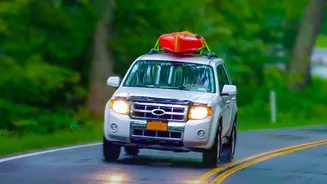
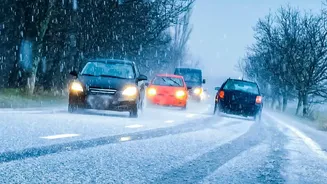
Rain immediately changes the dynamic of any car park. Firstly, driver behaviour shifts. Reduced visibility and slick roads mean people naturally drive slower and more cautiously, increasing the time it takes to navigate aisles. Secondly, the hunt for
a desirable spot intensifies. Covered parking spaces or those closest to an entrance become prime real estate, leading to more circling and waiting. Research shows that while moderate rain can make drivers linger longer, heavy rain may shorten trips. The simple act of getting out of the car becomes a clumsy dance of juggling an umbrella, a bag, and the car door, all while trying to avoid stepping into a newly formed puddle. This chaos is compounded by more people opting to drive instead of walking or cycling, adding to the overall traffic volume in and around parking areas.
Navigating on Foot
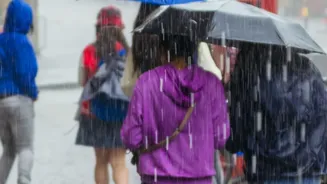
Walking in the rain is a different experience from a dry-weather stroll. Your pace slows as you navigate slippery pavements, avoid large puddles, and deal with the sensory overload of rain. The shortest route may no longer be the best; a slightly longer path with better drainage or some form of cover becomes much more appealing. Then there’s the issue of gear. Fumbling with an umbrella, especially in windy conditions, is a common frustration. To stay dry and efficient, waterproof footwear with good grip is essential to prevent slips and falls on slick surfaces like metal plates or wet leaves. Wearing bright or reflective clothing is also a smart move, as visibility is significantly reduced for drivers, making pedestrian crossings more hazardous. Preparing for your walk by choosing the right gear and planning a safer, albeit potentially longer, route can save you from arriving at your destination drenched and stressed.
The Check-in Cascade
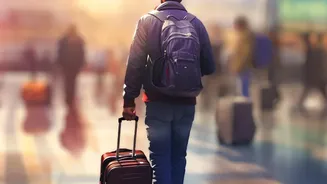
Whether it's for a flight, a hotel, or an event, rain complicates the check-in process. At airports, heavy rain can reduce visibility and make runways slick, prompting air traffic control to increase the distance between planes, which can lead to a cascade of delays. This means your flight might be delayed before you even get to the counter. Inside the terminal, the problems continue. Wet passengers create slippery floors, and the entrance can become a bottleneck as people stop to close umbrellas and shake off raincoats. The whole process, from baggage drop to security, can feel more crowded and chaotic. For hotels or events, similar issues arise. The entrance area becomes congested, and if you have to wait outside, it’s an uncomfortable start to your experience. Using digital check-in options whenever possible is a huge time-saver. Having your documents, like your ID and booking confirmation, ready can also help you move through the line more quickly.
Plan for the Predictable
Since rain is a common occurrence, especially during monsoon season, the best strategy is to plan for its effects. Always allow for extra travel time. If you have an important appointment or a flight to catch, leaving significantly earlier than you would on a sunny day provides a crucial buffer. Pack a dedicated 'rain kit' for your car or bag, including a sturdy umbrella, a lightweight waterproof jacket, and perhaps a waterproof cover for your backpack or laptop bag. Synthetic fabrics are a great choice for clothing as they dry much faster than cotton. Checking the weather forecast isn't just about knowing if it will rain, but where and how heavily. This can help you anticipate which parts of your journey will be most affected. Adopting a proactive mindset and preparing for these predictable delays can turn a potentially frantic day into a manageable one.