






First, Prepare Your Pots
Before you even think about seeds, get your setup right. The biggest challenge during the monsoon is not a lack of water, but too much of it. Ensure every pot or container has at least two or three drainage holes at the bottom to prevent waterlogging,
which can cause roots to rot. For soil, use a light, well-draining mix. A simple combination of equal parts garden soil, cocopeat (which helps with aeration), and compost or vermicompost works wonders. This mixture provides nutrients while preventing the soil from becoming a dense, muddy block.
Bhindi (Okra)
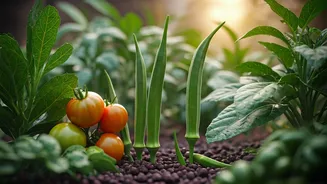
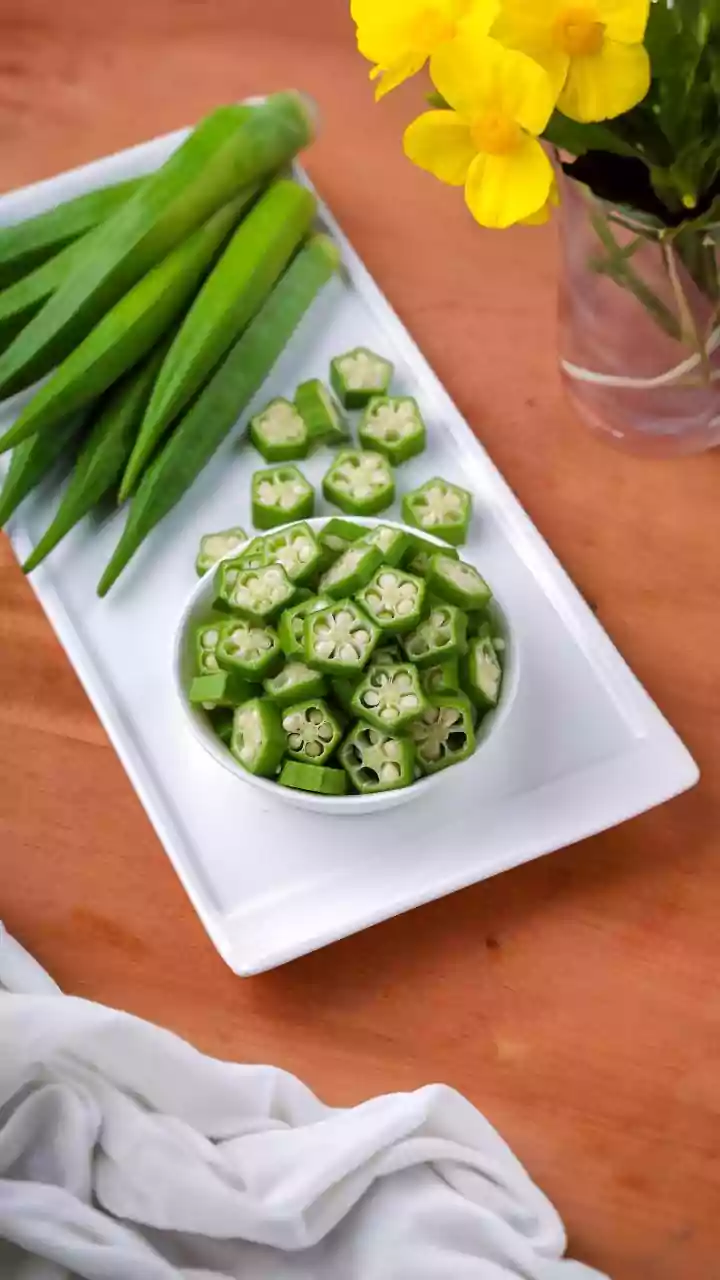
A beloved Indian vegetable, Bhindi (or Lady's Finger) thrives in the warm and humid conditions of the monsoon. It's a relatively fuss-free plant that is perfect for beginners. Plant the seeds directly into a medium-to-large container (at least 10-12 inches deep) as they don't like being transplanted. Give them a spot that receives around 5-6 hours of sunlight. You’ll see the first flowers appear in about 45 days, and soon after, you'll be harvesting your own tender bhindi for sambar or a simple stir-fry. They are prolific producers, so a few plants can give you a steady supply.
Leafy Greens (Palak, Chaulai)
Leafy greens like Palak (Spinach) and Chaulai (Amaranth) are fantastic choices for monsoon gardening because they grow incredibly fast. You can have a harvest in as little as 30-40 days. They don’t require deep pots, so even rectangular planters on a windowsill will work. The key is to provide them with good drainage and to avoid overhead watering, which can cause fungal issues on the leaves. Water the soil directly. One of the best parts about growing leafy greens is that you can practice the ‘cut and come again’ method—harvest the outer leaves and allow the inner core to keep producing more.
Gourds (Lauki, Turai)
If you have a bit more space, like a larger balcony with a trellis or railing, growing gourds like Lauki (Bottle Gourd) or Turai (Ridge Gourd) can be incredibly rewarding. These are vigorous climbers that love the monsoon moisture. It's best to start them from seed in a large pot or grow bag (at least 15-20 inches). As the vine grows, you'll need to provide it with support to climb. Seeing a gourd develop and grow bigger each day is one of the great joys of gardening, and a single plant can produce a surprising number of vegetables.
Brinjal (Baingan)
A staple in kitchens across India, the brinjal plant is a hardy perennial that does very well when planted during the monsoon. While you can grow them from seed, beginners often find it easier to buy a small, healthy sapling from a local nursery. Plant it in a large container with plenty of sunlight. Brinjals are heavy feeders, so make sure your soil is rich with compost. Protect the young plant from very heavy downpours for the first couple of weeks. Soon, you'll be rewarded with beautiful purple flowers, followed by your very own homegrown baingan for the perfect bharta.
Green Chillies (Hari Mirch)
No Indian kitchen garden is complete without a chilli plant. Monsoon is an excellent time to plant them, as they flourish in the humid climate. You can easily grow chillies in a medium-sized pot on your balcony. Like brinjals, starting with a sapling from a nursery is a great shortcut to success. Ensure the pot has good drainage and the plant gets a few hours of sun. A single, healthy plant can provide you with a regular supply of fresh, pungent chillies for all your cooking needs, saving you many trips to the sabzi-wala.