


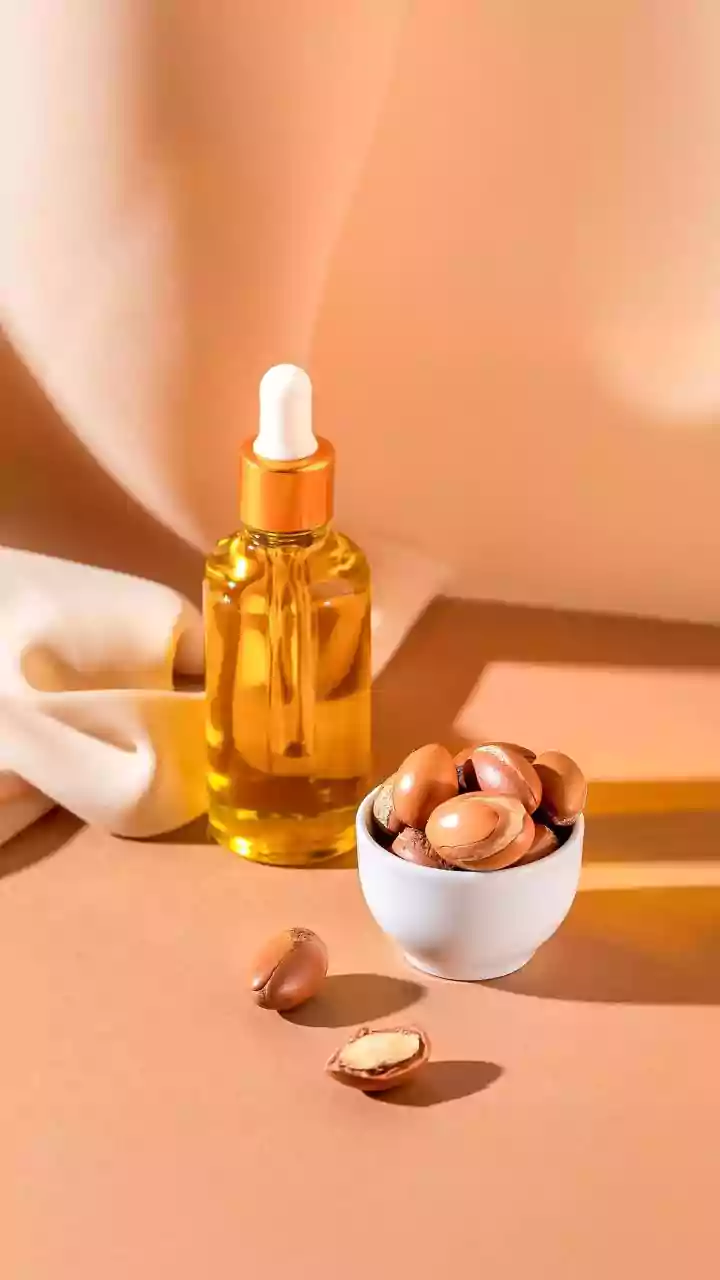





The Comeback Kid of Haircare
The classic habit storming back into our routines is none other than hair oiling. For generations of Indians, it was an non-negotiable part of haircare, but somewhere along the way, it got sidelined for quicker, chemically-driven solutions. Now, it’s
back with a vengeance. Scroll through Instagram or TikTok, and you’ll find a new generation of beauty influencers and wellness advocates—both in India and abroad—extolling the virtues of this ancient practice. Brands are launching chic, modern versions of traditional hair oils, and 'slugging' your hair with oil overnight has become a viral trend. This resurgence isn't just about reviving an old method; it’s about reclaiming a ritual that connects self-care with tangible results, proving that sometimes the oldest secrets are the most effective.
More Than Just Nostalgia
So why now? The return of hair oiling is deeply connected to a larger shift in our approach to beauty and wellness. After years of complicated 10-step routines and harsh chemical treatments, there's a collective desire for simplicity, authenticity, and natural ingredients. We are increasingly wary of long, unpronounceable ingredient lists and are turning towards 'clean' and 'slow' beauty. Hair oiling fits perfectly into this philosophy. It’s a minimalist practice with maximum impact. The ritual itself—the act of massaging the oil into your scalp—is a mindful, meditative practice that helps reduce stress. It forces you to slow down and connect with your body. In a world that constantly demands our attention, this simple act of self-care feels like a radical act of reclamation.
The Science Behind the Shine
While the ritual is soothing, the benefits are backed by science. Hair is primarily made of protein, and everyday activities like washing, styling, and exposure to pollution can lead to protein loss, making hair weak and brittle. Certain oils, particularly coconut oil, are rich in lauric acid, which has a unique ability to penetrate the hair shaft and prevent this protein loss. Oiling also forms a protective barrier around the hair cuticle, locking in moisture, reducing frizz, and increasing shine. Massaging the scalp stimulates blood circulation, which can promote healthier hair growth by delivering more nutrients to the follicles. Different oils offer different benefits: amla is rich in Vitamin C and antioxidants, almond oil is a great source of Vitamin E for softness, and castor oil is famed for its potential to support hair thickness.
Your Guide to the Perfect 'Champi'
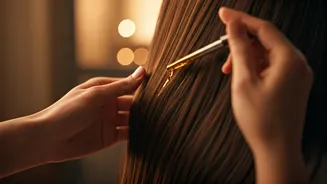
Ready to incorporate this ritual into your routine? It’s simple. Start by choosing an oil suited to your hair concerns. You can use a single oil like coconut or almond, or a blend. Gently warm a few tablespoons of oil—it shouldn't be hot, just comfortably warm to the touch. Part your hair and apply the oil directly to your scalp using your fingertips or a cotton ball. Once your scalp is covered, begin massaging in gentle, circular motions for 5-10 minutes to boost circulation and aid absorption. Next, work the remaining oil through the lengths of your hair, paying special attention to the dry ends. You can leave the oil on as little as 30 minutes before washing, or for a deep conditioning treatment, leave it on overnight (protect your pillow with a towel or an old t-shirt). To wash it out, apply shampoo to your dry, oiled hair first, lather it up, and then add water. This helps break down the oil more effectively. You may need to shampoo twice.
Common Mistakes to Avoid
While hair oiling is beneficial, a few common missteps can prevent you from getting the best results. First, more is not always better. Using too much oil can make your hair greasy and weigh it down, forcing you to use harsh shampoos to get it out, which defeats the purpose. A few tablespoons are usually enough. Second, don't leave the oil in for days. For those with oily or acne-prone skin, leaving oil on the scalp for too long can potentially clog pores or lead to dandruff. An hour before washing or an overnight treatment once a week is a good starting point. Finally, avoid vigorous rubbing. A gentle massage is all you need; aggressive rubbing can cause hair breakage. The goal is to nourish and soothe, not to scrub.