


From Ancient Ritual to Cafe Staple
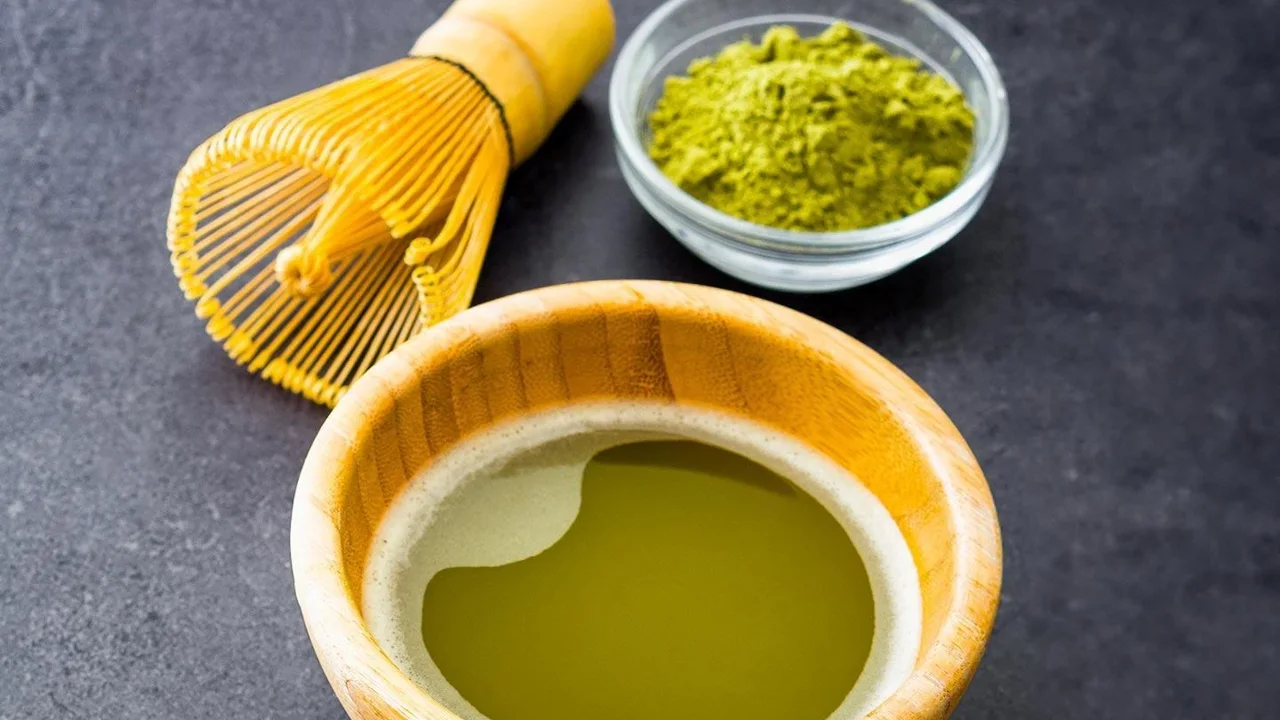
Matcha, a finely ground powder of specially grown green tea leaves, has been central to Japanese tea ceremonies for centuries. Unlike regular tea, where you discard the leaves, with matcha you consume the entire leaf, getting a concentrated dose of its
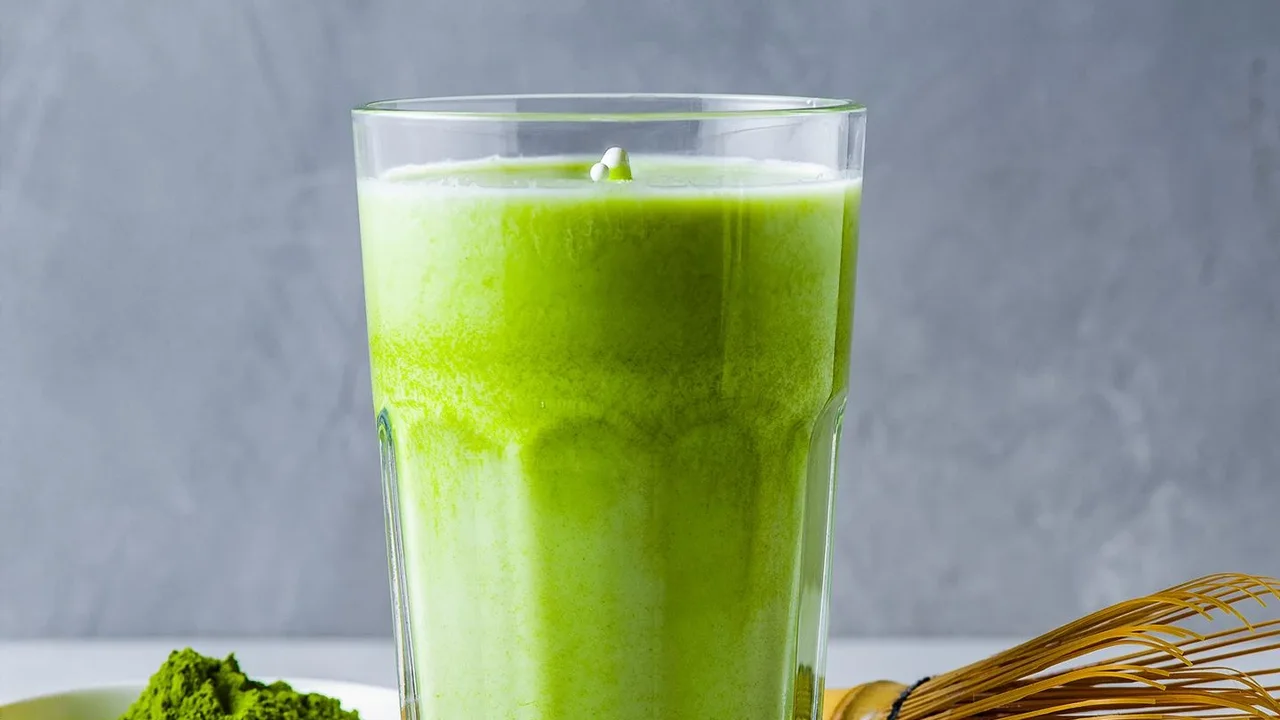
nutrients. Its recent surge in global and Indian popularity is driven by a blend of factors: its reputation as a health superfood, its aesthetic appeal on social media, and a growing curiosity for global food trends among urban millennials and Gen Z. In cities like Mumbai, Delhi, and Bengaluru, matcha has moved from a niche import to a must-have on cafe menus, with its market in India growing at nearly double the pace of the broader tea market.
The Sweet Revolution Beyond the Cake
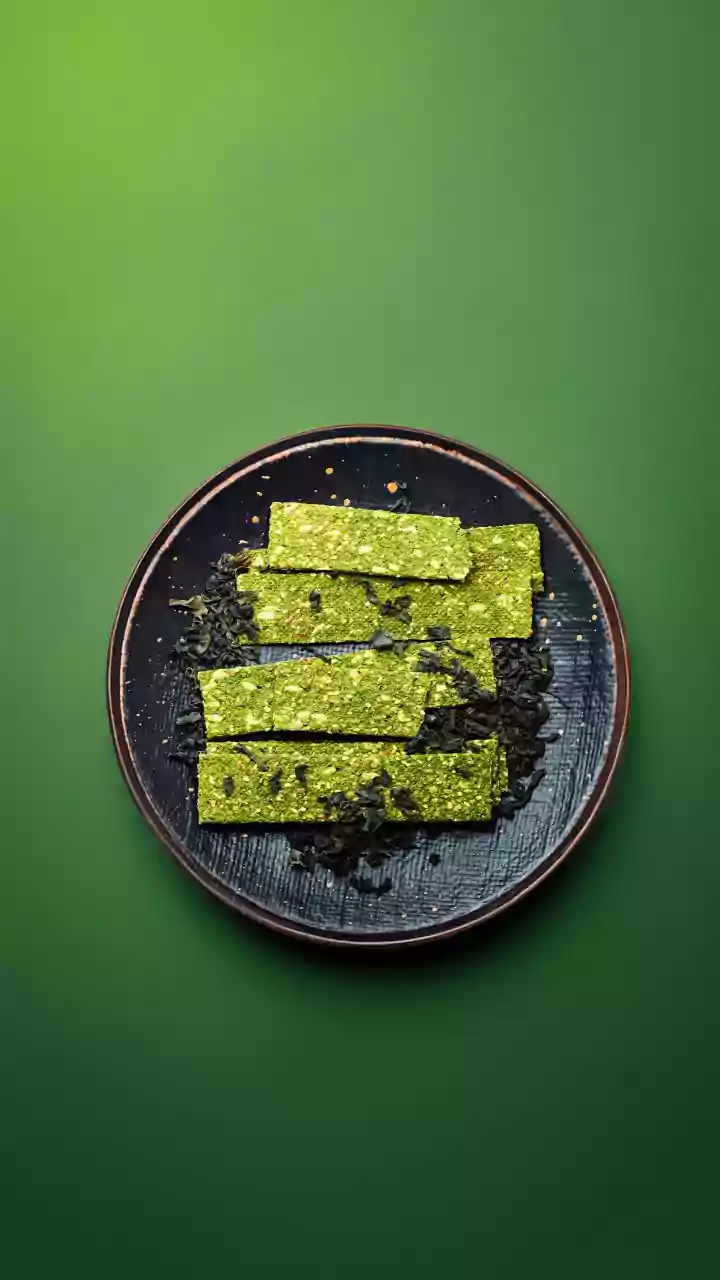
While matcha lattes, ice cream, and cheesecakes are now common sightings, the dessert world's experimentation is getting bolder. Chefs and bakers are pairing matcha with complementary flavours in inventive ways. Imagine delicate matcha crêpes, matcha and white chocolate bark, or tiramisu where the coffee is swapped for the earthy green powder. In India, local tastes are inspiring fusion creations like matcha-infused kulfi or laddoos. The slightly bitter, complex flavour of matcha provides a perfect counterbalance to sweetness, leading to sophisticated desserts like matcha panna cotta, pavlova, and even doughnuts. These creations aren't just novel; they offer a more complex and less sugary dessert experience.
Matcha's Unexpected Savoury Side
Perhaps the most surprising frontier for matcha is in savoury cooking. Its unique flavour profile, characterized by 'umami'—the fifth taste that imparts a savoury depth—makes it a surprisingly versatile ingredient in the main course. Chefs are using it to add an earthy note and stunning colour to everything from pasta dough and gnocchi to creamy sauces. You can find matcha used as a rub for fish, mixed into salt to sprinkle over tempura or popcorn, or whisked into salad dressings for a zesty, complex flavour. Some adventurous kitchens have even experimented with matcha in ramen broth, naan bread, and as a seasoning for fried chicken, proving its potential goes far beyond beverages.
Why The Green Powder Works Everywhere
Matcha's success as an experimental ingredient lies in its complexity. Its flavour is a delicate balance of earthy, grassy notes, a subtle sweetness, and that foundational umami bitterness. This allows it to either cut through richness, as in a creamy dessert, or enhance savoury notes, as in a marinade or sauce. Its powdered form makes it easy to incorporate into batters, doughs, sauces, and spice rubs without altering texture significantly. Furthermore, its brilliant green colour is a visual magnet, making any dish instantly more appealing and 'Instagrammable'—a key driver in today's food culture.