








The Flaw in the 'Eat Less' Approach
For decades, the simple advice for weight management has been to eat less and move more. While a calorie deficit is necessary for weight loss, a strategy of pure restriction often backfires. When you drastically cut calories without considering the nutritional
makeup of your food, your body's survival instincts can kick in. This may slow your metabolism and increase the production of ghrelin, the 'hunger hormone,' making you feel even hungrier. This combination of a slower metabolism and intense hunger can lead to rebound overeating and a constant focus on food, setting up a cycle of failure and frustration. The real key isn't just eating fewer calories, but getting more satisfaction from the calories you do consume.
The Power Trio: Protein, Fibre, and Fat
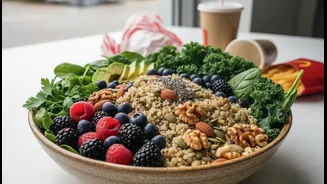
The feeling of fullness is largely controlled by the interaction of three key nutrients: protein, fibre, and healthy fats. Each plays a distinct role in signaling to your brain that you've had enough. Protein is widely considered the most satiating macronutrient. It takes longer to digest and has been shown to influence the release of hormones that suppress appetite. Fibre, found in vegetables, fruits, and whole grains, adds bulk to your meals without adding significant calories. Soluble fibre, in particular, slows down digestion and can help stabilize blood sugar levels, preventing the sharp spikes and crashes that lead to cravings. Finally, healthy fats, like those in avocado, nuts, and olive oil, also slow stomach emptying, contributing to a longer-lasting feeling of satisfaction.
Working With Your Hunger Hormones
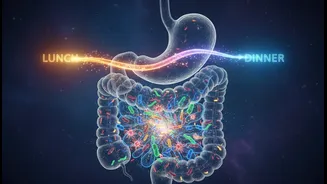
Your appetite is regulated by a complex system of hormones. The two most well-known are ghrelin, which signals hunger, and leptin, which signals fullness. A balanced meal helps keep this system in check. When you eat a meal rich in protein and fibre, it helps suppress ghrelin and stimulates the release of other satiety hormones like PYY and GLP-1 from your gut. These hormones travel to your brain, telling it you're full and satisfied. In contrast, highly processed foods and sugary snacks can cause a rapid but short-lived feeling of fullness, leading to a quick return of hunger as your hormonal signals get thrown off balance.
How to Build a Satiety-Focused Plate
Building a balanced, satisfying meal doesn't require complicated calculations. A simple visual method known as the 'plate method' is highly effective. Aim to fill half of your plate with non-starchy vegetables (like broccoli, leafy greens, or bell peppers) for fibre and volume. Dedicate one-quarter of your plate to a lean protein source, such as chicken, fish, eggs, tofu, or legumes like lentils and beans. The final quarter should be reserved for whole-grain carbohydrates—think brown rice, quinoa, or whole-wheat bread—which provide sustained energy and additional fibre. A small amount of healthy fat can be added as a topping, like a drizzle of olive oil or a sprinkle of seeds. Studies have identified certain foods as being particularly filling; boiled potatoes, fish, and oatmeal consistently rank high on the Satiety Index, a scale that measures how filling different foods are.
Beyond the Food: The Role of Mindful Eating
What you eat is crucial, but how you eat also matters. The practice of mindful eating—paying full attention to your food without distraction—can significantly enhance satiety. It takes approximately 20 minutes for your stomach to send fullness signals to your brain. Eating slowly gives your body the time it needs to recognize these signals, which can help prevent overeating. By savouring the textures and flavours of your meal, you not only increase your enjoyment but also improve your ability to listen to your body's natural hunger and fullness cues. Turning off the TV and putting your phone away allows you to be present, making the meal more satisfying and helping you recognise when you are comfortably full.