



The Myth of Perfect Prep
For many home cooks, the idea of ‘mise en place’ — a French term for having all your ingredients prepped and ready before you start cooking — can feel like a professional standard to aspire to. We see chefs on television with their neat rows of chopped
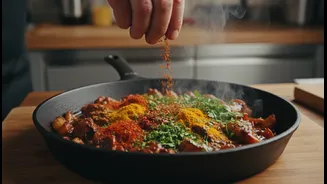
onions, measured spices, and portioned liquids, and we believe that this is the key to culinary success. While being organised is certainly helpful, this intense focus on preparation can be stressful and time-consuming. It can make a simple weeknight dinner feel like a monumental task. The truth is, while prepping ingredients is a fundamental part of cooking, the final moments before a dish is served often hold far more power to create flavour, aroma, and texture. Focusing your energy here can yield a much greater return on your effort.
The Science of the Finish
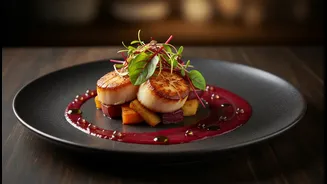
So why is the finish so crucial? It comes down to chemistry and sensory perception. Many of the most appealing aromas in food come from volatile compounds that dissipate quickly when heated. Adding delicate, fresh herbs at the end of cooking preserves these fragile compounds, delivering a burst of freshness that would be lost if they were added at the beginning. Similarly, a final drizzle of high-quality oil adds richness and can carry fat-soluble flavours, while a sprinkle of flaky salt provides a textural crunch and a concentrated burst of salinity that's very different from salt cooked into the dish. Professional chefs understand this principle; it's their secret to making restaurant food taste so vibrant and complete. It's less about the long simmer and more about the final, thoughtful flourish.
Your Finishing Toolkit: Brighten with Acid
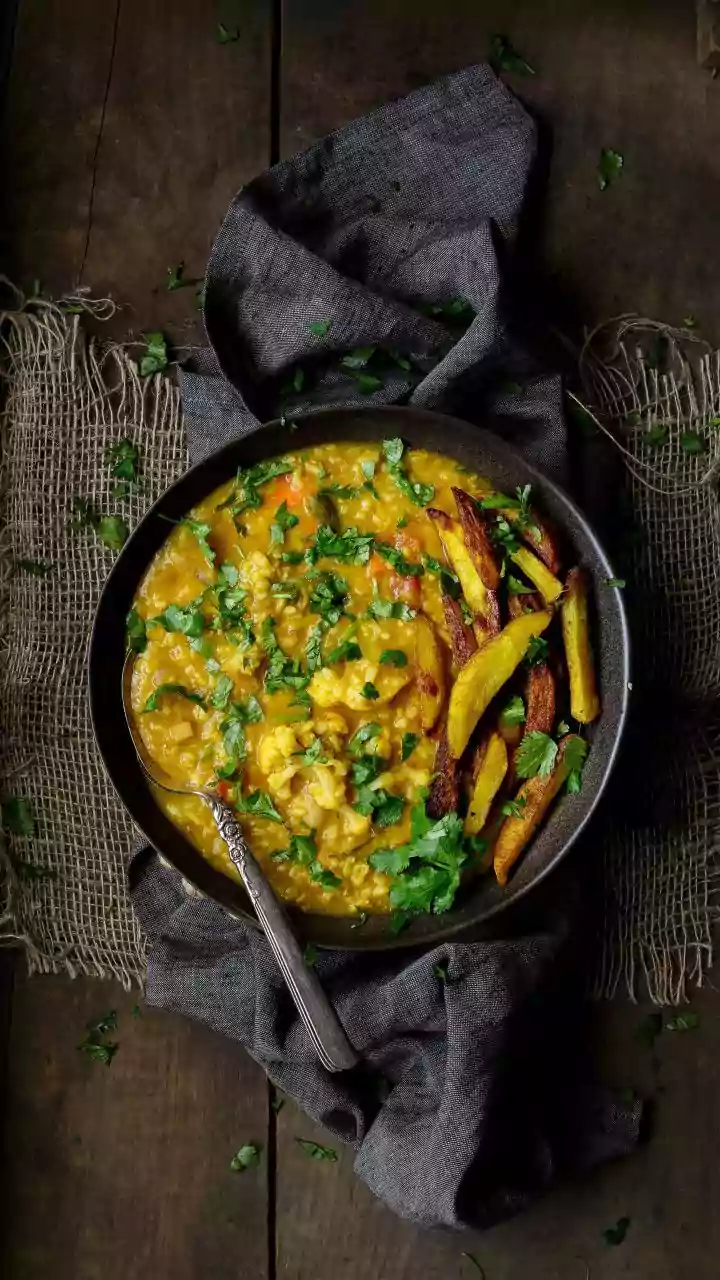
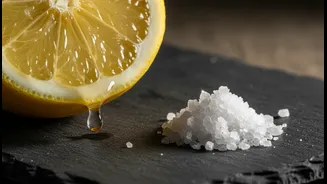
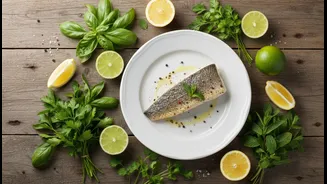
If your dish tastes flat or heavy, it almost always needs a touch of acid. Acid acts like a spotlight, cutting through richness and making all the other flavours in the dish taste more like themselves. A squeeze of lemon or lime over grilled fish, roasted vegetables, or a simple dal is transformative. A splash of vinegar can awaken a long-simmered stew or a creamy sauce. Even a dollop of yogurt or a spoonful of sauerkraut can provide the acidic lift a meal needs. In Indian cooking, this is a well-understood principle, seen in the use of tamarind, amchoor (dry mango powder), or a final squeeze of lime. Keep lemons, limes, and a good bottle of vinegar on hand; they are some of the most powerful tools in your kitchen.
Your Finishing Toolkit: Fresh Aromatics
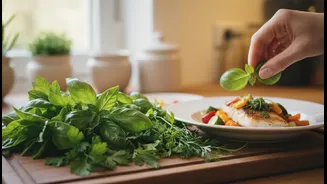
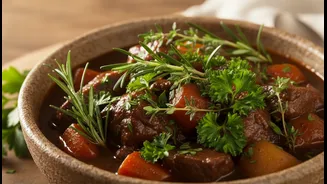
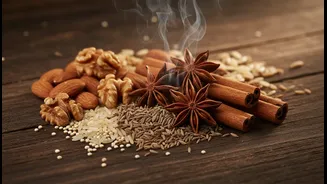
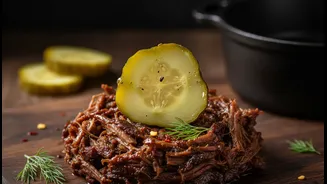
There's a significant difference between hardy herbs like rosemary and thyme, which can withstand long cooking times, and tender herbs like coriander, mint, parsley, and basil. These delicate herbs should be treated as finishing ingredients, added in the last minute or simply sprinkled on top just before serving. Their vibrant colour and fresh, potent flavour are lost with prolonged heat. Think of the shower of fresh coriander on a curry, the torn basil leaves on a pizza, or the chopped mint in a raita. Another powerful aromatic finish is the tadka or chaunk — whole spices bloomed in hot ghee or oil and poured over a dish at the end. This technique releases a final, intense layer of aroma and flavour that defines many Indian dishes.
Your Finishing Toolkit: Texture and Richness
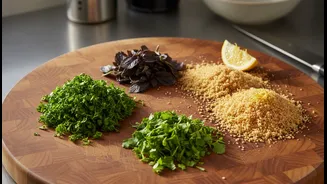
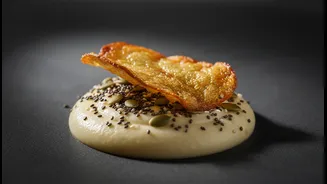
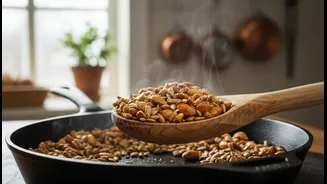
A great dish is not just about taste; it's about texture. The final touch is the perfect opportunity to add contrast. A creamy soup becomes far more interesting with the crunch of toasted nuts, seeds, or crispy fried onions. A simple plate of pasta can be elevated with the crunchy texture of flaky sea salt and freshly cracked black pepper. Richness can be added at the end, too. A drizzle of a high-quality extra-virgin olive oil, a swirl of cold butter into a sauce, or a dollop of cream can give a dish a luxurious, velvety finish and a beautiful sheen. These additions provide a final layer of satisfaction that makes a meal feel complete and special.