


The Old Rules of Rainwear
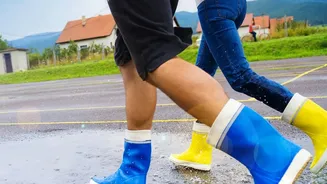
For years, monsoon footwear in India followed a simple, unwritten rule: protect your good shoes by wearing a 'monsoon pair'. This usually meant cheap rubber flip-flops, flimsy plastic sandals, or those old sneakers you didn't mind ruining. The priority
was pure survival. Functionality was limited to being waterproof, and style was an afterthought. The goal was to get from point A to point B with your feet somewhat protected from the muck and grime of waterlogged streets. These shoes were disposable, often lasting just one season before cracking, losing their grip, or becoming a source of unpleasant odours. Materials like basic canvas or faux leather that couldn't handle moisture were a strict no-go.
The 2026 Shift: Style Meets Substance
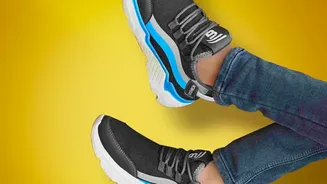
The 2026 monsoon season marks a clear departure from this disposable mindset. The new shift is driven by a demand for footwear that is not just waterproof, but also stylish, comfortable, and multi-functional. Consumers no longer want a separate, unattractive pair of shoes for the rain; they want their everyday footwear to be monsoon-ready. This change is powered by innovations in materials and design, with brands offering everything from sleek, waterproof sneakers to chic, chunky loafers that can withstand a downpour. The focus is on durability and versatility – shoes that look just as good in the office or at a cafe as they do navigating a rain-slicked pavement. This evolution means you no longer have to choose between keeping your feet dry and looking good.
The New Guard: Clogs, Loafers, and Sneakers
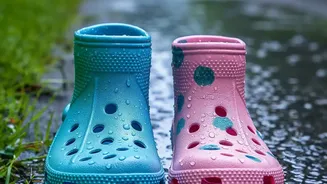
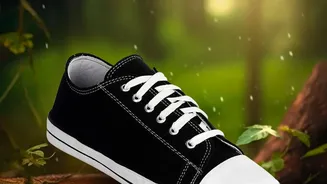
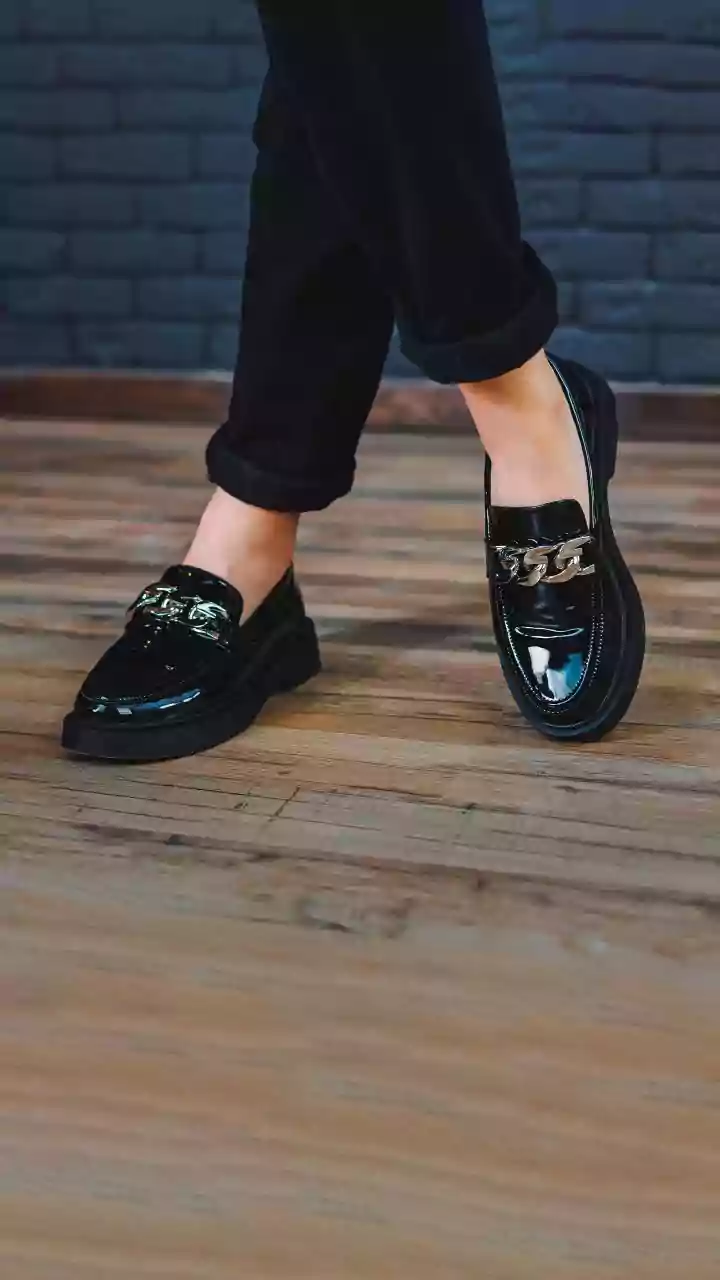
Leading the charge in this new era are a few key styles. Clogs, once a purely utilitarian choice, have been redesigned with cleaner shapes and fashionable colours, making them a trendy favourite. Made from lightweight, easy-to-clean EVA or proprietary materials like Croslite, they offer all-day comfort and excellent ventilation. Waterproof sneakers and loafers are another major trend. Using synthetic uppers, sealed seams, and high-grip rubber soles, these shoes provide the look of a classic sneaker or formal shoe with full monsoon functionality. They offer the structure and support that open sandals lack, making them ideal for long commutes. Even sandals have been upgraded, with many featuring quick-drying materials and ergonomic designs with better grip.
Material World: Beyond Basic Rubber
This footwear revolution is built on advanced materials. While rubber remains a top choice for its excellent grip and waterproof nature, the star players now are materials like EVA (ethylene vinyl acetate) and PVC. These are incredibly lightweight, flexible, and easy to mould into sophisticated designs. Brands are also getting creative with water-resistant treated leathers and patented synthetics that repel water effectively. On the sustainable front, there's a growing movement towards using recycled materials. Brands like Paaduks and Neeman's are pioneering footwear made from up-cycled rubber tyres, recycled PET bottles, and other eco-friendly materials, proving that you can be both rain-ready and planet-friendly.
Making Your Choice and Keeping it Fresh
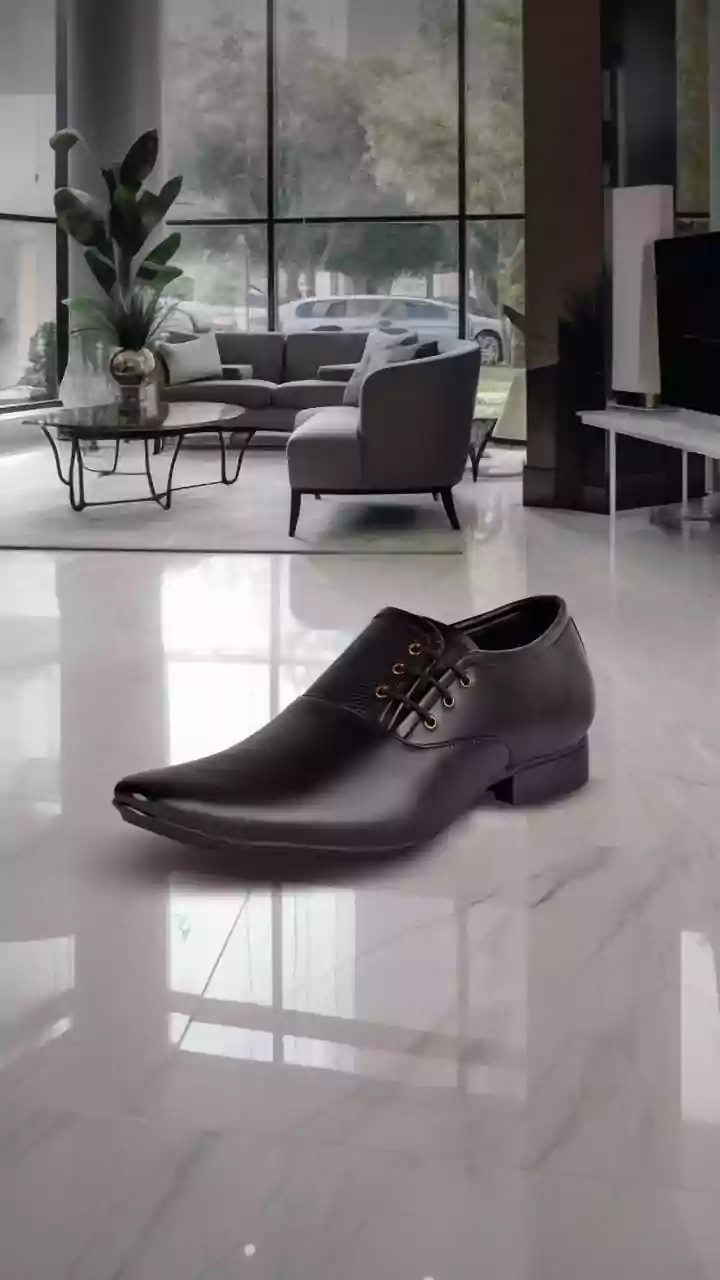
Choosing the right monsoon shoe in 2026 depends on your lifestyle. If you face heavy waterlogging, a pair of modern clogs or high-ankled waterproof boots might be best. For office-goers, waterproof loafers or patent leather shoes with a chunky sole offer a polished look that can handle damp conditions. For daily travel and casual wear, a pair of stylish waterproof sneakers is a versatile choice. Regardless of your choice, proper care is crucial. Always allow your footwear to dry completely in an airy spot, away from direct sunlight, to prevent fungal growth and odours. Stuffing them with newspaper can help absorb excess moisture. Rotating between two pairs is the best way to ensure each one has enough time to dry out completely.