




Artificial intelligence is reshaping the wellness industry, offering personalised meal plans and 24/7 tracking. Yet, a recent McKinsey report reveals a crucial insight: AI hasn't replaced the human touch, and may not for a long time.
The Promise and Limits of AI
AI has been widely
adopted in the wellness sector, with over half of consumers using it for everything from recipe suggestions and meal planning to symptom checking. These tools are powerful; they can analyse vast amounts of data, track progress, and provide immediate feedback at a lower cost than human coaches. The global wellness market itself is massive, estimated at over $2.7 trillion, and AI is seen as a key driver of its future. However, the same McKinsey report that highlights this adoption also uncovers a deep-seated paradox. While users are curious about AI, they don't fully trust it. In the US, 40% of consumers worry that AI's advice might be inaccurate. This trust deficit reveals the core of why algorithms have not made human experts obsolete.
The Irreplaceable Empathy Gap
Wellness is a deeply personal journey, often involving vulnerability, fear, and emotional breakthroughs. This is where AI falls short. An algorithm can process data, but it cannot create a genuine bond or demonstrate empathy. Human coaches excel at reading non-verbal cues—a hesitation in the voice, a shift in facial expression—that reveal what a person truly feels but may not say. This 'working alliance', the relationship built on trust and a genuine bond between coach and client, is consistently shown by research to be the single biggest driver of sustainable behaviour change. An AI chatbot can provide information, but it cannot hold a safe space for a client, witness their struggle, or help them find their own courage. Many people seeking wellness support aren't just looking for information; they are looking for connection.
Accountability and the Power of 'No'
When it comes to purchasing decisions in wellness, consumers are still guided by people. According to McKinsey's findings, 35% of US consumers cite friends and family as a key influence, and 30% point to healthcare practitioners. In stark contrast, only 8% cited AI chatbots. This extends to accountability. A human coach provides more than just reminders; they provide a vision for the future and serve as a witness to a person's journey. Furthermore, a human coach can see a client's blind spots. A user might tell an AI they are tired, but a coach might discern they are actually afraid of failure. A coach also has the critical ability to say 'no'—to tell a client they are not ready for a certain step or to challenge a self-defeating belief. An AI is programmed to be helpful and responsive, but it lacks the judgment to push back or provide tough love when needed.
A Hybrid Future: Augmenting, Not Replacing
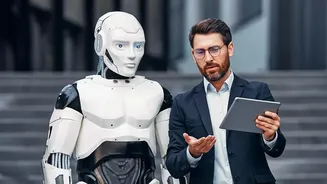
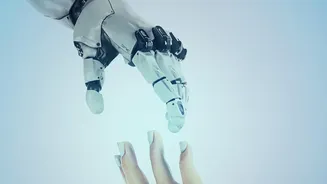
The conclusion from the report and industry experts is not that AI is useless, but that its role is fundamentally misunderstood. AI is not a replacement for human experts but rather a powerful tool to augment them. For consumers, AI can be a starting point for research or a way to make sense of a diagnosis they have already received from a doctor. For coaches and clinicians, AI can handle administrative work, summarise session notes, track data, and generate options, freeing up the human expert to focus on what they do best: building relationships, providing nuanced guidance, and fostering transformation. Hybrid models that combine AI tools with human coaching consistently show higher user retention and better outcomes than AI-only approaches. The future of wellness isn't a battle between human and machine, but a collaboration where technology handles the data, and humans provide the meaning.