






The Enduring Taste of Tradition
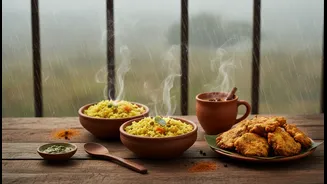
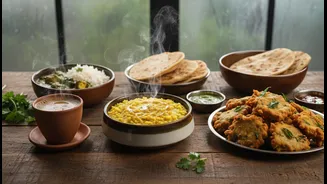
The classic monsoon food pairing is practically encoded in our DNA: hot, deep-fried snacks served with steaming ginger tea. There's a reason we crave dishes like pakoras, samosas, and bhutta (roasted corn) the moment the sky turns grey. Traditional wisdom,
including Ayurveda, suggests that the damp, cool weather weakens our digestive fire. Warm, freshly prepared, and easily digestible meals are recommended. Hot, comforting foods like khichdi, rich soups like tomato rasam, and freshly made parathas are staples that provide warmth and comfort. This craving is not just physiological; it's deeply emotional, tied to memories of family, home, and the simple joy of watching the rain.
The Rise of the Health-Conscious Eater
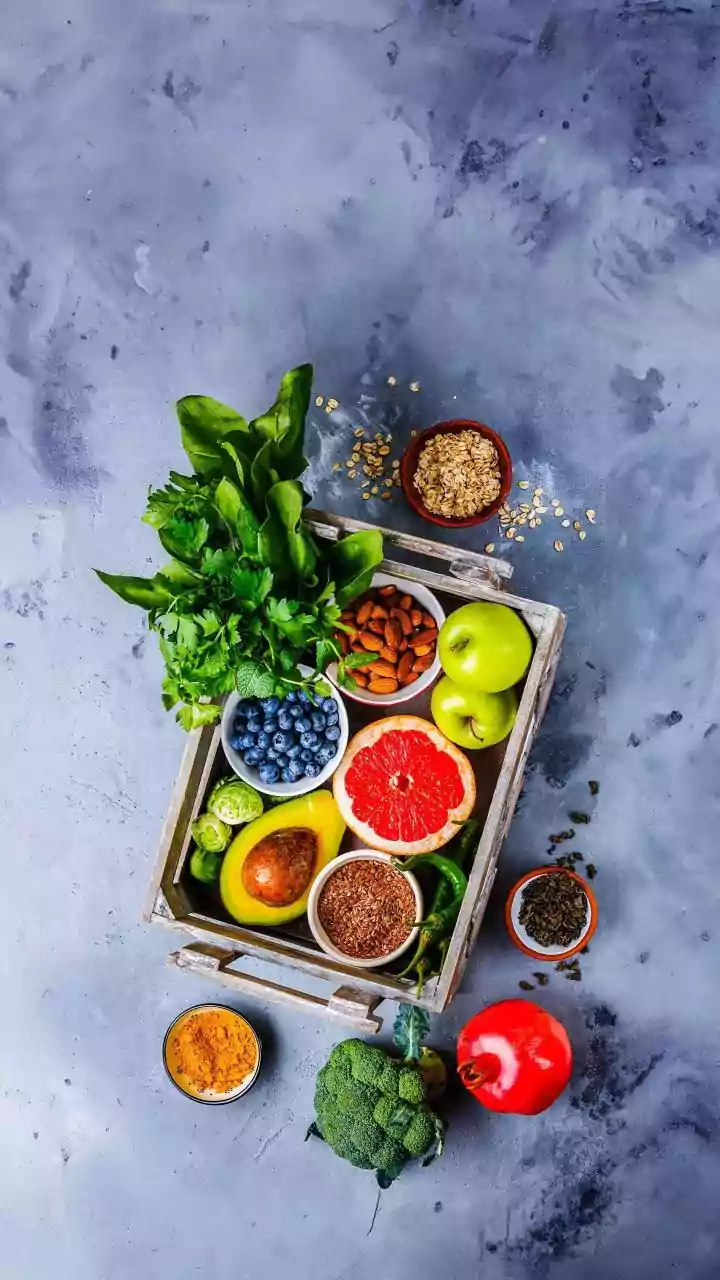
While the love for fried snacks remains, a significant shift is underway. A growing awareness of health and wellness is reshaping our monsoon plates. Many are now consciously looking for lighter, more nutritious options to boost immunity during a season notorious for infections. Instead of deep-frying, people are turning to grilled, baked, or air-fried versions of their favourite snacks. There is a greater emphasis on incorporating immunity-boosting spices like turmeric, ginger, and black pepper into daily meals. Herbal teas and kadhas (concoctions) are replacing sugary, milky chai for many. The focus is shifting towards seasonal fruits like jamun, plums, and pears, and easily digestible vegetables, while traditionally avoiding leafy greens which can harbour microbes in the damp weather. This has led to a modern monsoon diet that includes things like roasted makhana, warm vegetable soups, and moong dal chillas.
When Street Food Moves to the Cloud
The way we access monsoon cravings has also been revolutionized. Food delivery apps have made it possible to satisfy a desire for anything from chaat to chole bhature without stepping out into the rain. This convenience has fundamentally altered eating habits, especially in urban areas. While this provides unprecedented choice, it also brings new considerations. Health experts advise caution with street food during this season due to a higher risk of water and food contamination. Ordering from trusted, hygienic restaurants via apps can feel like a safer bet. However, this convenience can also lead to more frequent, impulsive, and often unhealthy eating. In response, some platforms are introducing 'healthy' filters and highlighting nutritious options, catering to the health-conscious consumer.
The Reality of the Monsoon Market
Our food choices are not just shaped by cravings and health trends, but also by what's available and affordable. The monsoon regularly disrupts supply chains, with heavy rains damaging crops and hindering transportation. This often leads to a sharp increase in the prices of vegetables like tomatoes, onions, and capsicum. Just this month, reports from cities like Jaipur show tomato prices soaring to Rs 80-100 per kg due to supply issues. Such price volatility can push consumers to alter their shopping lists, opting for more stable and affordable vegetables like potatoes, bottle gourd, and brinjal, or relying more on pulses and grains. This economic reality forces a practical change in the daily menu, steering households towards dishes that are less dependent on market-sensitive produce.