



Beyond Butter Chicken and Dosa
For years, the Indian restaurant scene, both at home and abroad, was defined by a handful of famous dishes. Think rich North Indian curries and familiar South Indian staples. While delicious, this narrow representation barely scratched the surface of India's
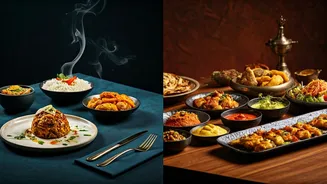
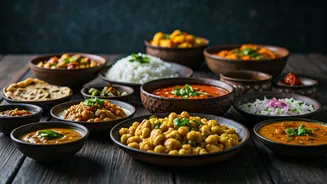
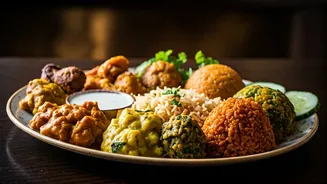
immense culinary diversity. Now, a new generation of confident and creative chefs is championing a more holistic approach. They are moving away from menus that focus on just one region, instead creating 'multi-regional' or 'pan-Indian' dining experiences. These menus might feature a coastal delicacy from Goa alongside a robust dish from the Northeast, or a re-imagined street food classic from Delhi next to a comforting recipe from a grandmother's kitchen in Kerala. The goal is to present a truer, more vibrant picture of what Indian food can be.
A Culinary Map on a Menu
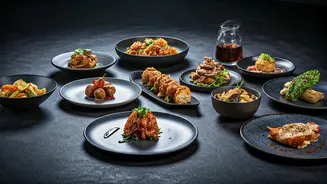
This trend is taking exciting forms across the country. In Chennai, the restaurant Parva offers a menu that spans 23 different regions, taking diners on a culinary journey across the subcontinent without leaving their table. Each dish, from a Konkan Sol Kadi to a Bengali Kochuri, comes with a story about its origin and traditions. At Masque in Mumbai, Head Chef Varun Totlani focuses on hyper-local indigenous ingredients, transforming them into genre-defying dishes. Imagine a masala papad made with nixtamalized corn or a sorbet featuring prickly pear and gondhoraj lime. Similarly, restaurants like Hosa in Goa are pushing the boundaries of South Indian cuisine by pairing a Jaffna chicken skewer with raw mango chutney or re-imagining Madurai street food as a luxurious small plate. This isn't about creating confusing fusion, but about thoughtfully blending techniques and flavours to tell a broader story of Indian food.
What's Driving the Delicious Change?
Several factors are fueling this culinary evolution. Indian diners have become more curious and adventurous, eager to explore the lesser-known food traditions of their own country. This curiosity is amplified by social media, where food bloggers and influencers are educating people about India's culinary diversity. Chefs, too, are feeling more empowered to experiment and tell personal stories through their food. They are acting as storytellers, reviving forgotten recipes and celebrating the cultural richness behind each dish. Furthermore, there's a growing movement to highlight indigenous and hyperlocal ingredients, from unique chillies to ancient grains, giving chefs a broader palette of flavours to work with. This focus on regionality allows them to showcase the distinct food cultures that change every few hundred kilometres across India.
The Future is Flavorful and Diverse
This multi-regional approach is more than just a trend; it's a movement towards a more authentic and comprehensive representation of Indian cuisine. It challenges the old, monolithic view of Indian food and replaces it with a dynamic mosaic of flavours, textures, and histories. By stepping away from the predictable 'greatest hits', restaurants are giving diners a chance to discover the unique dishes of states like Odisha, Assam, or Rajasthan. They are proving that a fiery Rajasthani Dal Baati Churma, a tangy Goan prawn curry, and a smoky Naga pork dish can all coexist on a modern Indian menu, offering a richer and far more exciting dining experience. This shift ensures that the legacy of India's diverse kitchens is not just preserved but celebrated in new and innovative ways.