


The Co-Living Reality in India
Across India's bustling metros like Bangalore, Mumbai, and Delhi, co-living is no longer a niche trend but a mainstream housing solution for millennials and Gen Z.. Driven by high rents and the desire for community and convenience, young professionals
are opting for these shared spaces.. While affordable and flexible, the challenge remains: how to make a small, often uniform room feel personal and functional. The answer lies not in more space, but in smarter furniture.
The Magic of Modular: What It Means for Renters
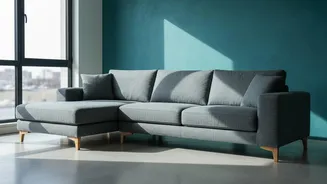
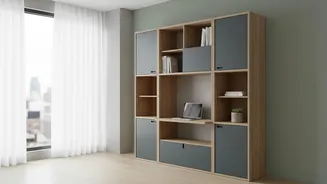
Modular furniture is the ultimate toolkit for the modern renter. These are not just standalone items but flexible, adaptable pieces that can be reconfigured, combined, or separated to fit your needs. Think of a sofa that can be broken into sections, shelves that can be stacked differently, or a desk that folds away.. For those living in co-living spaces, its biggest advantage is its chameleon-like ability to adapt to small rooms and move with you, making it a wise, long-term investment.
Build Your Base with Multi-Functional Heroes
Every transformation needs a strong foundation. Start with the largest pieces in your room. A sofa-cum-bed is a classic for a reason, instantly turning a living area into a guest-ready bedroom.. Similarly, a bed with built-in hydraulic storage can eliminate the need for an extra cupboard, hiding away everything from luggage to seasonal bedding.. These hero pieces do double duty, saving precious floor space while solving your biggest storage headaches.
Think Vertically: Your Walls Are Unused Real Estate
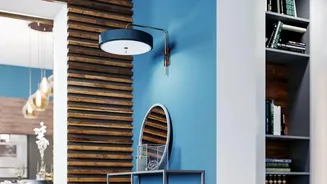
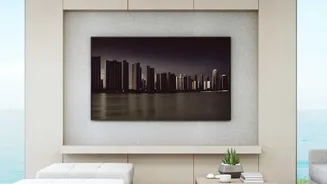
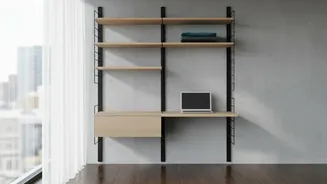
When floor space is limited, look up. Walls offer a vast, untapped canvas for storage and function. Wall-mounted shelves, floating desks, and tall, narrow storage units draw the eye upward, creating an illusion of space.. They allow you to keep floors clear, which is key to making a small room feel open and airy.. A wall-mounted TV unit, for instance, frees up the floor that a bulky console would otherwise occupy, making the entire room feel lighter.
Create Zones to Define Your Space
A single room can serve many purposes if you cleverly define different zones. You don't need walls; modular furniture can act as a subtle divider. A low, open bookshelf can separate your sleeping area from your workspace without blocking light. A foldable dining table can be brought out for meals and tucked away after, creating a temporary dining zone.. Even a simple rug can help anchor your seating area, visually separating it from the rest of the room. This technique brings order and a sense of purpose to each corner of your home.
Personalise Without Permanent Changes
One of the biggest challenges for renters is adding personality without risking the security deposit. Modular pieces are perfect for this. Use nesting tables for flexible surfaces that can be styled with your favourite books or plants.. A multi-purpose trolley can become a mobile bar cart or a bedside table.. Instead of permanent fixtures, use folding screens to add a decorative touch or hide clutter.. These small, movable touches are what truly make a space feel like your own.