






What Exactly Is an AI Kitchen?
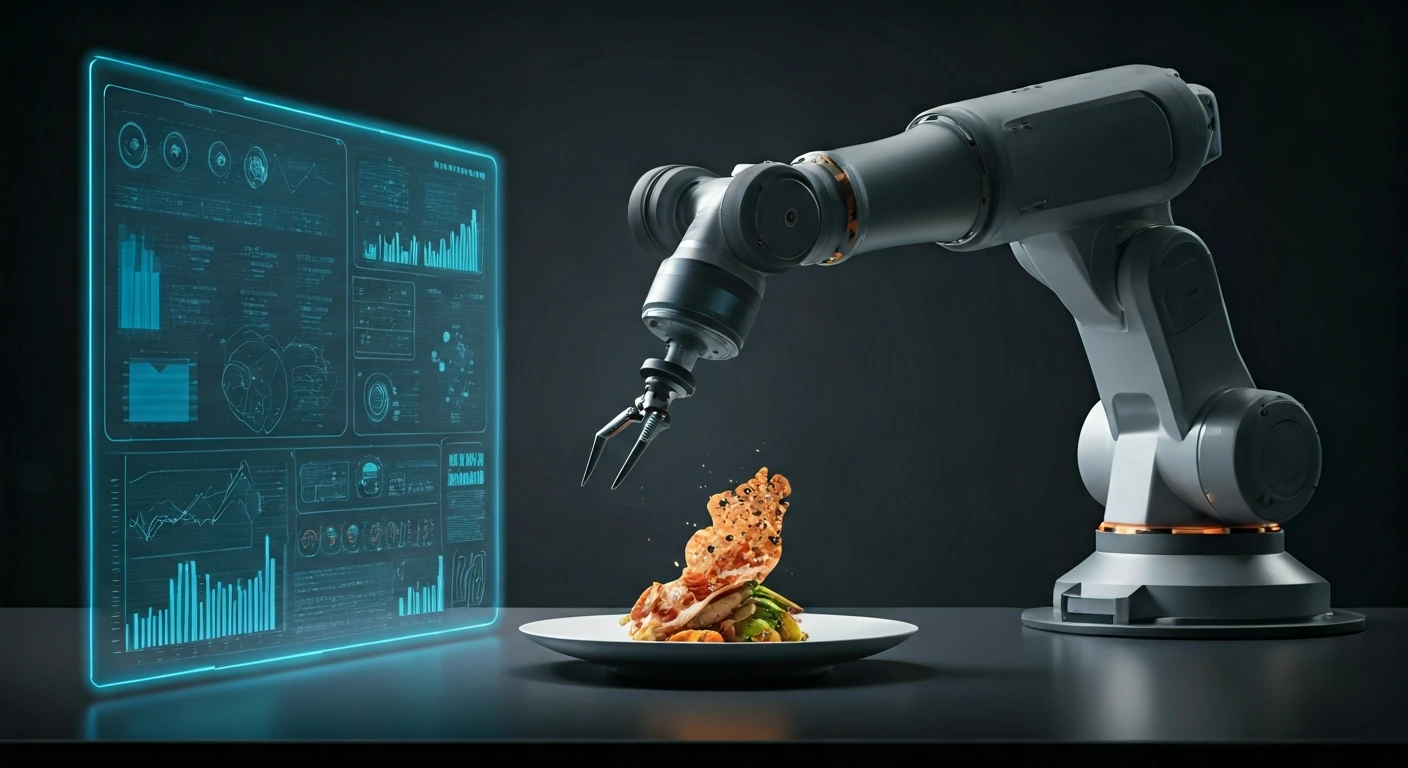
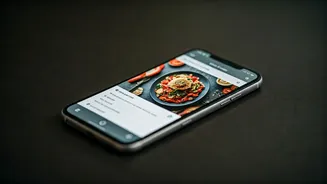
When you hear 'AI kitchen', it’s easy to picture a robot flipping burgers, and you wouldn't be entirely wrong. But the reality is much broader and more sophisticated. An AI kitchen is a food preparation environment where artificial intelligence and automation
are used to optimise various tasks. This goes far beyond just robotic arms. It includes smart systems that predict customer demand, manage ingredient inventory to reduce waste, and even personalise recipes based on customer data. Think of it less as a single robot chef and more as an intelligent, connected ecosystem working behind the scenes. This can range from AI-powered voice assistants taking drive-thru orders to complex algorithms ensuring that a cloud kitchen stocks the right amount of paneer for the weekend rush.
More Than Just Robot Chefs
The technology powering this trend is multi-layered. On one end, you have physical automation. Companies like Miso Robotics have developed 'Flippy', a robotic arm that can handle fry stations, while Sweetgreen uses an automated 'Infinite Kitchen' to assemble its salads with precision. On the other end, powerful software is the real brain of the operation. AI models analyze historical sales data, weather patterns, and local events to forecast what customers will order and when. This allows restaurants to minimise food spoilage, a huge cost for the industry. Other systems use computer vision to 'watch' food as it cooks, adjusting temperature and timing to ensure perfect results without human intervention, a concept some call 'visual taste'. In India, companies like Rebel Foods, which operates brands like Faasos and Behrouz Biryani, have long used AI to manage their vast network of cloud kitchens efficiently.
The Recipe for Efficiency and Consistency
So, why are restaurants so interested in this technology? The primary drivers are consistency and efficiency. An automated system can produce the same dish with the exact same quality every time, something that is challenging in a busy kitchen with high staff turnover. This is especially crucial for quick-service restaurants (QSRs) and cloud kitchens that rely on delivering a predictable experience. Furthermore, AI helps slash operational costs. By optimising inventory, AI reduces food waste, and by automating repetitive tasks, it addresses labour shortages and allows human staff to focus on more creative and customer-facing roles. In an industry with notoriously thin margins, these gains in efficiency can be the difference between success and failure.
A Taste of the Future in India
While fully automated restaurants are still a novelty, AI is already making its way into the Indian food landscape. The most significant adoption is in cloud kitchens, where efficiency is paramount. However, the pushback is cultural. Many Indian chefs and restaurateurs believe that AI cannot replicate the 'haath ka swad'—the unique taste imparted by the human touch—which is central to Indian cooking. The complexity and diversity of Indian cuisine present a unique challenge for automation. As a result, the trend in India is taking a hybrid approach. We are seeing a rise in smart home-cooking appliances from startups like Upliance.ai and Nosh, which use AI to guide home cooks through complex recipes, acting as a digital sous-chef. These devices help with everything from chopping to automatically dispensing spices, making intricate dishes more accessible.
But What Happens to the Chefs?
The most common concern surrounding automation is job displacement. Will robots take over the kitchen entirely? The current consensus is no. While some roles focused on repetitive tasks may be automated, the technology is seen as a tool for augmentation, not replacement. By handing over monotonous jobs like frying chips or assembling salad bowls to machines, chefs and kitchen staff are freed up to focus on what humans do best: creativity, recipe development, and providing a personal touch to the dining experience. The future kitchen may require a different skill set, blending culinary arts with a degree of tech-savviness. The goal is not to remove the human element but to enhance it, allowing for greater creativity and better service by making the back-end operations smarter and more efficient.