






Gear Up: Your First Line of Defence
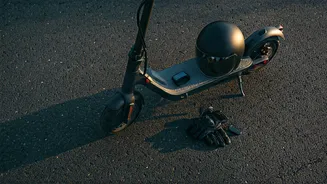
Before you even think about hitting the road, gearing up is non-negotiable. The single most important piece of safety equipment is a helmet that meets safety standards. [24] A well-fitting helmet significantly reduces the risk of serious head injuries
in a fall. [24, 25] But protection doesn't stop there. Consider investing in riding gloves, which not only protect your hands from abrasions but also improve your grip and reduce fatigue. [23, 24] For added safety, especially in unpredictable traffic, knee and elbow pads can absorb impact and prevent painful injuries. [24] Finally, wearing bright or reflective clothing enhances your visibility to other road users, a crucial factor for preventing accidents, particularly at dawn, dusk, or night. [19, 23]
The 60-Second Pre-Ride Checklist
A safe ride begins before you even start moving. [2] Making a quick inspection part of your daily routine can prevent unexpected issues. [2] Before every trip, perform this simple check: First, inspect your tyres. Ensure they are properly inflated to the recommended pressure, as this affects handling, efficiency, and braking. [2, 18] Next, test your brakes to ensure they are responsive. [8] Check that your headlights, taillights, and indicators are all functioning correctly. [6] Give the handlebars a quick shake to confirm they are secure and that the folding mechanism is properly locked. [18] Finally, glance at your battery level to ensure you have enough charge for your journey. This entire process takes less than a minute but is one of the most effective safety habits you can adopt. [19]
Know the Rules of the Road
Understanding the legal framework for electric scooters in India is crucial for a hassle-free experience. [11] Regulations often depend on the scooter's motor power and top speed. [15] For example, electric scooters with a motor less than 250W and a top speed below 25 km/h are often exempt from registration and licensing requirements. [12, 15, 20] However, for any scooter exceeding these limits, you must have it registered with the RTO, hold a valid driving license, and secure at least third-party insurance. [11, 12] Regardless of your scooter's speed, wearing a helmet is compulsory for both the rider and a pillion passenger. [11] Adhering to all standard traffic rules, including signals and lane discipline, is also mandatory. [12]
Mastering Defensive Riding
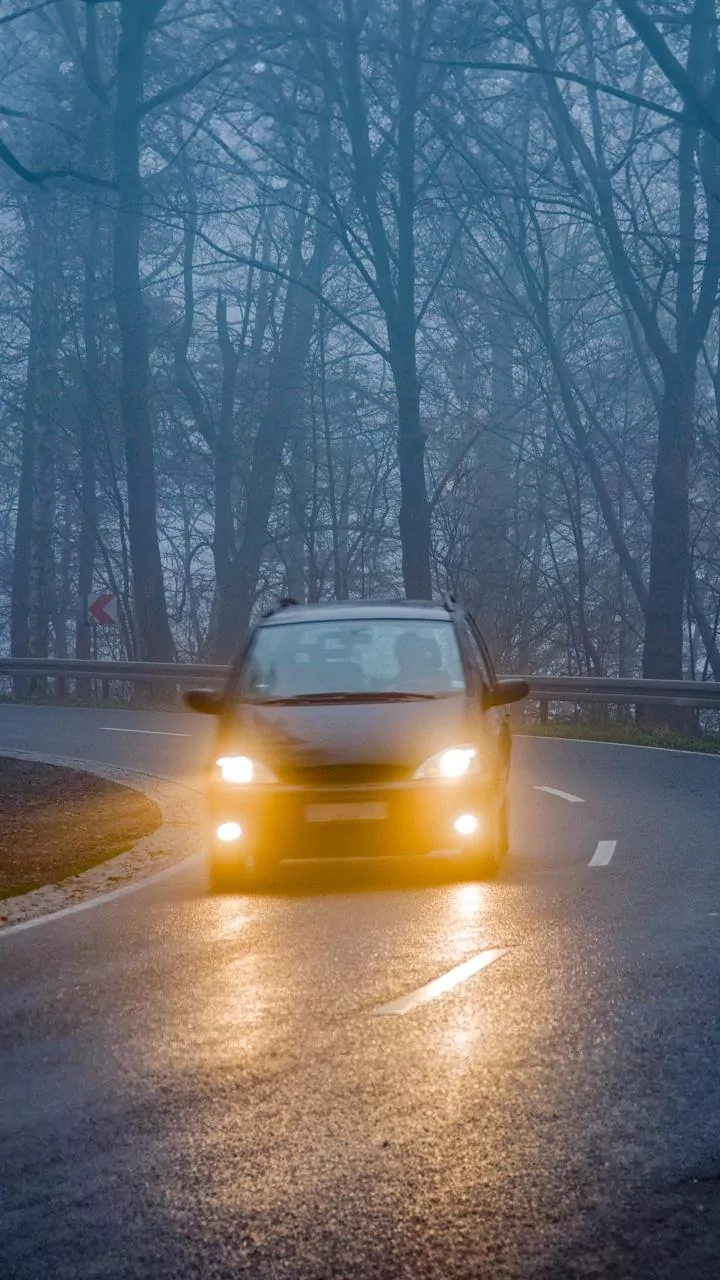
Riding in city traffic requires constant awareness and a defensive mindset. Assume that other drivers may not see you and always maintain a safe distance from other vehicles to allow for adequate stopping time. [13, 16] Use bike lanes whenever available, as they are your safest space on the road. [16] When you must ride in traffic, be predictable. Avoid sudden weaving, hold a steady line, and use hand signals or indicators before turning. [16, 19] Intersections are high-risk areas, so slow down and make eye contact with drivers to ensure they have seen you before you proceed. [10, 16] It’s also wise to avoid distractions like using your phone while riding. [10]
Simple Maintenance for a Longer Lifespan
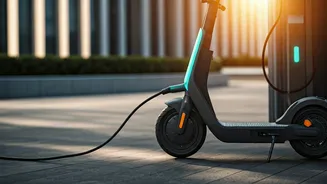
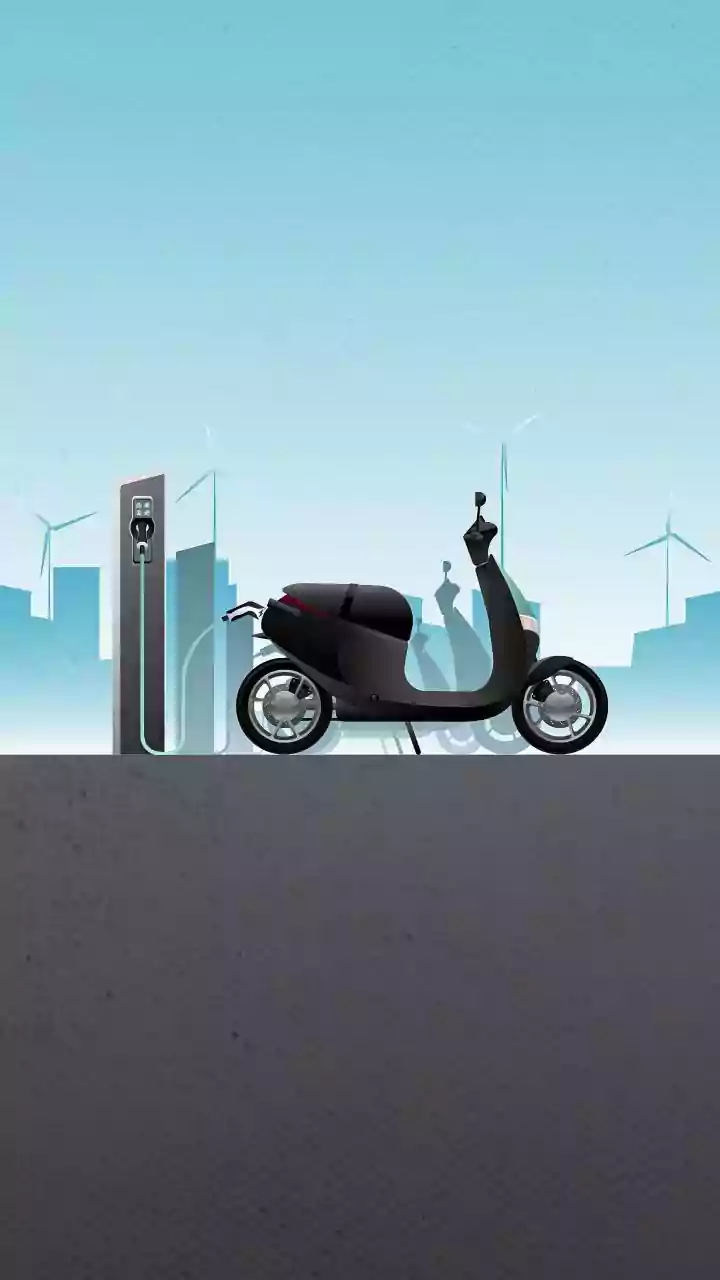
Regular maintenance is key to your scooter's longevity and performance. [3] Simple, routine care can extend its service life significantly. [4] Keep your scooter clean, especially after riding in the rain, by wiping it down with a damp cloth to prevent rust and protect electrical components. [3, 4] Battery care is also crucial; avoid deep-discharging the battery regularly and follow the manufacturer's charging instructions to preserve its health. [3, 5] On a weekly or monthly basis, check for any loose nuts and bolts and tighten them, test your brakes for tightness, and lubricate moving parts like the folding mechanism to ensure they operate smoothly. [3, 4]