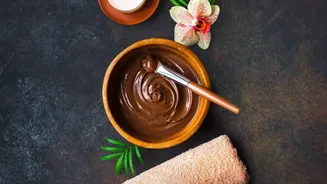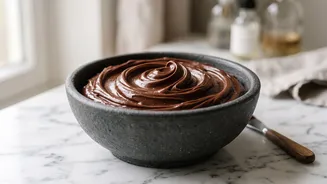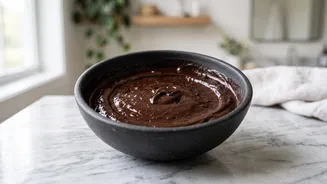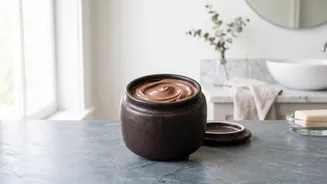



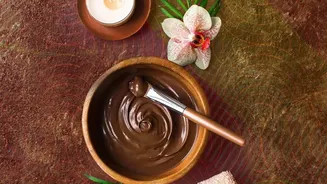
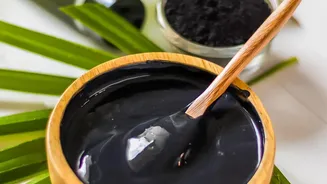
The idea of a chocolate face mask is pure bliss, blending self-care with a decadent treat. It promises a glowing, perfect complexion. But can slathering your face in cocoa really deliver on the promise of flawless skin? Let's unwrap the truth.
The Sweet Promise: Antioxidants and Glow
The core
of the chocolate-for-skin claim lies in its impressive list of ingredients. Raw cacao powder is packed with beneficial compounds like polyphenols and flavonoids, which are powerful antioxidants. These substances are known for fighting free radicals, which are unstable molecules that can damage cells and accelerate aging. When you eat high-quality dark chocolate, these antioxidants contribute to overall health, including supporting skin hydration and circulation from within. It is this internal benefit that has been extrapolated to suggest that applying it topically will yield the same amazing results.
The Science: Does Topical Application Work?
Here's where the claims get tricky. Your skin is a barrier, designed to keep things out. While the antioxidants in cocoa are real, their ability to penetrate the skin and work their magic is a complex matter. Some studies have shown that cocoa extracts and the flavonoids within them, like catechin and epicatechin, can be detected in the outer layer of the skin after topical application. This suggests they can offer some localized antioxidant and anti-inflammatory benefits. They may help soothe irritation and provide a degree of protection against environmental stressors. However, the concentration and formulation of the product are critical, and a DIY mask may not have the right properties for effective absorption.
The 'Flawless Skin' Myth
The term 'flawless skin' is a marketing concept, not a medical reality. No single ingredient can erase pores, eliminate all texture, and create a perfectly uniform complexion. While a chocolate mask might offer some benefits, it's not a miracle cure for concerns like acne, deep wrinkles, or significant hyperpigmentation. In fact, some homemade chocolate masks could even be problematic. Using chocolate bars full of sugar and milk solids might irritate the skin or clog pores, and sugar itself can be inflammatory. The true benefit of a chocolate mask is often more about the other ingredients it's mixed with—like yogurt for its lactic acid, or honey for its moisturizing and antibacterial properties.
What a Chocolate Mask Can Actually Do
So, should you skip the chocolate mask entirely? Not necessarily. While it won't deliver 'flawless' skin, it can provide some temporary benefits. The fats in cocoa butter, often present in chocolate, are moisturizing and can help soften dry skin. The gentle stimulation from applying and removing the mask can temporarily boost blood flow, leading to a shortlived rosy glow. Perhaps most importantly, the ritual itself is a form of stress relief. Stress is a known trigger for skin issues like collagen breakdown, and taking 15 minutes for a relaxing, sweet smelling mask can be genuinely beneficial for your well being.
Ultimately, chocolate face masks fall into the category of a fun, pampering experience rather than a serious dermatological treatment. They can provide temporary hydration and a pleasant sensory ritual, and pure cocoa powder does have some scientifically backed antioxidant properties. However, the claims of achieving 'flawless' skin are a significant exaggeration. The most reliable way to harness the powerful benefits of cocoa's flavonoids for your skin is likely by consuming high flavanol, low sugar dark chocolate as part of a balanced diet. Enjoy your chocolate mask for the enjoyable treat it is, but rely on consistent, proven skincare staples like sunscreen, gentle cleansers, and targeted treatments for long term skin health.