

From Burnout to the Cosmos
Instead of another packed city break, many young Indians are now actively seeking the opposite: silence, space, and a sky full of stars. This growing trend, known as astrotourism, is driven by a desire to disconnect from the digital world and find a more
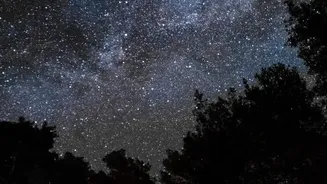
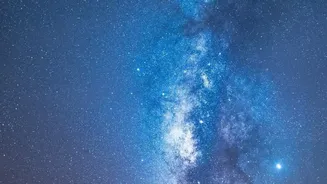
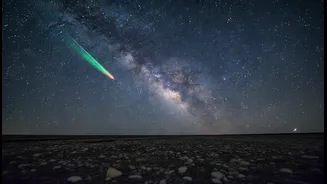
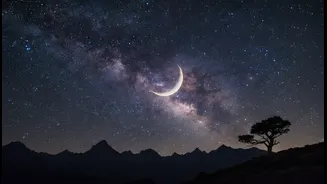
meaningful travel experience. For a generation accustomed to constant notifications and the pressures of being online, the appeal of a quiet night under a vast, star-filled sky offers a powerful antidote to burnout. It’s a shift from performative travel to something more elemental and restorative. The simplicity of watching meteor showers or tracing constellations is becoming the ultimate luxury. Social media, ironically, has also played a part, with stunning images of the Milky Way transforming remote, dark-sky locations into aspirational destinations.
India's Premier Stargazing Destinations
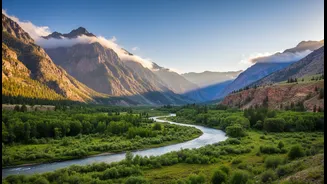
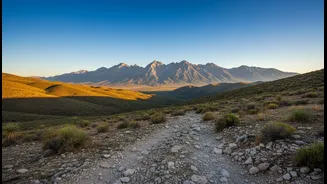
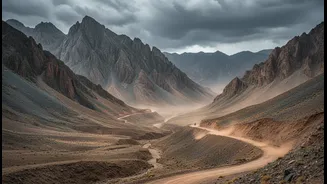
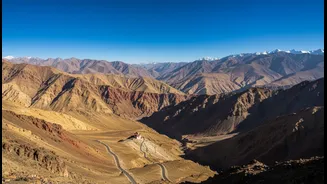
India’s diverse geography offers a spectacular canvas for stargazing. The Hanle Dark Sky Reserve in Ladakh, the country's first, is a world-class destination for astronomers and tourists alike. At an altitude of 4,500 meters, its clear, dry air and minimal light pollution provide unparalleled views of the cosmos. Similarly, Spiti Valley in Himachal Pradesh is a favourite among astrophotographers, with villages like Langza and Kibber offering some of the darkest skies accessible in Asia. For those in the south, the coffee plantations of Coorg in Karnataka provide peaceful, dark vantage points away from city lights, especially between October and May. Other notable spots include the vast Rann of Kutch in Gujarat, where the white salt desert meets an endless starry horizon, and parts of the Himalayas in Uttarakhand.
Your First Starry Night Toolkit
You don't need to be an astronomer to enjoy a starry night escape. A little preparation goes a long way. First, check the calendar. For the best views of stars and the Milky Way, plan your trip around the New Moon, as a bright moon can wash out the night sky. Second, dress warmly. Even in the desert, nights can get cold, and high-altitude locations are chilly year-round. Layers are your best friend. While a telescope is a great tool, it’s not essential for beginners. A good pair of binoculars can reveal craters on the moon and the moons of Jupiter. There are also several user-friendly smartphone apps, like Stellarium or Sky Map, that can help you identify constellations and planets in real-time. Most importantly, pack your patience; it takes about 20 minutes for your eyes to fully adjust to the darkness.
More Than Just Looking Up
A trip planned around stargazing is about more than just astronomy. It’s an immersive experience that often involves camping, staying in remote homestays, and connecting with nature in a profound way. These escapes encourage a slower pace of travel, focusing on the destination itself rather than a checklist of sights. In places like Hanle, astro-tourism is also empowering local communities, who are trained as guides and hosts, creating a sustainable model of tourism that helps preserve both the pristine skies and local culture. Whether it’s sitting around a bonfire in Spiti or lying on the salt flats in Kutch, a starry night escape is a chance to experience a sense of awe and perspective that is hard to find in our busy, brightly lit world.