


Beyond the Standardised Menu
For decades, the restaurant playbook in urban India was predictable: a comfortable rotation of paneer tikka, dal makhani, biryani, and perhaps some Indo-Chinese staples. While beloved, this greatest-hits collection often presented a homogenised version
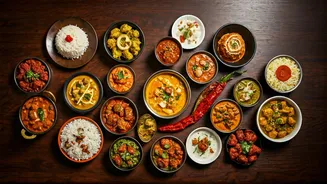
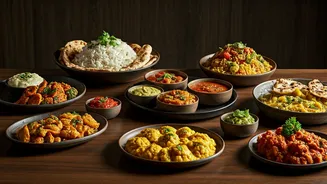
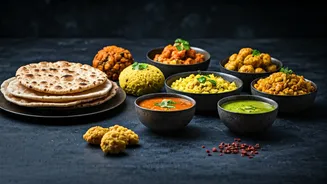
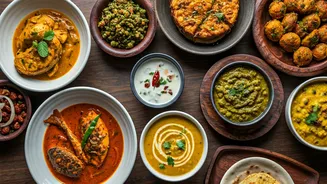
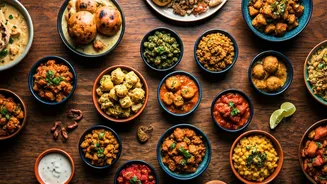
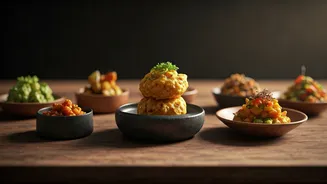
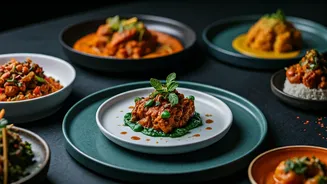
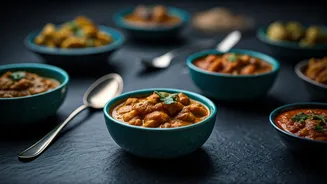
of a subcontinent's worth of culinary diversity. That era is rapidly coming to a close. A new wave of diners, particularly Millennials and Gen Z, are actively seeking out dishes that tell a deeper story. They are trading the familiar for the fascinating, driving a trend that sees restaurants specialising not just in broad 'North Indian' or 'South Indian' categories, but in hyper-regional offerings from places like Nagaland, Kerala, and Gujarat. Dishes like smoky Naga pork, spicy Chettinad curries, and comforting Kumaoni gravies are moving from home kitchens to premium dining spaces.
The Search for Authenticity and Connection
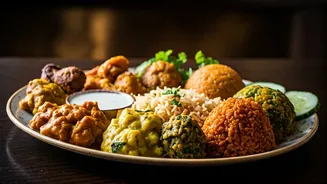
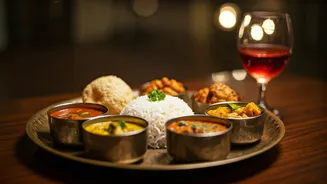
So, what’s fuelling this shift? It’s a mix of cultural curiosity and a quest for authenticity. For many young Indians who have moved to cities for work or education, regional food offers a powerful taste of nostalgia and a connection to their roots. It's the flavour of a grandmother’s cooking or a hometown festival, served in a modern urban setting. Simultaneously, for others, it's a form of culinary tourism. Social media plays a huge role here, with Instagram reels and food vlogs introducing millions to dishes they've never seen before. A visually stunning post about a Rajasthani thali or the unique preparation of Bihari litti chokha can spark curiosity and a desire to experience those flavours firsthand. This digital exposure has made diners more experimental and adventurous than ever.
Chefs as Cultural Storytellers
This trend has empowered a new generation of chefs who see themselves as culinary preservationists and storytellers. They are travelling to remote villages, documenting forgotten recipes, and learning ancient techniques to bring back to their urban restaurants. This movement is about more than just food; it’s a cultural narrative. Restaurants are building their entire identities around specific regional cuisines, from Awadhi to Malvani to Assamese. This focus on authenticity extends to sourcing, with an emphasis on indigenous grains, local produce, and artisanal products. By reviving these dishes, chefs are not only offering unique dining experiences but also preserving India's vast and varied culinary heritage.
Health, Wellness, and Modern Palates
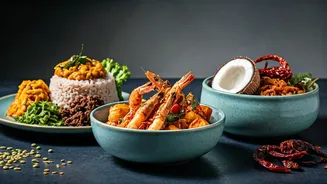
The rise of regional food also aligns perfectly with modern wellness trends. Many traditional cuisines are inherently healthy, relying on seasonal vegetables, lean proteins, and cooking methods like steaming and fermentation rather than heavy creams and oils. Cuisines from Kerala, for example, are rich in coconut and spices with recognised health benefits. The focus on millets like bajra, jowar, and ragi in cuisines from Rajasthan and Tamil Nadu appeals to health-conscious consumers looking for alternatives to refined grains. For a generation that is increasingly scrutinising ingredients and prioritising mindful eating, the wholesome, balanced nature of many regional thalis and meals is a major draw.