
Choose Your Trek Wisely
Not all treks are suitable for the August monsoon. While the rains transform meadows into lush green carpets, they also heighten risks like landslides and slippery trails. Treks like the Valley of Flowers are popular this time of year precisely because
the monsoon is what brings its 300-plus species of flowers into full bloom. It's a moderate trek with a well-defined path, making it accessible even for beginners, provided they are prepared for wet conditions. Conversely, routes prone to major landslides or with multiple river crossings should be avoided. Research your destination thoroughly. Look for treks with good drainage, established trails, and less exposure to landslide zones. It's also wise to have buffer days in your itinerary to account for weather-related delays.
Master Monsoon Trekking Safety
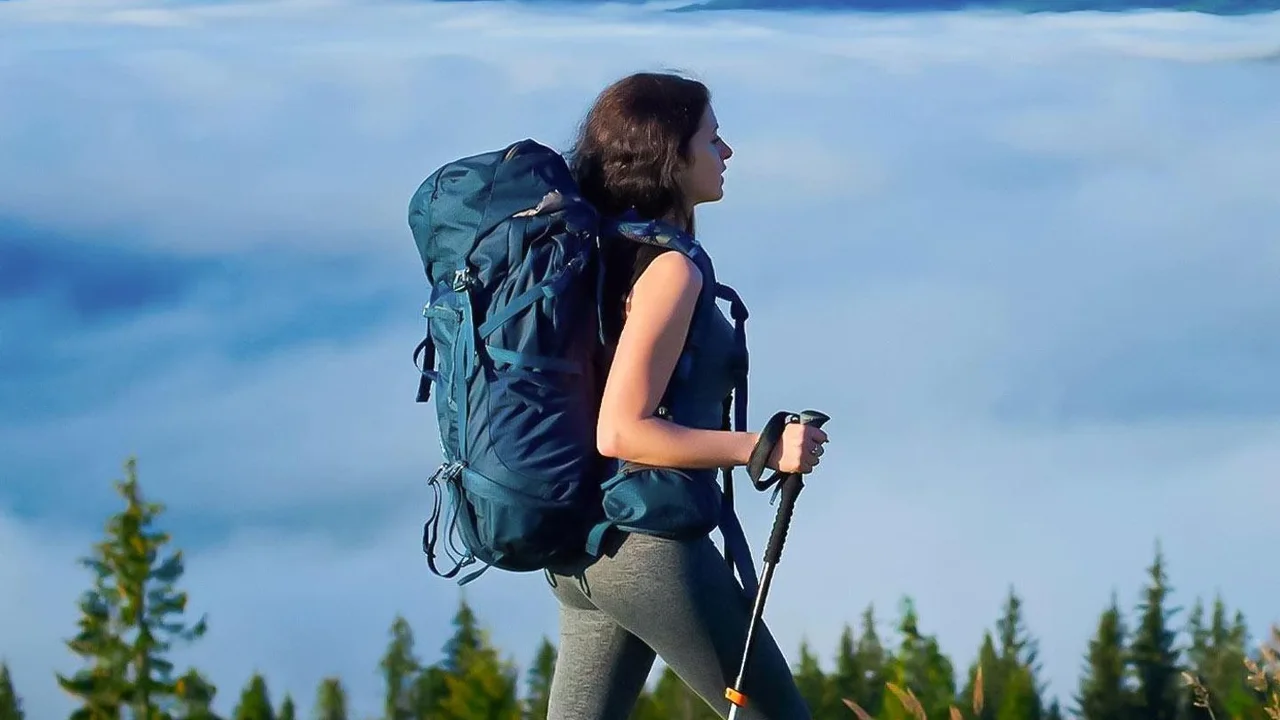
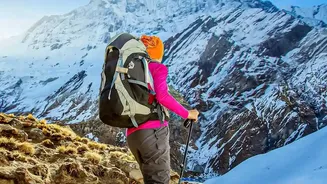
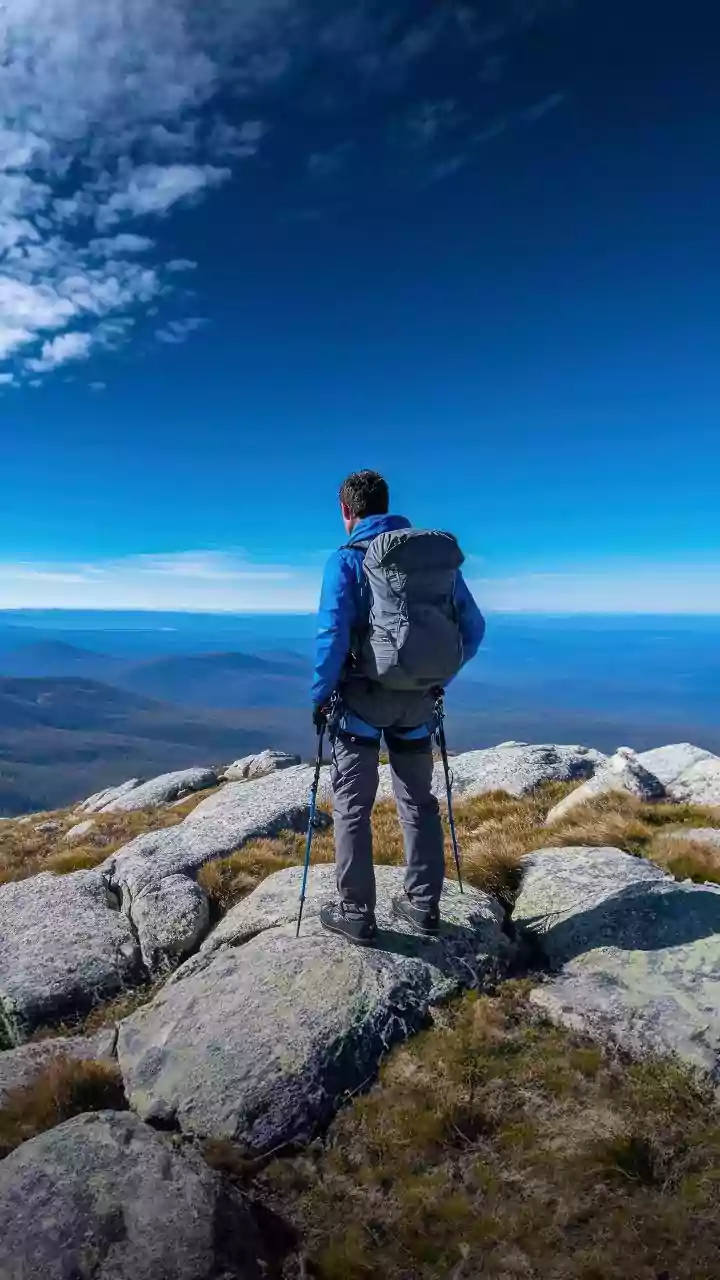
Monsoon trekking comes with specific challenges. Trails can become muddy and treacherous, and the risk of landslides is real. Always check the latest weather forecasts and road conditions before you start your journey and each morning of your trek. Start your trekking day early, as rainfall is often heavier in the afternoons. Proper footwear is non-negotiable; you need trekking shoes with excellent grip, not casual sneakers. Using trekking poles can provide crucial stability on slippery sections. When planning your trip, consider hiring a certified tour operator. Local guides possess invaluable knowledge of the terrain and can make informed decisions if conditions turn hostile. Travelling solo is generally not advisable during this season.
Respect the Altitude
High altitude brings the risk of Acute Mountain Sickness (AMS), a condition caused by lower oxygen levels. Symptoms can be mild, like a headache, nausea, or dizziness, but can become severe if ignored. The golden rule of acclimatisation is to ascend gradually. If you're climbing above 8,000 feet, avoid increasing your sleeping altitude by more than 1,000 to 1,600 feet per day. Plan a rest day for every 2,000 feet you climb. Hydration is key, so drink plenty of water and avoid alcohol, which can interfere with acclimatisation. If you or a fellow trekker shows symptoms of AMS, do not ascend further. If symptoms worsen, descending is the only cure.
Pack Smart, Not Heavy
Your packing list for a monsoon trek is different from a dry-season one. The key is layering with quick-drying synthetic fabrics; avoid cotton as it absorbs moisture and takes a long time to dry. Essential items include a high-quality waterproof jacket and pants, or a poncho that can cover both you and your backpack. A separate rain cover for your backpack is a must to keep your clothes and electronics dry. Pack waterproof trekking shoes, extra pairs of quick-dry socks, and perhaps a pair of sandals or clogs for wearing at the campsite. Other crucial items include a first-aid kit, insect repellent, a power bank for your phone, a headlamp, and any personal medications.
Hire a Professional and Stay Flexible
The value of a professional guide or a reputable trekking company cannot be overstated, especially in the unpredictable monsoon. They provide certified trek leaders, ensure campsites are well-organised, and handle logistics like permits and transport. More importantly, they make daily health checks and carry oxygen on high-altitude treks. This support system allows you to focus on the experience rather than the myriad logistical challenges. Finally, maintain a flexible mindset. Mountain weather is fickle. A sudden downpour might mean spending an afternoon in your guesthouse instead of trekking. Accepting these changes as part of the adventure is crucial for a positive and safe experience.