


The Allure of 'Grounding'
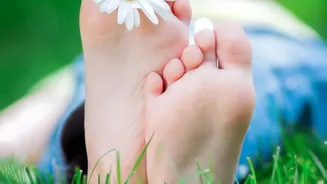
The philosophy behind barefoot hiking is simple and appealing: to reconnect with nature in the most direct way possible. Proponents often talk about 'grounding' or 'earthing', the feeling of having a direct physical connection to the earth's surface.
For many, it’s a sensory experience that transforms a simple walk into something more mindful. Beyond the spiritual appeal, the movement also taps into a belief that modern footwear has weakened our feet, and that returning to a more natural state can restore their innate function. The idea is that our feet, freed from the confines of cushioned, supportive shoes, can move and flex as they were designed to, leading to a host of physical benefits.
Claim: You'll Build Stronger Feet
One of the most common claims is that barefoot hiking strengthens the intricate network of muscles, tendons, and ligaments in the feet. When you wear supportive shoes, many of these smaller muscles don't have to work as hard. Walking barefoot on varied terrain forces them to engage, adapt, and stabilize with every step. This, in turn, is said to improve proprioception — your body's 'sixth sense' for its position in space. With thousands of nerve endings in your feet sending direct feedback to your brain about the texture and angle of the ground, your balance and agility can improve.
Reality: The Risk of Injury Is Real
While the benefits sound great, the risks are immediate and undeniable. The most obvious danger is injury from the trail itself. Sharp rocks, glass, thorns, and roots can cause cuts, puncture wounds, and bruises. Without a sturdy sole, your feet are vulnerable. Podiatrists also warn about the risk of stress-related injuries. Our feet have often become accustomed to cushioned support. Suddenly removing that support and walking on hard or uneven surfaces can lead to problems like plantar fasciitis, Achilles tendonitis, or even stress fractures, as the shock of each step travels up your body. There's also an increased risk of bacterial or fungal infections, like athlete's foot, from direct contact with soil and moisture.
Claim: It Corrects Your Posture and Gait
Many traditional shoes have an elevated heel, which can subtly shift your posture and encourage a 'heel-strike' pattern when you walk. Barefoot advocates argue that walking without this elevation promotes a more natural midfoot or forefoot strike. This gait is believed to be lower impact and more efficient, reducing strain on your knees and hips. By allowing your foot to land more flatly and your toes to spread naturally, barefoot walking can potentially improve your overall alignment from the ground up, leading to better balance and a more fluid, natural stride.
A Safe Path to Barefoot Hiking
If you're curious to try it, the universal advice from experts is to start slowly and gradually. Don’t go from wearing supportive boots to attempting a long, rocky trail on your first day. Begin with short walks of just 5-10 minutes on soft, safe surfaces like a grassy park or a sandy beach. Pay close attention to where you step and how your feet feel. Any new pain is a signal to stop and rest. As your feet adapt and strengthen, you can slowly increase the duration and try slightly more challenging terrain. Many people find minimalist shoes, which have a thin, flexible sole and no heel drop, to be an excellent transitional tool. They offer protection from sharp objects while still allowing your feet to feel the ground and build strength.