





Getting There Without Breaking the Bank
The biggest chunk of any international trip budget is often the flight. To keep costs down, flexibility is your best friend. Booking flights to Thailand 2-3 months in advance, especially during the shoulder seasons of May-June or September-October, can
lead to significant savings. Direct flights from Indian metros like Kolkata, Mumbai, and Delhi are frequent. As of 2026, Indian passport holders benefit from a visa exemption scheme, allowing a stay of up to 60 days for tourism without any visa fee, making entry smooth and cost-free. Just ensure your passport has at least six months of validity and you have proof of an onward flight and sufficient funds.
Chiang Mai: Northern Charms on a Shoestring
Chiang Mai is a backpacker's paradise, celebrated for its affordability and rich culture. Accommodation inside the historic Old City is plentiful and cheap, with hostel dorm beds available for as little as ₹400-₹800 per night. This area is highly walkable, saving you money on transport as you explore ancient temples like Wat Phra Singh and Wat Chedi Luang, many of which are free or have a minimal entry fee. For transport to farther spots like the Doi Suthep temple, opt for the local red trucks known as 'songthaews', which are a fraction of the cost of a private taxi. Renting a scooter for around ₹300-₹500 a day is another popular option for those comfortable with navigating local traffic.
Krabi: Coastal Beauty for the Budget-Conscious
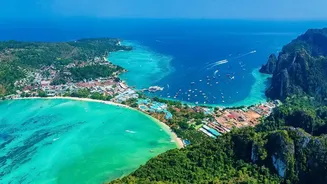
While island destinations can be pricey, Krabi offers a more affordable alternative to places like Phuket without compromising on stunning scenery. To save money, consider staying in Krabi Town instead of the more tourist-heavy Ao Nang. Accommodation in town is significantly cheaper, and you can easily access popular spots like Railay Beach via affordable long-tail boats. For island hopping tours to places like the Phi Phi islands, book directly from local operators in town a day or two in advance for better prices. Avoid expensive speedboat tours and opt for shared long-tail boats or public ferries to cut costs dramatically.
Eating Like Royalty on a Pauper's Budget
Thai street food is legendary for a reason: it's delicious, authentic, and incredibly cheap. In both Chiang Mai and Krabi, you can have a filling and flavorful meal like Pad Thai or green curry for just ₹100-₹150 from a street vendor or at a night market. The Chiang Mai Night Bazaar and the Krabi Town Walking Street are must-visits for any foodie on a budget. Convenience stores like 7-Eleven are also a backpacker's staple, offering inexpensive snacks, drinks, and even quick meals that are surprisingly tasty. By avoiding beachfront and tourist-centric restaurants, you can easily keep your daily food budget under ₹1,000.
A Sample Daily Budget
A realistic daily budget for a young backpacker in Chiang Mai or Krabi can be managed effectively. A hostel bed will typically cost around ₹600-₹1,200. For food, sticking to street stalls and local markets can keep your expenses between ₹800-₹1,200. Local transport, whether using songthaews or renting a scooter, might add another ₹300-₹500. This brings a comfortable daily budget to approximately ₹1,800-₹3,000 per person, excluding one-off activities like major tours or diving trips. Many travellers find a 7-10 day trip is manageable within a total budget of ₹50,000 to ₹60,000 per person with smart planning.