


A Tale of Two Kitchens
The origin of the molten chocolate cake is a delicious debate with two competing stories. One credits renowned French chef Michel Bras, who says he perfected his 'chocolat coulant' in 1981, inspired by the hot chocolate his family drank after skiing.
His technical version involved baking a cake with a frozen chocolate ganache core. The other, more famous story, comes from French chef Jean-Georges Vongerichten, who claims he accidentally invented it in New York in 1987. He supposedly pulled a chocolate sponge cake from the oven too early, discovering a warm, runny center that delighted diners. Vongerichten's simpler recipe was easier to replicate and is largely credited with popularizing the dessert in the United States, where it became a fine-dining staple in the 1990s.
The Psychology of the Ooze
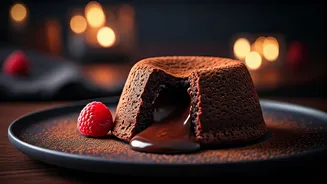
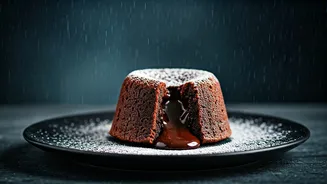
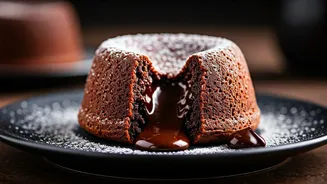
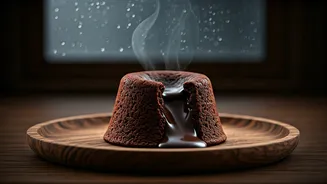
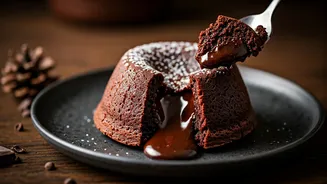
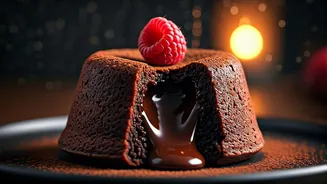
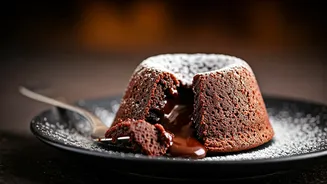
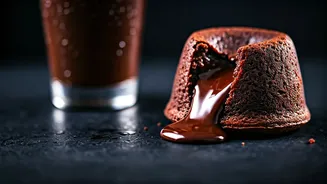
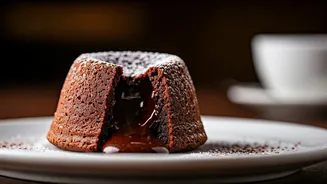
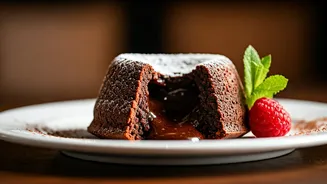
A large part of the lava cake's appeal lies in its sensory experience. The contrast between the firm, warm cake and the gooey, molten interior is a textural delight. But the magic goes deeper, tapping into the psychology of comfort food. Chocolate itself is a mood booster, containing compounds that can trigger the release of feel-good brain chemicals like dopamine and serotonin. When we eat something like a warm, rich lava cake, it provides a sense of pleasure and temporary escape from stress. This emotional connection is powerful; for many, chocolate is linked to nostalgia and happy memories, from birthday cakes to childhood treats, making it a go-to source of comfort.
A Restaurant's Best Friend
Beyond customer demand, the chocolate lava cake is a darling of restaurant kitchens for several practical reasons. The ingredients—butter, eggs, sugar, and chocolate—are kitchen staples. The recipe is relatively simple, and the cakes can often be prepared in advance and baked to order in just a few minutes. This efficiency is crucial in a busy service. Furthermore, its impressive presentation and high-perceived value allow restaurants to price it profitably. From high-end establishments to casual chains like Chili's and even Domino's, the lava cake has proven its versatility and wide appeal, making it a reliable and profitable crowd-pleaser.
India's Enduring Chocolate Obsession
In India, the love for chocolate cake is deeply ingrained, often cited as one of the most popular cake flavours for all ages. The chocolate lava cake, in particular, fits perfectly into the Indian palate's appreciation for warm, rich desserts. Its presence is ubiquitous, found in metropolitan cafes, fine-dining restaurants, and as a celebratory treat ordered online. While newer dessert trends like matcha-flavoured items and Kunafa are gaining traction with younger generations, the classic chocolate cake remains a formidable favourite. A 2018 analysis by Swiggy on Valentine's Day noted a staggering 73% increase in choco lava cake orders, underscoring its role as a go-to for special occasions.
The Classic That Keeps Evolving
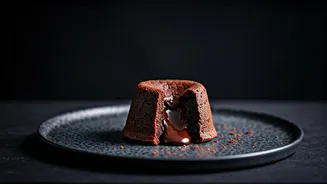
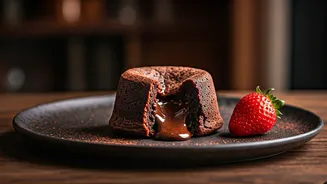
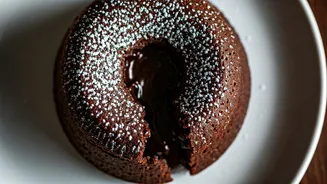
Despite its classic status, the lava cake is far from static. Chefs continue to innovate, keeping the dessert fresh and exciting. Variations now include everything from salted caramel and white chocolate centres to infusions of coffee or matcha. There are even gluten-free and vegan versions available, expanding its appeal to those with dietary restrictions. This ability to evolve while retaining its core identity—a warm cake with a molten heart—is key to its longevity. It’s a sensory journey that combines warmth, richness, and a touch of nostalgia in every single spoonful.