






The New Age of Invisible Spending
The way we spend money has fundamentally changed. The rise of the Unified Payments Interface (UPI) has been revolutionary, making transactions instant, seamless, and often for very small amounts. In 2025 alone, UPI processed a staggering 228.5 billion
transactions. From the morning chai to the auto-rickshaw ride home, countless daily payments happen with a quick scan of a QR code. This frictionless nature, while convenient, has a psychological effect: it reduces the 'pain of paying' that comes with handing over physical cash. As a result, studies show that people tend to spend more frequently and make more impulse purchases when using digital payments. This creates a significant challenge, as dozens of small, seemingly insignificant transactions quickly add up, making it nearly impossible to track spending mentally.
The Silent Drain of Subscription Creep
Beyond daily transactions, another major expense category has exploded: digital subscriptions. From OTT platforms like Netflix and Hotstar to music streaming, food delivery, and fitness apps, recurring monthly payments are the new norm. Many Indian consumers now have multiple subscriptions, with some juggling more than six at a time. The problem is so widespread it has a name: 'subscription fatigue'. A 2023 survey found that 89% of Indian subscribers feel there are too many services, and 56% struggle to remember all their billing dates. These auto-renewing payments are easy to set up and even easier to forget, leading to a slow, consistent drain on your bank account for services you may no longer use or value. This 'subscription creep' is a key area where traditional, manual budgeting methods fail.
Why Old Budgeting Methods Are Failing
In the past, managing money might have involved a notebook or a complicated Excel spreadsheet. These methods require immense discipline and manual effort. You had to collect every bill and remember to log every expense. In an era of high-volume digital transactions happening across multiple platforms—bank accounts, credit cards, and various UPI apps—this manual approach is no longer practical. Forgetting to log a few UPI payments or a new subscription can throw off an entire month's budget. The sheer volume and fragmentation of digital spending demand a more automated, real-time solution that old-school methods simply cannot provide.
The Rise of the Smart Financial Assistant
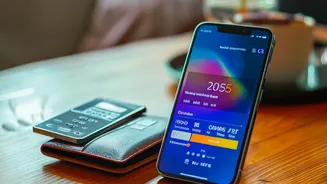
This is where budgeting apps come in. They are not just digital notebooks; they are smart financial assistants designed for the digital age. By securely linking to your bank accounts and reading transaction alerts, these apps automate the entire tracking process. Key features include automatic expense categorization, which sorts your spending into buckets like 'Food', 'Transport', and 'Entertainment' without any manual input. They provide a unified dashboard, giving you a complete, real-time overview of your financial health across all your accounts. You can see exactly where your money is going, moment by moment. This visibility is the first and most crucial step toward taking back control.
From Tracking to Taking Control
Modern budgeting apps do more than just show you where your money went; they empower you to direct where it will go. Features like bill reminders help you avoid late fees, while subscription trackers identify all your recurring payments, making it easy to spot and cancel the ones you don't need. You can set spending limits for different categories and receive real-time alerts when you're about to exceed your budget. This proactive approach transforms budgeting from a passive review of past mistakes into an active plan for future success. Many apps also include tools for setting and tracking financial goals, whether it's saving for a down payment, paying off debt, or building an emergency fund.