





The First Two Steps to Success
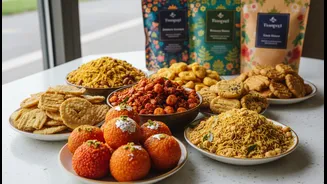
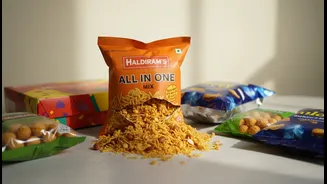
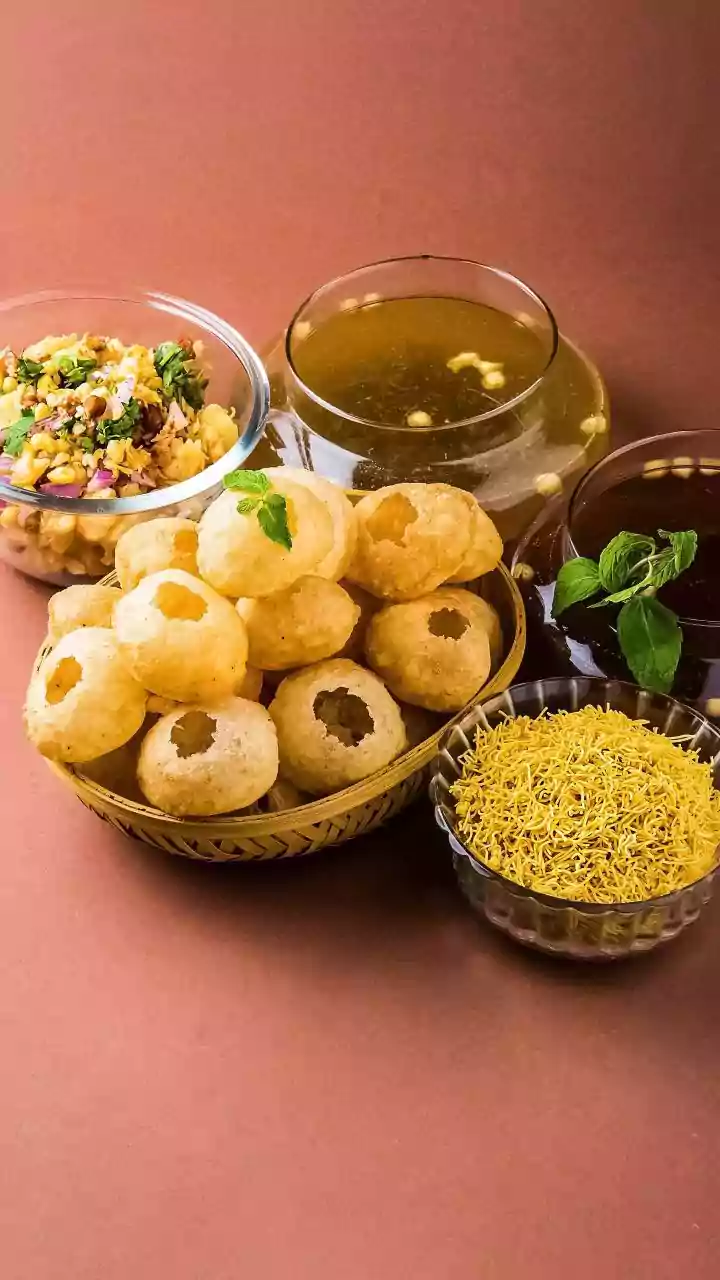
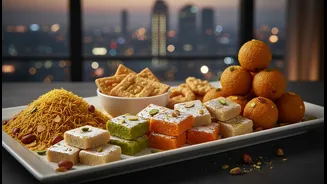
The global success of Indian snack brands like Haldiram's and Bikaji was built on a two-pronged strategy. First, they catered to the Indian diaspora—a loyal customer base in countries like the US, UK, Canada, and Australia seeking familiar tastes. This
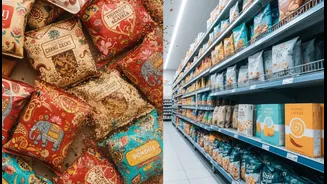
provided a solid foundation and a predictable revenue stream. The second step was local adaptation. This involved tweaking products to suit regional palates or developing new 'fusion' snacks, like masala-flavoured tortilla chips, to appeal to a broader, non-Indian audience. This strategy moved brands from the ethnic aisle toward the mainstream grocery shelf, a significant leap that saw snack exports double from 2019 to 2024.
Question 1: Can Supply Chains Handle Global Scale?
As brands move from exporting to a few key markets to becoming truly global consumer goods companies, their supply chains are being tested. Maintaining freshness, quality, and consistency across dozens of countries is a monumental task. The use of advanced packaging, like nitrogen flushing, was a key innovation that extended shelf life and enabled initial export growth. However, scaling this while navigating a complex web of international food safety regulations, certifications, and labelling laws is a new and significant challenge. Even minor labelling errors can lead to costly rejections of entire shipments, impacting not just profits but also brand reputation among overseas partners. A robust, traceable, and compliant supply chain is no longer just about logistics; it is a core competitive advantage.
Question 2: Mainstream Brand or Ethnic Staple?
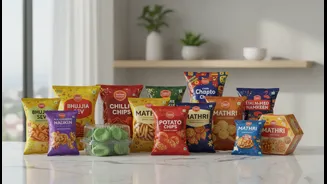
Indian snack brands now face a crucial identity crisis: should they aim to be a mainstream snack that happens to be from India, or should they double down on their authentic, ethnic identity? The initial strategy of moving products from the 'ethnic' to the 'mainstream' aisle has been successful. However, this raises new questions. Competing in the mainstream snack aisle means going head-to-head with global giants like PepsiCo, not just other Indian brands. This requires massive marketing budgets and a different promotional strategy. Conversely, retaining a strong 'Indian' identity can be a powerful differentiator, but it risks limiting the brand's appeal to a niche audience. Striking the right balance—highlighting heritage while creating a universally appealing product—is the next great branding challenge.
Question 3: How to Compete Beyond Price and Novelty?
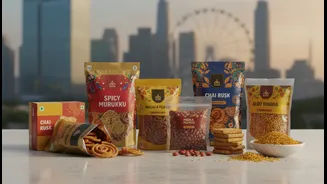
The novelty of Indian flavours in Western markets has been a significant growth driver. But as more players enter the market, both from India and from local companies creating their own 'Indian-inspired' products, relying on novelty alone is not a sustainable strategy. The next phase of competition will be fought on different grounds. This includes a focus on 'better-for-you' categories, such as baked, roasted, or millet-based snacks, which align with global health trends. It also means investing in innovation that goes beyond flavour, such as in sustainable packaging and clean-label ingredients, which are increasingly influencing consumer choices worldwide. Brands that successfully transition from being a tasty novelty to a trusted, quality product will be the ones that lead the market in the future.