





Redefining the Rest Day
For many, a rest day means completely avoiding physical activity. This is known as passive recovery, and while it has its place, especially during periods of extreme fatigue or injury, another approach often proves more beneficial: active recovery. Active
recovery involves low-intensity exercise performed on days following a strenuous workout. The primary goal is to increase blood flow to your muscles, which delivers essential oxygen and nutrients while helping to flush out metabolic waste products that contribute to soreness and stiffness. Studies suggest this gentle approach can help reduce muscle fatigue and soreness, preparing your body more effectively for your next intense workout. Think of it not as an 'off day', but as a productive part of your training schedule that actively supports your body's repair processes.
What Qualifies as Gentle Movement?
Gentle movement is any activity that keeps your body moving without placing significant stress on your muscles, joints, or nervous system. The key is low intensity and low impact. A good rule of thumb is the 'talk test': you should be able to hold a full conversation comfortably during the activity. If you find yourself breathless or straining, you’ve moved beyond gentle recovery and into a workout zone. The aim isn't to burn calories or push your limits, but to stimulate circulation and maintain mobility. It's about encouraging healing without causing additional stress or fatigue.
Your Gentle Movement Menu
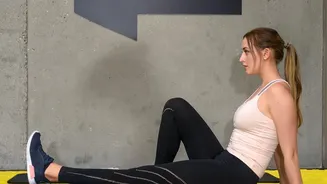
The best part about active recovery is the variety of options available, allowing you to choose something you genuinely enjoy. A 20 to 30-minute session is typically all you need. Consider adding some of these to your rest-day rotation: Walking: One of the most accessible forms of active recovery, a gentle walk is low-impact and effectively boosts blood flow. Gentle Yoga or Stretching: Focus on flows and poses that increase flexibility and release muscle tension. This can also provide mental benefits by reducing stress. Swimming or Water Walking: The buoyancy of water supports your body, taking the pressure off your joints, making it an excellent choice for sore muscles. Leisurely Cycling: A slow-paced bike ride on a flat surface can increase circulation in your legs without the high impact of running. Foam Rolling: Also known as self-myofascial release, using a foam roller can help release knots and tightness in your muscles, improving flexibility and reducing soreness.
How to Plan Your Active Rest Day
Integrating active recovery into your routine starts with listening to your body. If you're feeling exceptionally drained or in pain, complete rest might be the better choice. However, if you're just dealing with typical muscle soreness, a gentle session can make you feel better. Schedule your active recovery days between more intense training sessions. For instance, if you have strenuous workouts on Monday and Wednesday, Tuesday would be an ideal day for a walk or some light stretching. The goal is to finish your active recovery session feeling refreshed and energized, not more tired. It should be a restorative practice for both body and mind, helping you stay consistent and prevent burnout in the long run.