





Meet the 2026 Hunter’s Moon
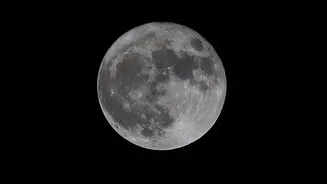
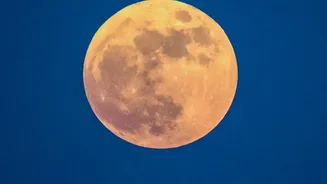
Every full moon has a traditional name, and the one following the 'Harvest Moon' is known as the Hunter's Moon. In 2026, the Hunter's Moon will reach its peak fullness on Monday, October 26. Its name comes from folklore and seasonal tradition. After farmers
had cleared their fields under the light of the previous Harvest Moon, the fields were left bare. The bright light of the next full moon would help hunters spot game more easily as they prepared for the coming winter. While the moon itself doesn't change, its name reflects the activities that were historically tied to the seasons.
The Crucial Role of the Equinox
To understand the Hunter's Moon, we first have to talk about the autumnal equinox. In 2026, the equinox falls on September 22. This is the moment when the Sun crosses the celestial equator, and day and night are of nearly equal length. The full moon closest to this date is named the Harvest Moon. In 2026, that will be the full moon on September 26. The Hunter's Moon is simply the next full moon after that. Its proximity to the equinox is the key to the special light effects we experience. This timing means the unique celestial mechanics that light up September evenings are still very much in play.
The Science of the 'Shallow Angle'
The magic behind the extended evening light lies in orbital geometry. Around the autumnal equinox, the ecliptic—the path the Sun, Moon, and planets appear to follow in our sky—makes its shallowest angle with the eastern horizon at sunset. Normally, the Moon rises about 50 minutes later each night. However, because of this shallow angle, the rising Moon’s position changes more horizontally than vertically. The result? For several consecutive nights around the equinox, the Moon rises only 25 to 30 minutes later each evening. This phenomenon is often called the 'Harvest Moon effect', but it also applies to the Hunter's Moon that closely follows.
How This Creates Enhanced Evening Light
With the moon rising so soon after sunset for several days in a row, there is no long period of darkness between the two events. As twilight fades, the landscape is almost immediately illuminated by the bright light of a full or nearly-full moon. This succession of brilliantly lit evenings is what the headline refers to as 'enhancing evening light rays'. It’s not that the moon's rays are physically stronger, but that the duration of bright light in the evening is extended. Before electric lights, this was a huge benefit for anyone working outdoors, from farmers to hunters. In 2026, the effect will be particularly noticeable during the Hunter's Moon because of how closely it follows the equinox.
Tips for Viewing the 2026 Hunter's Moon
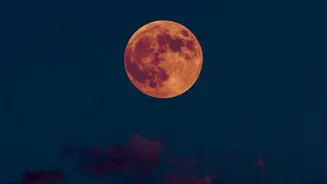
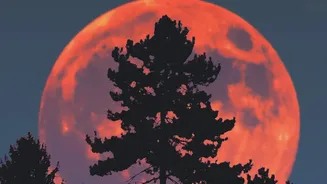
You don’t need any special equipment to enjoy this celestial show. The best time to watch will be on the evenings of Sunday, October 25, and Monday, October 26, 2026. For the most dramatic view, find a location with a clear, unobstructed view of the eastern horizon. Look for the moon to rise shortly after sunset. When it’s low on the horizon, atmospheric scattering will likely give it a stunning orange or reddish hue. This is the same effect that makes sunsets so colourful. Grab a blanket, find a comfortable spot away from bright city lights, and enjoy the prolonged twilight provided by this beautiful astronomical quirk.