





Why the Monsoon Messes With Your System
The arrival of the rains brings a significant shift in the environment, and our bodies feel it too. According to both modern science and Ayurvedic principles, the high humidity and reduced sunlight during the monsoon can dampen our metabolic rate, often
referred to as a weakened digestive fire or 'Agni'. This slowdown can lead to common complaints like bloating, indigestion, and a general feeling of heaviness. Simultaneously, the damp conditions are an ideal breeding ground for bacteria and viruses, increasing the risk of foodborne and waterborne illnesses. A potentially compromised immune system during this time makes us more vulnerable to these infections. This is precisely why turning to seasonal superfoods isn’t just a wellness trend—it’s a practical strategy to support your body when it needs it most.
Jamun: The Purple Powerhouse
One of the first fruits to arrive with the monsoon, Jamun (or Indian blackberry) is a true seasonal champion. Packed with Vitamin C and powerful antioxidants, it is excellent for bolstering your immune system. Its deep purple hue comes from anthocyanins, which help protect your cells from damage. Jamun is also known to aid digestion and is beneficial for gut health, helping to counteract the digestive sluggishness common in this season. Furthermore, it is low in calories and rich in iron and potassium, making it a perfect, nutrient-dense snack to enjoy while the rains pour down.
Ginger and Turmeric: The Immunity Duo
These humble kitchen staples become particularly powerful during the monsoon. Ginger is a warming spice that helps stimulate a sluggish digestive system and soothe an upset stomach. Its active compound, gingerol, has potent antioxidant and anti-inflammatory properties. Turmeric is celebrated for its active ingredient, curcumin, which is loaded with antifungal, antibacterial, and antiviral benefits—perfect for fending off seasonal illnesses. To maximize its absorption, it's often recommended to pair turmeric with a pinch of black pepper. A warm cup of ginger-turmeric tea can be a comforting and effective daily ritual to keep infections at bay.
Bitter Gourd (Karela): The Protective Green
While its bitter taste can be divisive, Karela is a vegetable that doctors highly recommend during the rainy season. Its bitterness is an indicator of its strong antiviral and antibacterial properties, which help cleanse the body of harmful gut bacteria that may enter through contaminated food or water. Bitter gourd is also packed with vitamins and antioxidants that support liver function and can help with slow bowel movements, another common monsoon woe. Lightly cooking it as a sabzi helps make its benefits more accessible.
Corn (Bhutta): The Quintessential Monsoon Snack
The sight of a streetside vendor roasting bhutta is a classic monsoon image, and it turns out this snack is nutritionally sound. Corn is high in fibre, which aids digestion and feeds the good bacteria in your gut. It also contains Vitamin B, folic acid, and antioxidants that help protect cells from damage. Opting for a roasted or steamed bhutta, seasoned simply with salt and lime, is a much healthier choice than indulging in heavy, fried snacks that can overburden your digestive system.
Gourds and Pulses: Light and Nourishing
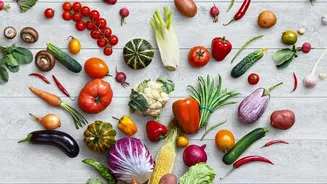
Heavy meals are best avoided during the monsoon. Instead, easily digestible foods like bottle gourd (lauki), ridge gourd (turai), and pointed gourd (parwal) are excellent choices. These vegetables are high in water content and fibre, making them easy on the stomach. Similarly, light pulses like moong dal are highly recommended. Whether prepared as a simple dal or a nourishing khichdi with rice, moong dal provides high-quality plant protein without feeling heavy, making it an ideal comfort food for a rainy day.