







The Monsoon Effect: A Perfect Storm for Germs
The monsoon season is characterised by high humidity and ambient moisture, creating an ideal breeding ground for bacteria, viruses, and fungi. When fruit is cut, its natural protective skin is removed, exposing its nutrient-rich and moist flesh to the
environment. In the damp conditions of the monsoon, airborne pathogens can multiply rapidly on these exposed surfaces. This significantly increases the risk of contamination compared to other seasons, turning a healthy snack into a potential source of foodborne illness. The longer cut fruit is left exposed, the higher the chances of harmful microbial growth.
The Water Contamination Question
A major concern during the rainy season is the increased risk of water contamination. Heavy rains can lead to overflowing drains and the mixing of sewage with public water sources, contaminating the water used to wash fruits. Fruits, especially those sold by street vendors, may be washed with this unsafe water, transferring pathogens like E. coli, Salmonella, and Vibrio cholerae directly onto the produce. These can cause serious waterborne diseases such as gastroenteritis, typhoid, cholera, and hepatitis A. Even if you wash fruits at home, it is crucial to use clean, potable water—preferably filtered or boiled—to avoid this risk.
Why Freshly Cut is Always Best
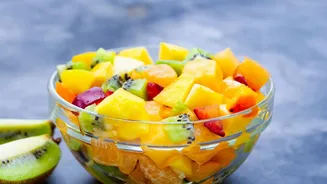
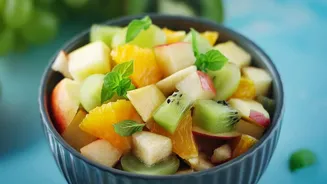
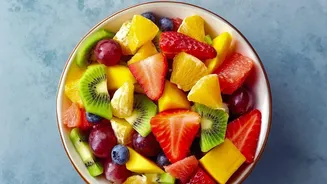
There's a significant difference between fruit cut moments ago and fruit that was sliced hours earlier and left in the open. Pre-cut fruits, commonly sold by street vendors, are highly susceptible to contamination from various sources including dust, flies, and unhygienic handling. Once the flesh is exposed, the process of oxidation begins, which not only degrades the fruit's nutritional value but also makes it more hospitable for bacterial growth. Consuming fruits immediately after they are cut minimises the window for contamination and ensures you receive the maximum health benefits. Whenever possible, opt for whole fruits that you can wash and cut yourself just before eating.
Your Guide to Safe Fruit Consumption
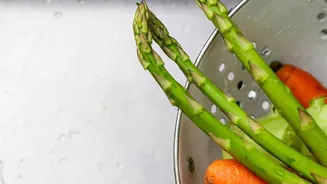
Enjoying fruits safely during the monsoon is about being mindful, not avoidant. Start by always washing your hands thoroughly with soap and water before handling any food. Wash whole fruits under clean, running water, even those with peels you don't eat, like bananas and melons, as contaminants on the skin can be transferred to the flesh by a knife. Use a separate, clean cutting board and knife specifically for fruits. After cutting, consume the fruit immediately. If you must store it, do so in a clean, airtight container in the refrigerator and consume it within a few hours.
Smart Storage Solutions
Proper storage is non-negotiable, especially in the damp monsoon weather. For whole fruits, wash and dry them thoroughly before storing, as excess moisture can accelerate spoilage. Store them in paper bags or in the refrigerator's crisper drawer to maintain freshness. Leftover cut fruits must be refrigerated promptly in sealed, airtight containers to prevent both contamination and moisture buildup, which fosters microbial growth. Never leave cut fruits at room temperature for extended periods. Regularly cleaning your refrigerator is also important to prevent the cross-contamination of food items.