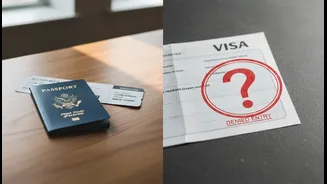









Why Delays and Cancellations Happen
The path to Mecca and Medina can be fraught with uncertainty. Visa delays and rejections are common hurdles, often stemming from simple errors or complex regulations. Common reasons include incomplete application forms, incorrect personal information,
or submitting documents that don't meet strict requirements. For instance, a small typo in a name or passport number can lead to an immediate rejection. Furthermore, Saudi authorities have tightened regulations, especially around the Hajj season, when Umrah visas are temporarily suspended to prioritize Hajj pilgrims. Attempting to use a tourist or visit visa for Hajj is now strictly forbidden and can result in significant penalties. Beyond official regulations, issues can also arise from unreliable third-party agents who may fail to book hotels or flights correctly, leaving travellers stranded.
Your Pre-Booking Checklist
Preparation is your first line of defence. Before committing to a package, thorough due diligence on your travel agent is crucial. The most important step is to ensure your agent is accredited by the Saudi Ministry of Hajj and Umrah. This authorization is a key indicator of legitimacy and means they are permitted to handle visa processing and other arrangements. Check online reviews and testimonials on Google and other platforms to gauge the agent's reputation and customer service record. Be wary of agents with overwhelmingly negative feedback or those who are difficult to contact. A reputable agent will have a physical office and be transparent about their pricing structure from the outset.
Get Everything in Writing
A verbal agreement is not enough. Your package deal should be documented in a clear, written contract. This document must transparently list every inclusion and its associated cost. Essential components of a comprehensive package include flights, accommodation details (including the specific hotel and its distance from the Haram), ground transportation between cities, and visa processing fees. Ensure the contract outlines the policy for delays and cancellations. What happens if your visa is rejected? What are the refund conditions? Having these terms in writing provides a legal footing if disputes arise later. Do not make any payment until you have a signed contract that you have read and understood completely.
Crafting Your Financial Backup Plan
Even with a reputable agent, unforeseen circumstances can occur. A financial safety net is not a luxury; it's a necessity. Start by purchasing comprehensive travel insurance as soon as you book your trip. Standard insurance included with the Saudi e-visa is often basic, with low coverage limits and no protection for trip cancellations. Opt for a supplementary policy that explicitly covers cancellations or interruptions due to visa rejection, illness, or other specified reasons. Policies with 'Cancel For Any Reason' (CFAR) offer the most flexibility, though they are more expensive. Beyond insurance, maintain a separate contingency fund to cover unexpected costs, such as having to rebook a flight or arrange last-minute accommodation if your initial plans fall through.
What to Do When Things Go Wrong
If you face a visa rejection or package cancellation, the first step is to identify the reason. Contact your travel agent immediately for clarification. If the rejection was due to a fixable error, such as a missing document, you may be able to correct it and reapply. If your agent is unresponsive or you suspect fraud, you can seek recourse. In India, the management of the Haj pilgrimage falls under the Ministry of Minority Affairs, which oversees the Haj Committee of India. While their primary role is managing the official Hajj quota, they can be a point of contact for significant grievances. For issues with private tour operators, lodging a complaint with consumer protection forums is another avenue. Keep a detailed record of all communications, payments, and documents to support your case.