

In the winding, treacherous roads of Arunachal Pradesh, a humble hero emerges. The shared Tata Sumo cab is more than just transport; it's a vital economic artery, connecting isolated communities and fueling the local economy in India's far east.
The Unofficial Lifeline of the Hills
Long before
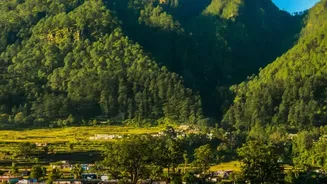
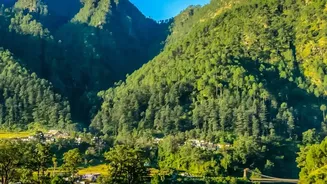
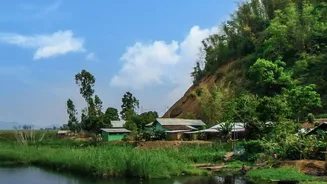
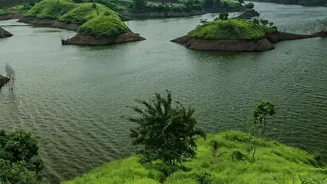
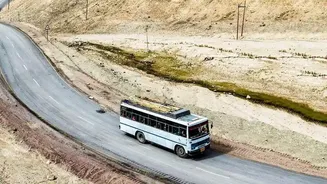
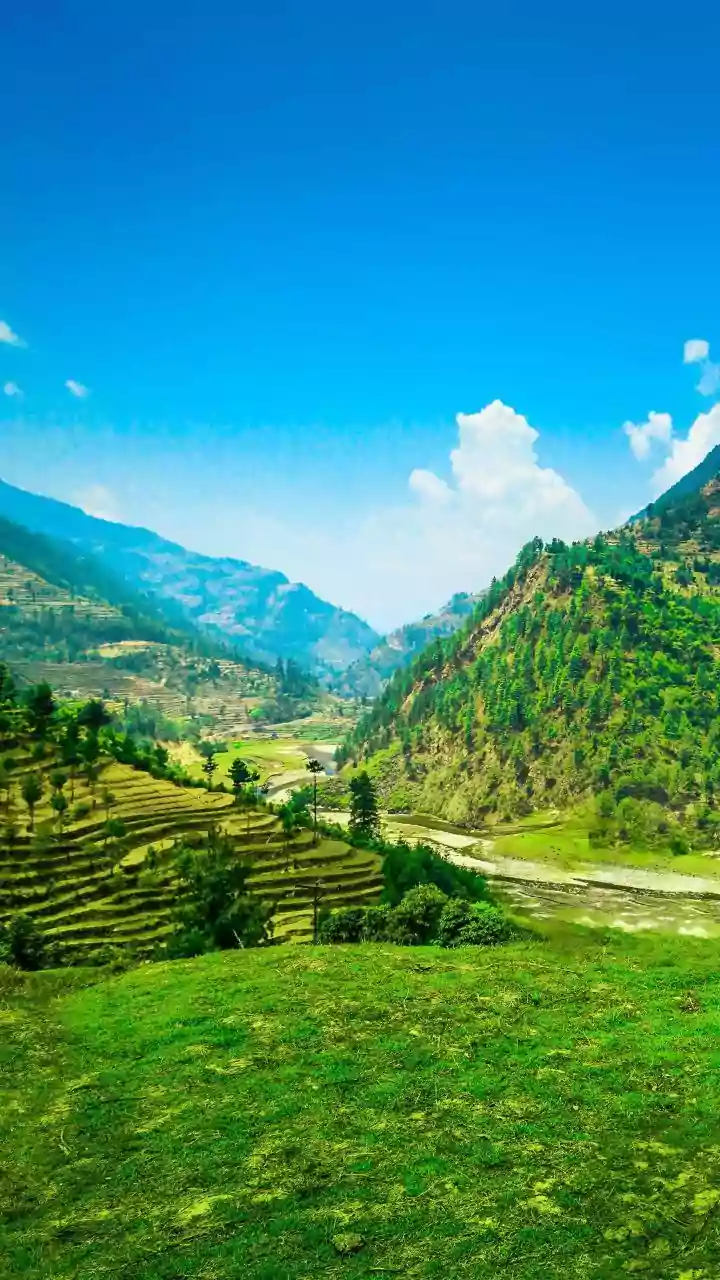
the sun fully illuminates the misty valleys, the engine of a Tata Sumo sputters to life. It’s a familiar sound across the remote landscapes of Arunachal Pradesh, from the outskirts of Tawang to the far-flung district of Anini. These are not just taxis; they are the region’s unofficial public transport system. Piled high with everything from LPG cylinders and sacks of rice to machine parts and occasionally a motorcycle, these ten-seater vehicles are a microcosm of life on the move. Inside, passengers are a diverse mix: a government official heading to a new posting, a student returning home for the holidays, a farmer travelling to the nearest market in Along (Aalo) or Roing, and a patient seeking medical care in a larger town. For a fare that typically ranges from a few hundred to a few thousand rupees depending on the distance, these shared cabs are the only viable link between dozens of 'offbeat' towns and the rest of the country.
An Economic Engine on Wheels
The economic impact of this informal network is profound. In a state where rugged terrain makes large-scale public transport like buses infrequent or non-existent on many routes, the Sumo is king. It enables a flow of commerce that would otherwise be impossible. Small-scale farmers from villages around Ziro can send their famously juicy kiwis and other produce to markets in larger towns. Artisans from the Memba tribe in Mechucha or the Idu Mishmi in Anini can access materials and, more importantly, connect with the growing number of tourists seeking authentic experiences. For many, the Sumo is the primary channel for sending and receiving goods, turning drivers into de facto couriers. This constant movement of people and products injects cash into local economies, supports small businesses, and creates a circular flow of income that sustains these remote communities. Without these shared rides, the cost of transport would be prohibitive for individuals, effectively cutting them off from economic opportunities.
Navigating a World of Challenges
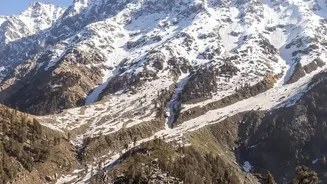
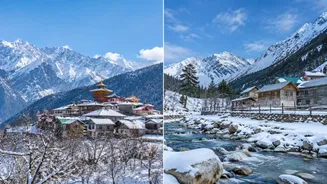
The journey, however, is rarely simple. The drivers of these Sumos are masters of some of India’s most dangerous roads. During monsoons, landslides are a constant threat, capable of cutting off routes for days or weeks at a time. In winter, high-altitude passes like the Sela Pass become treacherous with snow and ice. The roads themselves, often part of the Trans-Arunachal Highway network, can be in a state of perpetual disrepair, with potholes, erosion, and unpaved stretches that test the limits of both vehicle and driver. Accidents are a grim reality, with vehicles sometimes losing control on sharp bends or being struck by falling boulders. These challenges lead to frequent vehicle wear and tear, adding a layer of economic burden on the operators who are often a lifeline for their communities.
More Than Just a Ride
Beyond its economic function, the shared Sumo is a vital social institution. In a region where digital connectivity can still be a luxury, these vehicles serve as mobile community centres. News from distant villages, political gossip, job opportunities, and family updates are exchanged during the long hours on the road. Friendships are forged, and a sense of shared experience binds passengers together as they navigate the bumpy journey. In many towns, 'Sumo counters' or stands have become informal hubs of activity, though their unregulated nature has sometimes led to traffic congestion and calls for better organisation. The Sumo is not just a mode of transport but a thread in the social fabric, connecting people not just physically but also through the flow of information and camaraderie that defines life in the mountains.