






The Roar of Silence in India’s Reserves
The change is no longer theoretical; it is now the law of the land in some of India's most precious ecosystems. Following a Supreme Court ruling, tiger reserves across the country have implemented sweeping new rules aimed at curbing the excesses of wildlife
tourism. The decision was prompted by a series of alarming incidents, including viral videos of safari vehicles crowding tigers, creating stressful “safari jams” where tourists shouted and vied for the perfect shot. In response, mobile phones are now banned from core zones, and night safaris are prohibited. The logic is simple: by removing the sources of noise and distraction, the environment becomes less stressful for the animals and the experience becomes more authentic for visitors. Guides reported that WhatsApp groups were being used to coordinate vehicle pile-ups on tigers, turning a serene sighting into a chaotic scramble. These new regulations mark a decisive stand in favour of the wildlife, prioritising their well-being over the clamour for a selfie.
A New Ethic for Observation
This shift in India is part of a larger, global conversation about ethical wildlife tourism. For decades, the goal was often to get as close as possible, sometimes through baiting, riding, or other intrusive methods that put human entertainment before animal welfare. The new philosophy champions observation without interference. This means appreciating animals from a respectful distance, allowing them to go about their lives undisturbed. Research shows that even seemingly harmless activities like hiking can alter animal behaviour at distances of up to half a mile for larger mammals. When humans are silent and still, animals are more likely to exhibit their natural behaviours—foraging, playing, or simply resting. This not only protects the wildlife but also provides a more genuine and educational experience for the observer, moving beyond a simple checklist of sightings to a deeper understanding of the ecosystem.
The Technology of Stillness
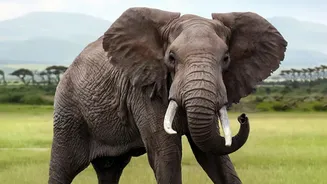
Innovation is also playing a key role in facilitating this quieter approach. Across Africa and now emerging in parts of Asia, “silent safaris” are becoming the new standard for luxury and eco-conscious lodges. These safaris utilise custom-built electric vehicles that glide through the wilderness with minimal noise and no exhaust fumes. Without the constant rumble of a diesel engine, the natural soundscape of the bush comes to the forefront. Visitors can hear the snap of a twig under a leopard’s paw, the distant call of a bird, or the low rumbles of elephants communicating—sounds that are normally drowned out. This heightened sensory experience makes the journey more immersive and less disruptive. Guides report that guests in silent vehicles are more attentive and connected to their surroundings, transforming the game drive from a passive viewing into an active listening session with nature.
A Deeper, More Mindful Connection
Ultimately, the movement toward quiet observation benefits people as much as it does wildlife. In a world saturated with digital noise and constant alerts, the practice of sitting still in nature has profound psychological benefits. Proponents of silent travel and quiet observation link it to mindfulness, reduced anxiety, and a more meaningful connection to the world around us. When the goal is no longer to capture and share every moment, but simply to be present, the experience is transformed. It fosters a sense of respect and awe that a quick photo cannot replicate. By giving wildlife the space and silence they need, we give ourselves a chance to truly see them. It reframes the encounter not as a transaction, but as a privilege—a quiet moment of shared existence that is far more valuable than any picture.