






Humidity's Double-Edged Sword
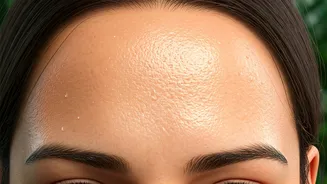
When the air is thick with moisture, it might seem like your skin is getting a free hydration treatment. However, high humidity can have the opposite effect. This environment can trigger your sebaceous glands to produce more oil, leaving your face feeling
greasy and shiny. This excess oil, combined with sweat that evaporates more slowly in humid air, can clog pores and create the perfect conditions for acne breakouts. People with already oily or acne-prone skin often find their conditions worsen during the rainy season, sometimes leading to what's known as “tropical acne”.
A Breeding Ground for Infections
The combination of warmth and constant dampness makes the monsoon season an ideal environment for bacteria and fungi to thrive. This increases the risk of various skin infections. Fungal issues like athlete's foot, jock itch, and ringworm become more common due to moisture trapped in skin folds or by damp clothing and shoes. These conditions often present as red, itchy, and scaly patches of skin. The humid air opens up pores, making them more susceptible to collecting dirt and allergens, which can lead to bacterial infections and rashes.
It’s Not Just Water in the Rain
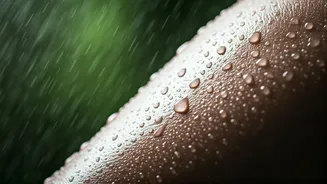
Rainwater isn't as pure as you might think. As raindrops fall, they collect pollutants from the atmosphere, such as dust, soot, nitrogen oxides, and other chemicals. When this polluted or mildly acidic rainwater comes into contact with your skin, it can disrupt its natural pH balance and weaken the protective skin barrier. This damage can lead to irritation, dryness, and increased sensitivity. Furthermore, these pollutants can generate free radicals, which cause oxidative stress, accelerating premature aging signs like wrinkles and dark spots.
How to Adapt Your Skincare Routine
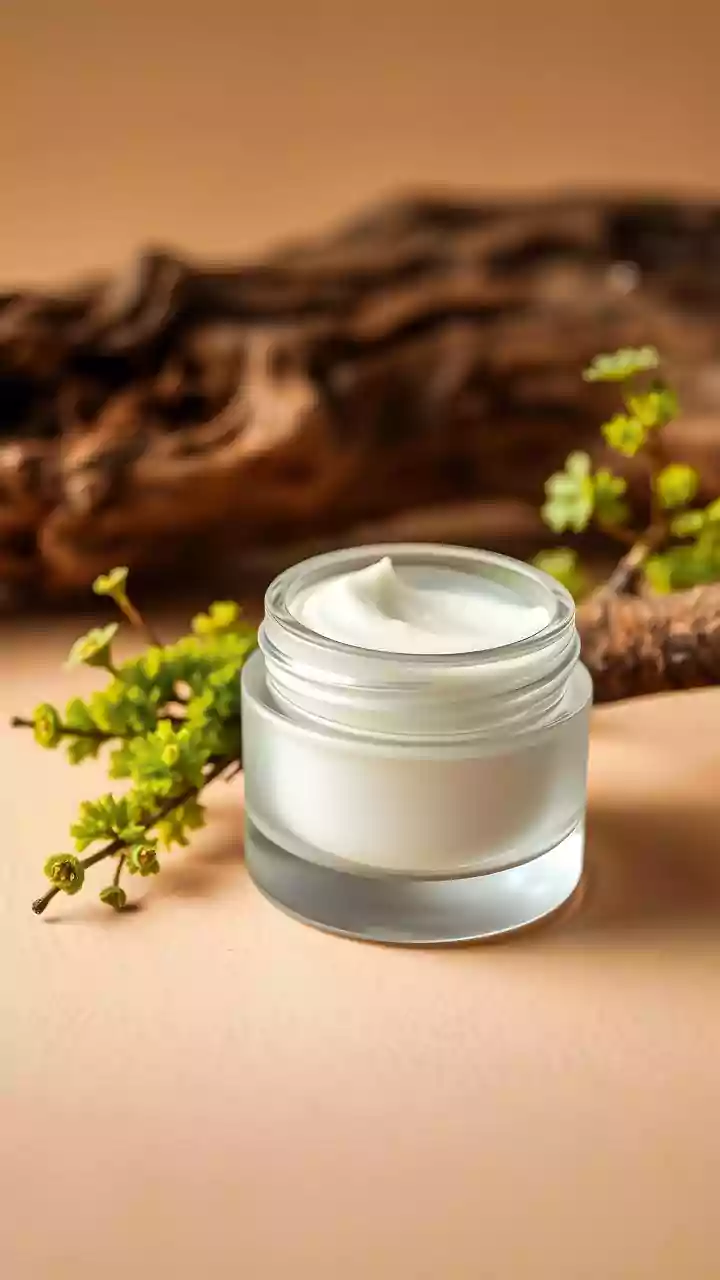
Navigating these challenges requires a few key adjustments to your daily regimen. Start by cleansing your face twice a day with a gentle, soap-free cleanser to remove excess oil and pollutants without stripping your skin. While it may feel counterintuitive, moisturising is crucial. Opt for a lightweight, non-comedogenic (non-pore-clogging) moisturiser to keep your skin hydrated and balanced. Skipping this step can actually cause your glands to produce even more oil to compensate. Gentle exfoliation once or twice a week will help slough away dead skin cells that can build up in the humidity and clog pores.
Don't Forget Sunscreen and Dry Clothes
One of the most common mistakes during rainy weather is skipping sunscreen. Clouds do not block all harmful UV rays; in fact, up to 80% can still penetrate through, causing long-term damage like premature aging and increasing the risk of skin cancer. Always apply a broad-spectrum sunscreen with at least SPF 30, even on the gloomiest of days. Beyond skincare products, simple lifestyle habits can make a huge difference. Change out of wet or damp clothes as soon as possible to prevent fungal growth. Wear loose-fitting, breathable fabrics like cotton to allow for better air circulation.