





In a world grappling with economic headwinds, the International Monetary Fund (IMF) has delivered a significant vote of confidence in India, upgrading its growth forecast and cementing its status as the world's fastest-growing major economy.
The Upgraded Forecast in Numbers
In its latest
World Economic Outlook report for October 2026, the IMF projected India's economy to grow by 7.0% for the 2026-27 fiscal year. This marks a substantial upward revision of 0.6 percentage points from its July forecast of 6.4%. The optimism extends into the next fiscal year, with the 2027-28 forecast also raised to 7.0%. This robust projection stands in stark contrast to the global outlook. The IMF forecasts global growth to slow to just 3.1% in 2026 before a modest recovery to 3.4% in 2027. India’s upgraded forecast places it far ahead of other major economies, including China, which is projected to slow to 4.5% in 2026.
Why India Is Bucking the Global Trend
The IMF attributes India's economic resilience to several key factors. The primary driver is 'stronger-than-expected momentum' powered by resilient domestic demand and robust services activity. Unlike many nations heavily dependent on global trade, India's large and expanding domestic market provides a powerful cushion against external shocks. This internal engine of consumption and investment has kept economic activity buzzing. Furthermore, the report highlights the positive impact of ongoing structural reforms and favourable demographics, which are seen as strengthening the country's long-term growth potential.
The Engine Room: Domestic Demand and Services
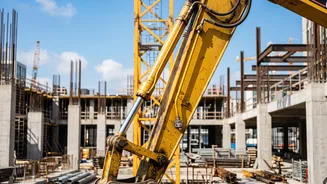
India’s growth story is fundamentally a story of its own consumption. Strong household consumption has been a consistent theme, supported by a growing middle class and increasing urbanisation. This is complemented by a significant push in government capital expenditure, particularly in infrastructure, which has a multiplier effect on the economy by creating jobs and demand for materials. The services sector, a cornerstone of the Indian economy, continues its strong performance, contributing significantly to the overall GDP. Recent data shows this momentum carrying through, with strong industrial output, high GST collections, and rising automobile sales indicating broad-based strength.
A World of Worries
The IMF's confidence in India is set against a backdrop of what it calls a 'fragile and uneven' global recovery. The world economy is contending with numerous pressures, including geopolitical conflicts that have led to higher and more volatile energy prices. Global inflation is projected to rise to 4.7% in 2026, squeezing household budgets and complicating monetary policy for central banks worldwide. The IMF report notes that while the global economy has been resilient, this resilience is 'under strain' and 'reaching its limits'. The uneven recovery means that while some countries benefit from trends like the AI investment boom, many energy-importing developing nations face a much tougher outlook.
Challenges on the Horizon
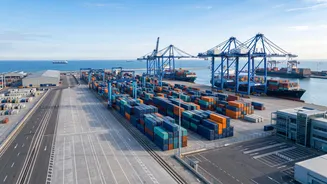
Despite the positive forecast, India is not entirely immune to global risks. As a major importer of crude oil, the economy remains exposed to elevated energy prices, which can fuel domestic inflation and widen the trade deficit. Persistent global uncertainty and slowing growth in key trading partners could also weigh on India's export performance, even though the external sector has shown resilience so far. The IMF's report serves as a reminder that while domestic strengths are currently winning out, policymakers must remain vigilant. Maintaining the growth momentum will require continued focus on managing inflation, sustaining the pace of reforms, and rebuilding fiscal buffers to handle any future shocks.