



Swap Your Umbrella for a Windproof Model
A basic umbrella is a monsoon staple, but it often fails in the face of strong winds and heavy downpours, especially in coastal or hilly areas. An upgrade to a sturdy, wind-resistant umbrella is a game-changer. These umbrellas are designed with reinforced
frames that won't easily invert or break, keeping you dry and avoiding the awkward struggle on a crowded street. For an even smarter choice, consider an inverted umbrella. It folds outwards, trapping water inside and preventing drips on car seats and floors when you get indoors.
Go Beyond Plastic Bags with Dry Bags
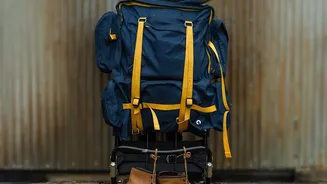
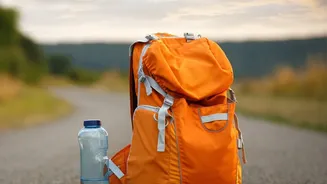
While ziplock bags are a classic hack for protecting electronics, they can tear and aren't completely foolproof against heavy rain. A true upgrade is investing in a set of lightweight dry bags or a high-quality waterproof phone pouch. Dry bags, popular with hikers and kayakers, use a roll-top closure to create a watertight seal, ensuring your phone, wallet, and power bank remain completely safe even if your backpack gets soaked. A dedicated rain cover for your backpack is another essential layer of defence.
Ditch Cotton for Quick-Dry Synthetics
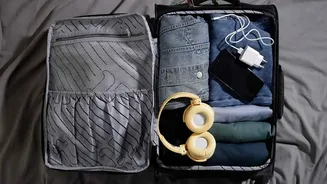
Cotton and denim are poor choices for monsoon travel; they absorb a lot of water and take ages to dry, leading to a damp, musty smell. The solution is to pack clothes made from synthetic or quick-dry fabrics like polyester or nylon blends. These materials wick moisture away from your body and dry incredibly fast, even in humid conditions. A key upgrade is a compact, quick-drying microfiber towel, which absorbs more water than a traditional towel and can be ready for reuse in just a few hours.
Create a 'Stuck in Traffic' Comfort Kit
Monsoon showers often lead to waterlogging and massive traffic jams. Being stuck in a car or bus for hours can be draining. Assemble a small pouch within your main bag containing a few essentials for this specific scenario. Include a fully charged power bank and cable, as power cuts can be common. Pack some non-perishable snacks like energy bars or nuts to keep your energy up. A small bottle of hand sanitiser and some wet wipes are also great for staying fresh when you're stuck.
Protect Your Feet with Smart Footwear Choices
Wet feet are not only uncomfortable but can also lead to fungal infections. While rubber floaters or sandals are a popular choice, an upgrade can provide more protection and safety. Consider waterproof shoes with a good grip to navigate slippery, potholed streets. A fantastic and affordable upgrade is a pair of silicone shoe covers. These stretchy, reusable covers slip over your regular shoes, keeping them completely dry and clean from mud and water. Always pack an extra pair of moisture-wicking socks and a small container of antifungal powder.
Enhance Your First-Aid Kit for Monsoon Ailments
Your standard first-aid kit needs a few monsoon-specific additions. The rainy season sees a spike in water-borne diseases and mosquito populations. Augment your kit with insect repellent, antiseptic wipes, and waterproof bandages. It's also wise to include oral rehydration salts (ORS) packets to combat dehydration, along with basic medicines for common ailments like colds, fevers, and stomach issues. Having these items on hand means you're prepared for minor health issues without needing to hunt for a pharmacy in the middle of a downpour.