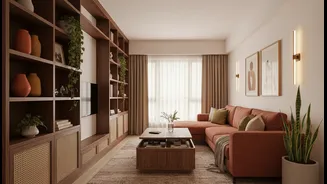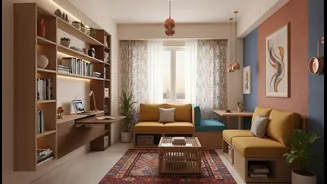


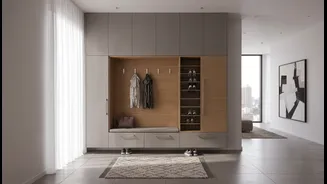
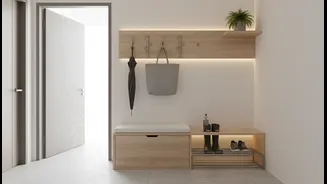
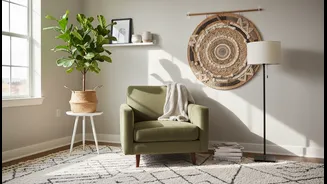


Embrace Wall-Mounted Storage
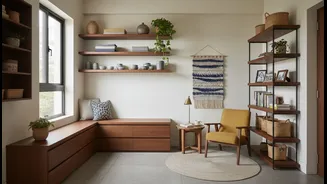
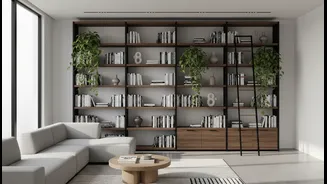
When floor space is scarce, your walls are your greatest asset. Traditional, bulky furniture can make a small room feel cramped. Instead, install floating shelves, wall-mounted desks, or even entertainment units. These pieces create a lighter, more open
feel because the floor beneath them remains visible, giving the illusion of a larger area. They are perfect for displaying books, plants, and decor without occupying a single square foot of your living space. In the kitchen, vertical racks for spices and pots can free up valuable counter space, making daily chores much more manageable.
Invest in Smart, Multifunctional Furniture
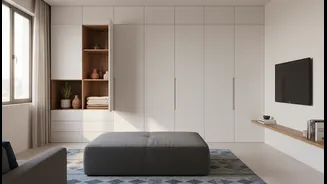
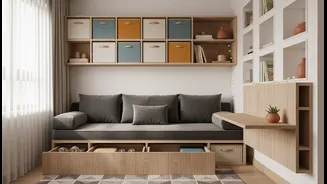
Modern furniture design for small homes is all about doing more with less. Consider pieces that serve multiple purposes. Loft beds or bunk beds are classic examples for children's rooms, freeing up the floor for a study area or play space. In the living room, a sofa-cum-bed is invaluable for hosting guests without needing a dedicated guest room. Other smart options popular in Indian homes include ottomans with hidden storage, nesting tables that can be expanded when needed, and beds with hydraulic lifts that reveal a large storage cavity underneath for seasonal clothes and extra bedding.
Go Modular for Ultimate Flexibility
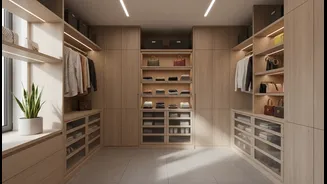
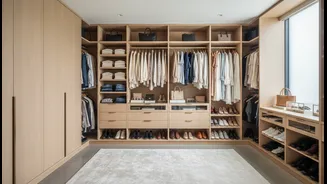
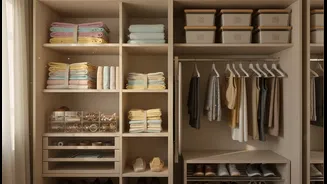
Modular furniture is a game-changer for renters and those with evolving needs. These systems consist of individual units that can be stacked, rearranged, and added to over time. Modular wardrobes allow you to start with a two-door unit and expand as your family grows, while modular shelving can be configured to fit any nook or corner. This adaptability means your furniture can move and change with you, which is a crucial consideration for urban renters who may not stay in one place for long. It's an investment in flexibility, allowing you to customise your storage vertically.
Utilise Overlooked Spaces
Every home has awkward, underutilised zones that are perfect for vertical storage. The space above door frames, in corners, or under a staircase can be transformed with clever solutions. Tall, narrow cabinets can fit into tight corners, providing a surprising amount of storage. The back of a door is another often-ignored area; hanging organisers can hold everything from shoes to cleaning supplies. Even the area above your kitchen cabinets can be used for items you don't access frequently. These small adjustments help ensure no potential storage space goes to waste.
Create a Vertical Garden
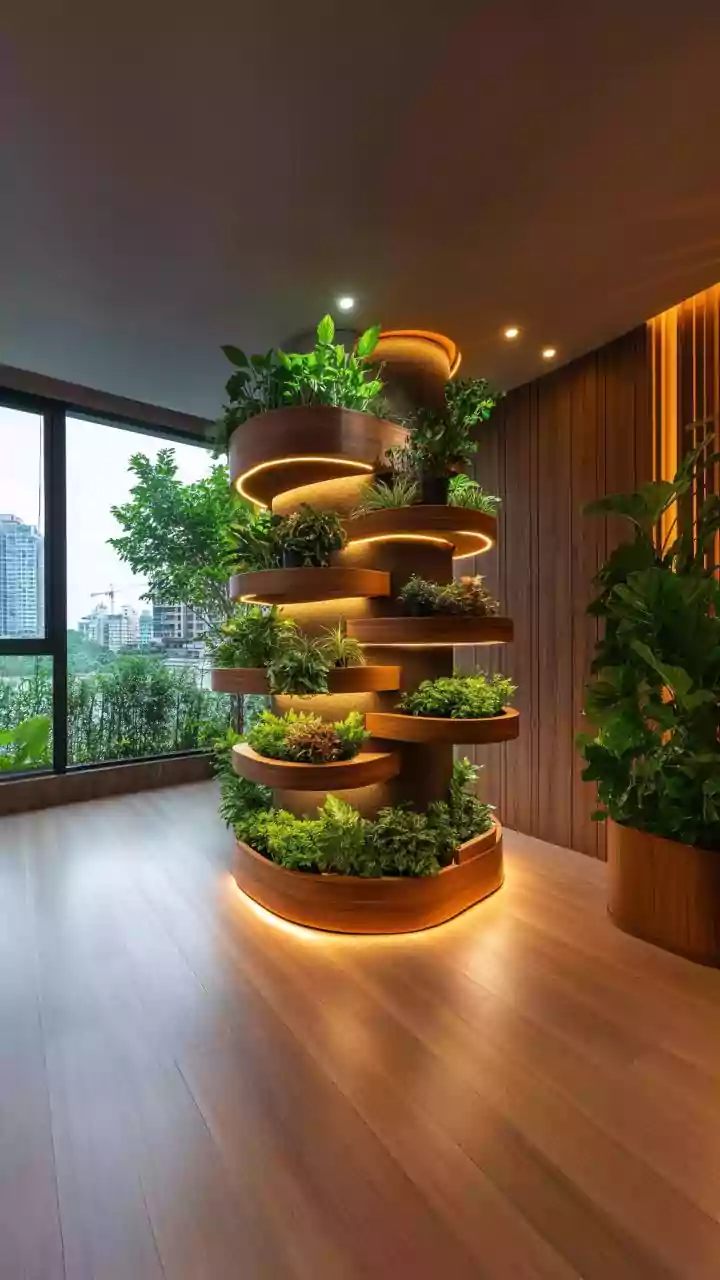
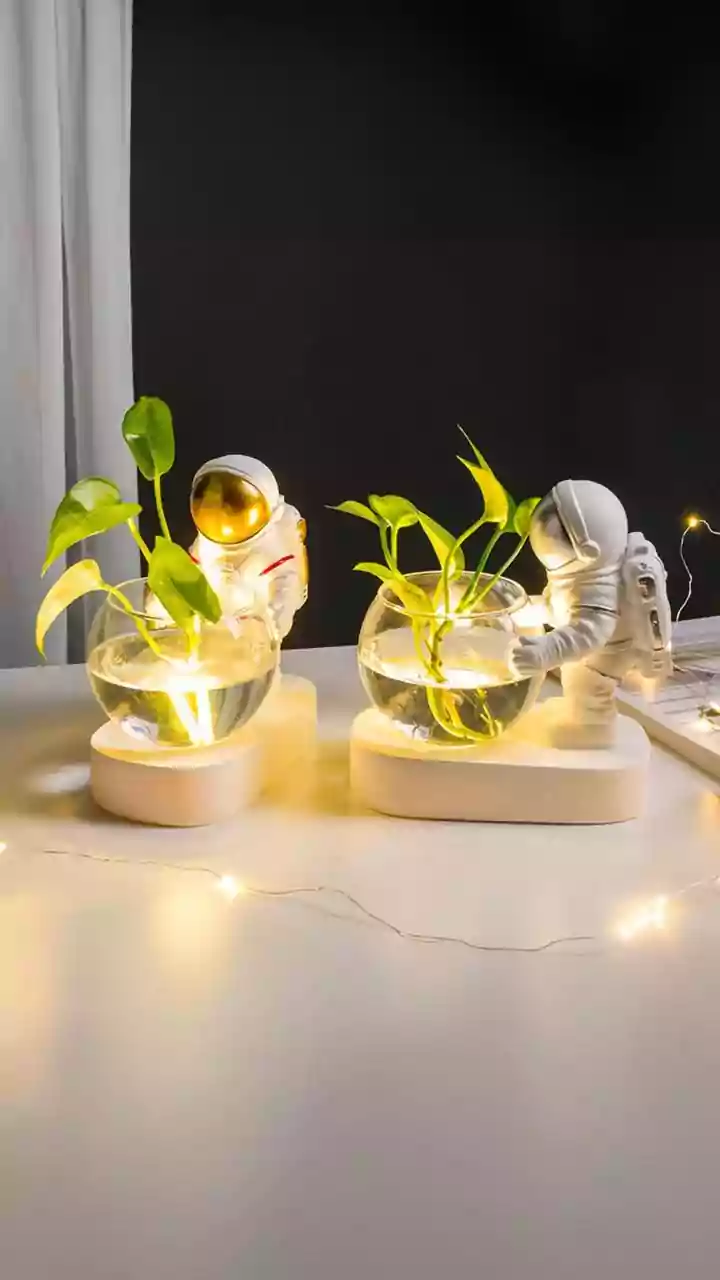
Adding greenery doesn't have to mean sacrificing floor space to bulky pots. Vertical gardens, or 'living walls', are a fantastic way to bring nature indoors, especially for those living in apartments with small balconies. You can use wall-mounted planters or tiered stands to grow herbs, flowers, or air-purifying plants. Not only do these green walls add a vibrant, decorative element, but studies show they can also help improve indoor air quality and reduce stress. It's a solution that benefits both your home's aesthetic and your well-being.
Draw the Eye Upward
Using vertical space isn't just about storage; it's also a powerful design trick. Accentuating the height of a room can make it feel more spacious. You can achieve this by hanging curtains higher and wider than the window frame, using tall and slender floor lamps, or creating a gallery wall with art that climbs towards the ceiling. These strategies guide the eye upward, creating an illusion of height and openness. Even a simple coat of light-coloured paint on the walls and ceiling can enhance this effect, making the room feel brighter and less confined.