



A Festival Steeped in Sweetness
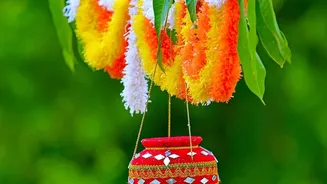
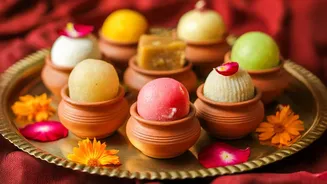
Janmashtami, celebrating the birth of Lord Krishna, is a festival of vibrant joy, midnight prayers, and, most importantly, food. The tradition of offering 'bhog' (food offered to a deity) is central to the celebrations. Lord Krishna’s legendary love for
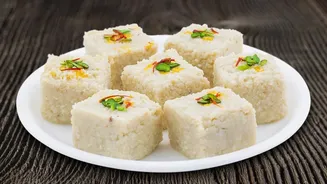
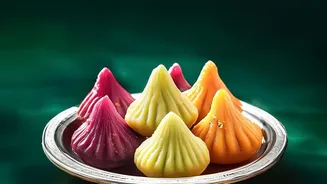
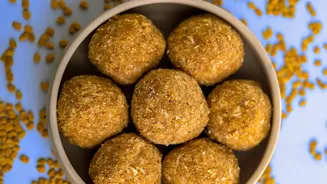
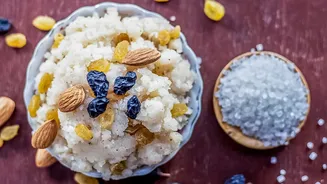
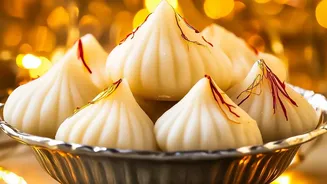
milk, butter, and sweets inspires a lavish spread, often featuring the 'Chappan Bhog' (56 dishes). Classic sweets like Dhaniya Panjiri, a roasted coriander powder delicacy, Makhan Mishri, and rich, creamy kheer are indispensable. These preparations are traditionally laden with ghee and refined sugar, embodying an indulgent spirit of divine offering and communal feasting. For generations, these recipes have been passed down, their richness a symbol of love and abundance.
A New Generation's Palate
Across India, a significant cultural shift is underway, particularly among millennials and Gen Z. Increased health awareness, accelerated by the recent pandemic, has put wellness at the forefront. Younger Indians are no longer just counting calories; they're scrutinizing ingredients, prioritizing gut health, and seeking balance in their diets. This mindful approach to eating has created a new demand: the desire to celebrate festivals with traditional fervour but without the guilt or health consequences of excessive sugar and refined ingredients. This isn't about rejection but re-evaluation, as a generation looks for ways to align their modern lifestyles with age-old traditions.
Reimagining Traditional Recipes
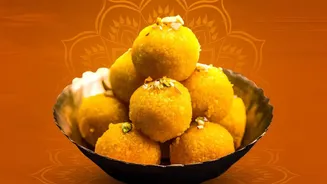
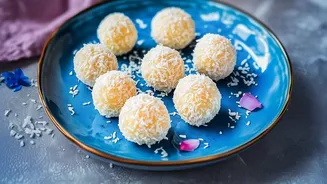
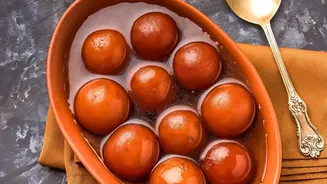
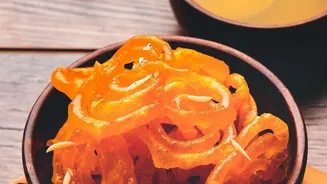
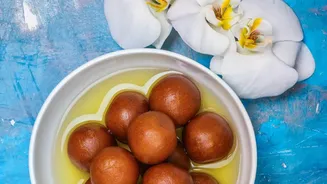
Enter the youth collectives, home chefs, and small-scale food entrepreneurs who are answering this call. They are deconstructing classic Janmashtami sweets and rebuilding them with a healthy foundation. Refined white sugar is the first to go, replaced by natural sweeteners like jaggery, date paste, figs, or even stevia. For instance, the beloved Panjiri is now often made with jaggery powder instead of sugar, retaining its earthy flavour while being gentler on the body. Ladoos are being crafted from oats, ragi, and amaranth, bound together with nuts and dates instead of sugar syrup. Other innovations include baked Gulab Jamuns instead of deep-fried ones and kheer sweetened with fruit purees or almond milk for a lighter touch. These are not just substitutions; they are thoughtful reinterpretations that aim to preserve the essence of the sweet while enhancing its nutritional profile.
More Than Just a Sweet Swap
This movement is about more than just reducing sugar content. It represents a deeper food philosophy that champions local, whole ingredients. Many of these young creators are rediscovering and popularising ancient grains like millets (ragi, jowar) and seeds, which have been part of Indian food traditions for generations but were sidelined by refined flours. There's a renewed focus on the inherent flavours of the core ingredients—the nuttiness of roasted gram flour (besan), the fragrance of cardamom, the richness of good-quality ghee—rather than masking them with overpowering sweetness. In a way, this modern, health-conscious approach is ironically leading a return to more ancestral and sustainable eating habits, where food was less processed and more connected to nature.
Keeping the Spirit of Bhog Alive
Does a ladoo made with oats and dates still count as a traditional offering? For the creators and consumers of these new-age mithais, the answer is a resounding yes. They argue that tradition is not static; it evolves to stay relevant. The core of the bhog offering is devotion and love, not a rigid adherence to a specific recipe. By making festive foods that a health-conscious devotee can eat without hesitation, these innovations are ensuring that the traditions of Janmashtami are not just preserved but are actively practised by a new generation. It’s about adapting the form to keep the spirit alive, ensuring that the joy of sharing prasad remains a central, inclusive part of the celebration for everyone, regardless of their dietary choices.