



Meet Sattu: The Original Superfood
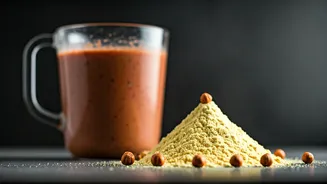
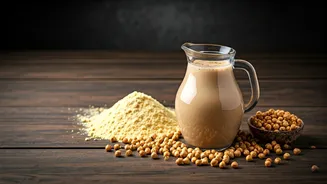
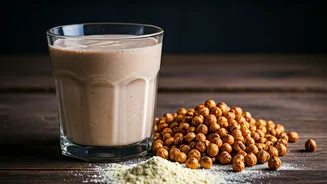
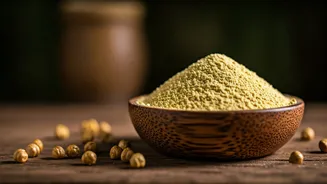
Before expensive tubs of whey and pea protein isolates became staples in every gym-goer’s bag, there was sattu. This ‘secret weapon’ is roasted chickpea flour, a powerhouse of nutrition that has been consumed in India for generations, particularly in states
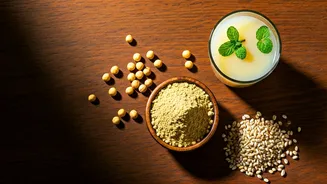
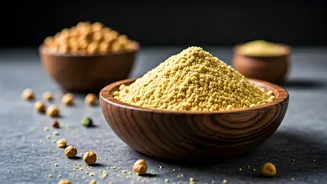
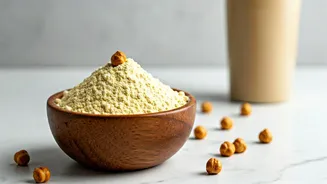
like Bihar, Jharkhand, and Uttar Pradesh. Made by dry-roasting Bengal gram (kala chana) and then grinding it into a fine powder, sattu is a whole food. Unlike many commercial protein powders that are highly processed and contain additives, sattu is simple, natural, and incredibly versatile. It has a unique nutty, earthy flavour and has long been valued as a cooling, energy-boosting food perfect for our climate.
The Protein and Fibre Punch
Let's talk numbers. A 100-gram serving of sattu typically provides around 20-25 grams of high-quality plant-based protein. While a single scoop of whey protein might offer slightly more, sattu delivers its protein alongside a host of other nutrients. Chief among them is dietary fibre—around 10-15 grams per 100g. This is a crucial advantage. The high fibre content aids digestion, promotes a healthy gut, and significantly increases satiety, meaning it keeps you feeling full and satisfied for longer. This can help prevent overeating and support weight management goals. It's not just protein; it's a complete nutritional package with complex carbohydrates for sustained energy release.
The Affordability Advantage
This is where sattu truly outshines the competition. A quick look at the market shows that a kilogram of a decent whey protein concentrate can cost anywhere from ₹2,000 to ₹4,000. Specialised plant-based protein blends are often priced similarly. In stark contrast, a kilogram of good quality sattu can be purchased for ₹150 to ₹250. When you calculate the cost per gram of protein, the difference is staggering. For the price of one tub of commercial protein powder, you could buy enough sattu to last for months. This makes it an incredibly accessible and sustainable option for students, young professionals, and anyone looking to boost their protein intake without straining their budget.
Beyond the Shake: Other Benefits
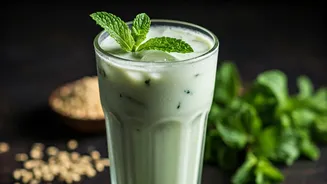
The benefits of incorporating sattu into your diet extend beyond muscle repair and affordability. It is rich in essential minerals like iron, manganese, and magnesium, which are vital for energy production and fighting fatigue. Being a low-glycemic index food, it releases sugar into the bloodstream slowly, preventing sharp spikes and crashes in energy levels. This makes it an excellent choice for diabetics or anyone monitoring their blood sugar. Furthermore, its traditional reputation as a cooling agent makes a sattu-based drink a refreshing and hydrating option during hot Indian summers, helping to protect the body from the effects of heat.
How to Make the Perfect Sattu Shake
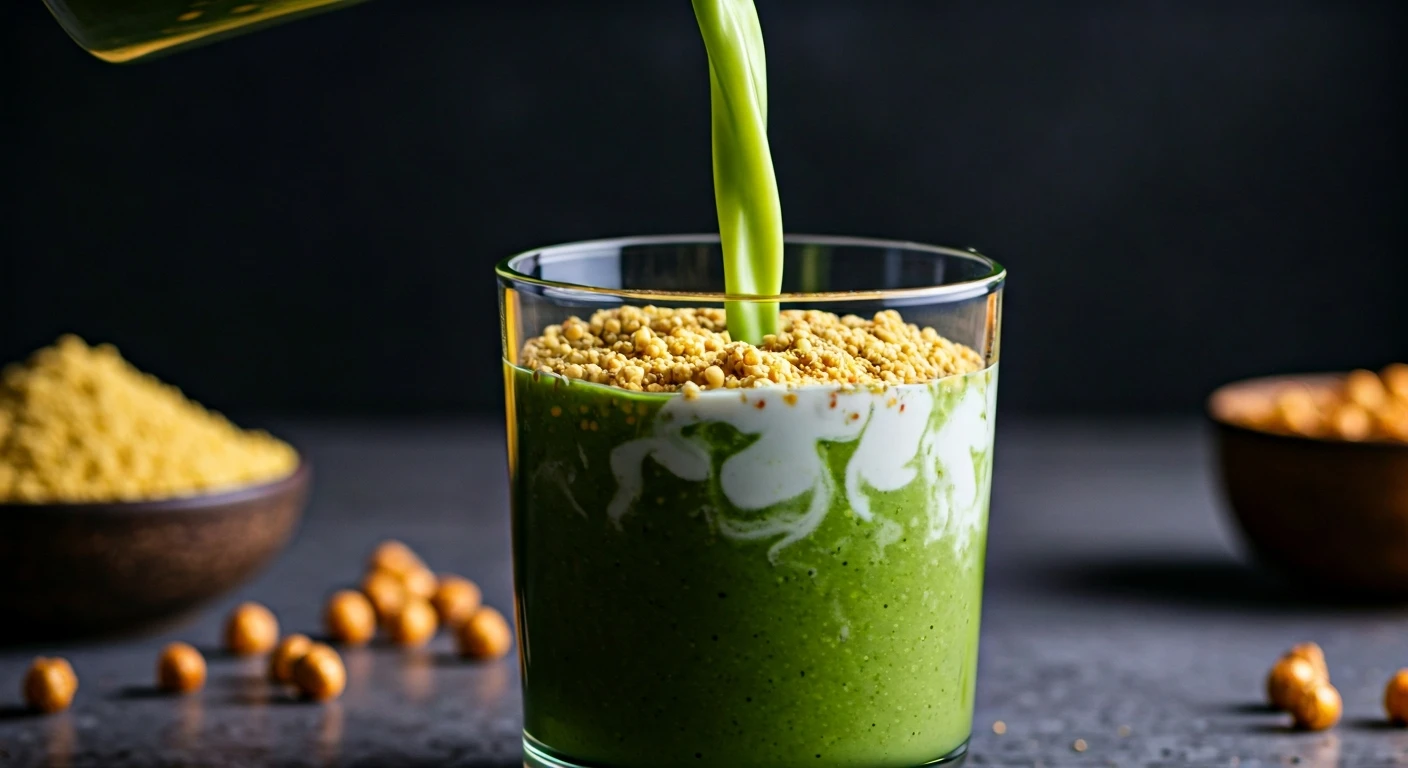
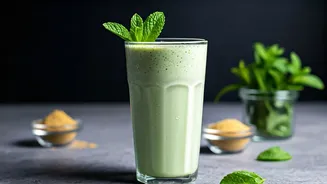
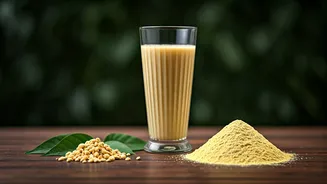
Blending sattu into a shake is incredibly easy. For a simple, effective post-workout drink, start with this basic recipe:
1. **Base:** 1 glass of cold water or milk (dairy or plant-based).
2. **Sattu:** 2-3 tablespoons of roasted chickpea flour.
3. **Sweetener (optional):** 1 teaspoon of jaggery, honey, or a pitted date for natural sweetness.
4. **Flavour:** A pinch of black salt (kala namak) and a squeeze of lemon for a traditional savoury taste, or a small banana and a pinch of cardamom for a sweet version.
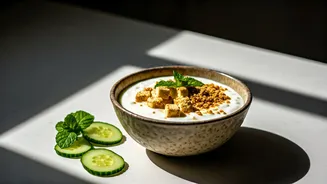
Blend everything until smooth. The flour can sometimes settle, so it’s best to drink it fresh. Sattu’s nutty taste pairs well with fruits like banana and mango, and it can also be mixed with yoghurt to make a thick, lassi-like drink. Don't be afraid to experiment with your own additions like nuts, seeds, or a dash of cocoa powder.