




The 'Calcium Paradox'
The 'calcium paradox' refers to a situation where there is a lack of calcium in the bones, leading to osteoporosis risk, while at the same time, there's an excess accumulation of calcium in soft tissues like arteries and kidneys. This misplacement of calcium can
be problematic. In blood vessels, it can contribute to arterial stiffness, while in the kidneys, it can lead to the formation of crystals and calcification. This is where Vitamin K2 steps in, playing a crucial role in ensuring calcium gets to where it's needed—your bones—and stays out of places where it could cause harm.
The Body's Traffic Cop for Calcium
Vitamin K2's main job in this process is to activate specific proteins that control calcium movement. Think of it as switching on the body's internal GPS for calcium. Without enough K2, these proteins remain inactive and cannot do their jobs effectively. There are two key proteins at the heart of this process: Matrix Gla Protein (MGP) and osteocalcin. Activating these proteins is how K2 performs its dual function of protecting soft tissues and strengthening bones.
Protecting Kidneys with Activated MGP
Matrix Gla Protein, or MGP, is described by scientists as one of the most powerful inhibitors of soft tissue calcification. It is secreted by cells in the walls of blood vessels and other soft tissues, including the kidneys. However, MGP is only effective when it is 'activated', a process that is entirely dependent on Vitamin K2. Once activated, MGP binds to calcium crystals and helps prevent them from forming and accumulating in delicate kidney tissues and blood vessels. Studies have shown that low levels of activated MGP, often a sign of Vitamin K deficiency, are associated with higher risks of vascular calcification, a significant concern for kidney health.
Building Bones with Activated Osteocalcin
While MGP is busy keeping calcium out of soft tissues, another K2-dependent protein, osteocalcin, is doing the opposite in your skeleton. Osteocalcin is produced by osteoblasts, your bone-building cells. Its job is to bind calcium and deposit it directly into the bone matrix, the very framework that gives your bones their strength and density. But just like MGP, osteocalcin needs Vitamin K2 to become active and perform its function. Without sufficient K2, osteocalcin remains inactive, and the calcium flowing through your bloodstream may not be efficiently integrated into your bones, potentially weakening them over time.
Finding Vitamin K2
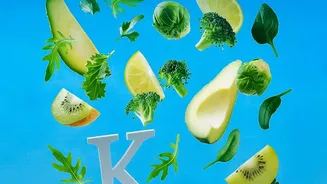
There are two main forms of Vitamin K2: MK-4 and MK-7. MK-4 is found in animal products like egg yolks, butter from grass-fed cows, and organ meats like liver. Your body can also convert some Vitamin K1 (from leafy greens) into MK-4, though this process can be inefficient. MK-7 is produced by bacteria and is found in fermented foods. The richest source is natto, a traditional Japanese dish of fermented soybeans. Hard cheeses and sauerkraut also contain some MK-7. These two forms have different properties; MK-7, for instance, stays in the body longer, potentially offering more sustained benefits.