





A Symphony for the Senses
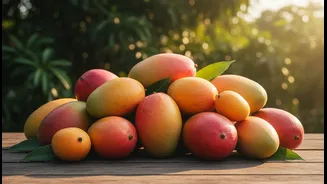
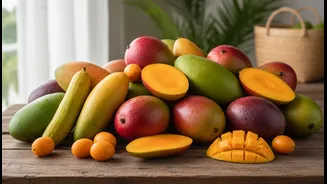
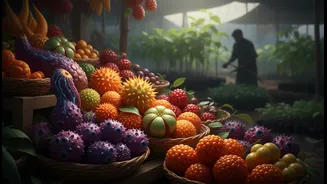
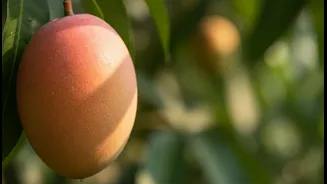
Step into a mango festival, and you are greeted by a dazzling spectacle. Hundreds of varieties are on display, a vibrant mosaic of greens, yellows, oranges, and reds. The air is thick with a perfume that is floral, sweet, and sometimes surprisingly tangy.
Visitors navigate stalls, tasting slices of fruit that range from buttery soft to fibrous and from honey-sweet to sharply acidic. These events, like Delhi Tourism’s Aam Mahotsav or community-led festivals in Maharashtra, are more than just markets; they are sensory showcases of India’s incredible agricultural wealth. They offer a rare chance to experience the sheer breadth of mango varieties, most of which never reach mainstream consumers who may only know a handful of commercial types.
A Living Library of Flavours
This staggering variety is the heart of the matter. India is home to over a thousand types of mangoes, each with a unique flavour profile, aroma, and texture. This is what scientists call biodiversity—the variety of life in a particular habitat. At a mango festival, this abstract concept becomes deliciously tangible. You can taste a pickle-perfect Appemidi from Karnataka, a sugary Chakkaraguttulu from Andhra Pradesh, or a Dasheri with its deep roots in Uttar Pradesh's heritage. Many of these are heirloom varieties, passed down through generations of farmers, often grown from seedlings rather than grafts. Festivals act as living libraries, showcasing these genetic treasures that are often ignored in commercial markets favouring uniformity.
The Keepers of a Legacy
Behind every rare mango is a custodian farmer. These are the men and women who maintain multi-variety orchards, not just for market profit but for tradition, home consumption, and a love for the fruit's diverse qualities. These orchards are crucial 'on-farm' conservation sites, acting as field gene banks that protect a vast pool of genetic resources. Organisations like the Society for Conservation of Mango Diversity empower these farmers, helping them recognise the value of their unique crops and encouraging their preservation. Mango festivals provide a vital platform, connecting these farmers directly with connoisseurs and consumers who are willing to pay a premium for unique, traditional varieties that might otherwise be lost.
More Than a Matter of Taste
Preserving this diversity is not just about nostalgia or culinary adventure; it’s critical for our future. Genetic variety is a crop's best defence. A wider gene pool offers resilience against emerging diseases, pests, and the unpredictable effects of climate change. While monocultures of a few popular varieties are efficient, they are also dangerously vulnerable. If a new disease were to strike a widely planted commercial type, the lack of diversity would be devastating. Heirloom varieties hold genetic traits—like drought tolerance or pest resistance—that could be invaluable for future breeding programs, ensuring the 'king of fruits' can adapt and survive.