



The Post-Monsoon Advantage
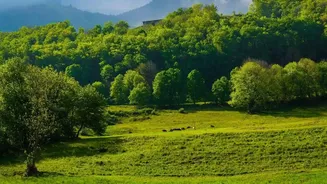
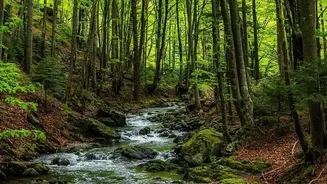
August is a time of renewal in the Indian wilderness. The monsoon rains wash the dust from the landscape, leaving behind a world of lush, emerald green. This isn't just a visual treat; it's a critical shift in the ecosystem. Water sources are replenished,
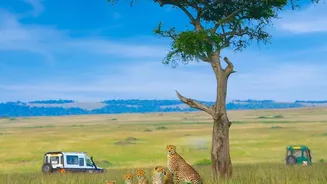
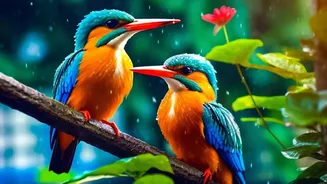
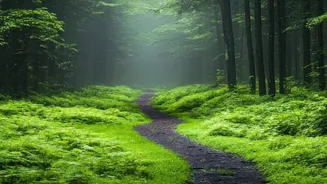
vegetation is dense, and the air is clean and crisp. For wildlife, this means abundance. For explorers, it means fewer crowds and a more immersive experience. While the peak season for spotting big cats is often the hot summer when animals gather at scarce waterholes, August offers a different kind of charm: a chance to see the jungle at its most vibrant and alive. The dramatic, misty backdrop and the melodies of birdsong create an atmosphere straight out of a storybook.
Destinations Open for Adventure
A common misconception is that all national parks close during the monsoon. While it's true that the core zones of many famous tiger reserves are inaccessible due to heavy rains and washed-out roads, several parks and sanctuaries across India remain fully or partially open, offering unique safari experiences. From the high-altitude deserts of Ladakh to the rain-soaked forests of the Western Ghats, there are incredible options for those willing to embrace the season. It’s always crucial to check the official status of specific zones before planning your trip, as conditions can change. Some parks keep their buffer zones open, providing excellent opportunities for wildlife sightings.
Southern Gem: Periyar National Park, Kerala
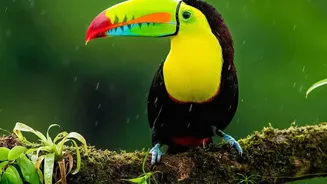
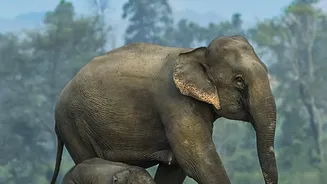
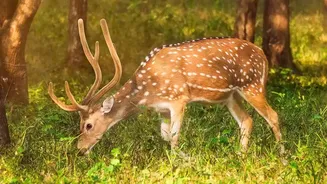
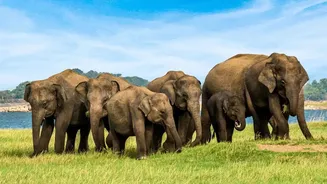
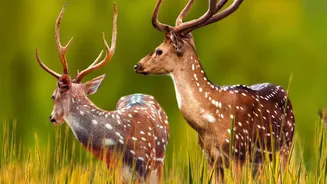
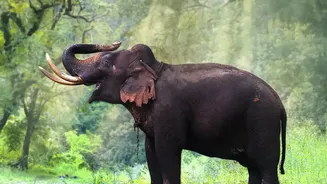
Periyar National Park in Kerala is a standout destination because it remains open all year. In August, the park is a vision of greenery. The experience here is unique, with boat safaris on Periyar Lake being the primary way to view wildlife. From the deck of a boat, you can watch herds of elephants bathing and socializing by the water's edge, a common and heartwarming sight. The park is also home to sambar deer, Indian bison (gaur), and a rich variety of birds like the great Malabar hornbill and kingfishers. While tiger sightings are rare due to the dense foliage, the overall biodiversity and the serene, misty landscape make Periyar an unforgettable August destination.
High-Altitude Marvel: Hemis National Park, Ladakh
For a completely different kind of August adventure, head to Hemis National Park in Ladakh. Situated at a high altitude, this region receives very little rainfall, making it an ideal monsoon-season escape. August is considered a great time for trekking and wildlife spotting here. Hemis is globally renowned as the 'Snow Leopard Capital of the World'. While spotting this elusive cat is a challenge, the park is also home to other fascinating species like the Tibetan wolf, blue sheep (bharal), Himalayan marmot, and the Eurasian brown bear. The rugged, breathtaking terrain combined with the chance to see rare high-altitude wildlife makes Hemis a truly special choice for intrepid explorers.
Partially Open Parks: Ranthambore and Nagarhole
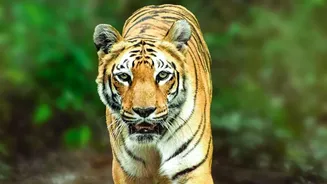
Several premier tiger reserves keep buffer zones open for safaris. Ranthambore National Park in Rajasthan, for instance, allows safaris in zones 6 through 10 during the monsoon. These areas become incredibly green and beautiful, offering a different perspective of the otherwise arid landscape. Nagarhole National Park in Karnataka, part of the Nilgiri Biosphere Reserve, also remains accessible. The backwaters of the Kabini reservoir are a hotspot for elephants and, with luck, you might spot a tiger or leopard near the water's edge. These parks provide a chance to see India's iconic wildlife against a backdrop of monsoon splendour.
Tips for Your August Exploration
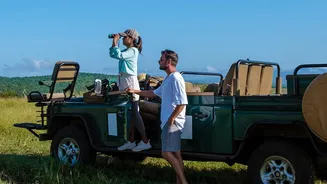
Exploring forests in August requires some specific preparation. The trails will likely be muddy and slippery, so sturdy, waterproof trekking shoes with excellent grip are essential. Insect repellent is a must, as the post-monsoon environment is ripe for bugs. Wear quick-drying clothing in earthy tones to blend in with the surroundings. Always carry a good raincoat and waterproof covers for your electronic gear. Given that park accessibility can vary, it is vital to contact the park authorities or your tour operator to confirm which zones are open before you travel. Hiring a local guide will not only enhance your safety but also significantly increase your chances of spotting wildlife.