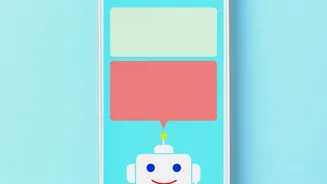









The Rise of the Automated Professional
Scroll through LinkedIn today, and you might notice a distinct pattern. A bold hook, a short anecdote, a few bullet points, and a concluding question. This structure has become ubiquitous, and generative AI is a primary reason. Tools that help draft posts,
refine tone, and structure narratives in seconds offer an appealing shortcut for busy professionals looking to maintain a consistent online presence. Some studies from 2025 indicated that over half of the platform's long-form content was likely AI-written. This efficiency, however, has led to what many users call 'AI slop'—a flood of content that sounds polished but often lacks genuine, personal insight. The result is a feed that can feel like an echo chamber, where countless posts read as if they were generated from the same template, eroding credibility.
An Arms Race for Attention
The argument for using AI is rooted in efficiency and necessity. Building a personal brand is now seen by many as a crucial career investment. AI tools can help brainstorm ideas, overcome writer's block, and ensure a steady stream of content, which is essential for staying visible on a crowded platform. However, this has created what some describe as an arms race. As more companies and individuals use AI to generate posts and even comments, the overall quality bar drops. When everyone can produce decent-sounding content instantly, it becomes a commodity. This surge in volume makes authentic voices harder to hear and has prompted LinkedIn to act. The platform has begun to suppress content that its systems flag as generic and lacking perspective, reducing its reach. Recent updates have even targeted AI-generated comments to ensure users see higher-quality conversations.
The Authenticity Backlash
The core of the debate is a growing desire for authenticity. Professionals use LinkedIn to connect with real people and gain insights from their lived experiences, not to read what feels like a chatbot transcript. The problem isn't necessarily the use of AI as a tool but its use as a replacement for human thought. AI can't replicate the trust and relationships that genuine engagement builds over time. This has created a catch-22: many users feel the pressure to create polished, frequent posts to stay relevant, even as they cringe at the inauthenticity it promotes. In response, LinkedIn has rolled out features allowing users to flag content as 'AI slop', signalling a push to reward more human-centric content. The platform's editor-in-chief, Dan Roth, has stated that what truly works on the platform is 'being human'.
The Fine Line of Self-Promotion
The AI debate is intertwined with a long-standing complaint about LinkedIn: excessive and cringeworthy self-promotion. While showcasing achievements is a part of professional networking, users have grown tired of 'humble-bragging' and a constant stream of personal accolades that feel inauthentic. Research has shown that feigned modesty can backfire, triggering more negative reactions than straightforward bragging. The goal isn't to stop talking about your wins, but to do so effectively. Experts suggest a 'brag-but-add-value' formula, where personal achievements are paired with actionable insights that benefit your network. However, many fall into the trap of making every post a sales pitch, which causes audiences to tune out. AI can amplify this issue by making it easier to churn out low-value promotional content, further diluting the feed with noise.