







Understanding the Science of Satiety
Satiety is the feeling of fullness and satisfaction that persists after eating, helping to control your appetite until the next meal. This feeling isn't random; it’s a complex process regulated by the gut-brain axis. When you eat, your digestive system
sends signals to your brain. Hormones like ghrelin, known as the 'hunger hormone', decrease, while hormones that signal fullness, such as PYY and GLP-1, increase. The types of nutrients you consume play a major role in how strong and lasting these signals are. Foods rich in certain macronutrients can slow down digestion and promote a longer, more stable release of energy, keeping you satisfied and preventing the blood sugar crashes that trigger cravings.
The Power Duo: Why Fiber and Protein Work Together
While many nutrients contribute to feeling full, protein and fiber form a particularly effective team. Think of them as attacking hunger from two different but complementary angles. Protein is widely considered the most satiating macronutrient. It directly influences your hunger hormones, telling your brain you’re full. It also takes longer for your body to digest, providing a steady supply of energy. Fiber, the unsung hero of appetite control, works physically. Soluble fiber, found in foods like oats, beans, and apples, absorbs water and forms a gel-like substance in your stomach. This process slows down gastric emptying—the rate at which food leaves your stomach—and adds bulk to your meal without adding excess calories. This means you feel physically fuller for a longer period. When combined, this duo provides both the hormonal signals of satisfaction and the physical sensation of fullness, making them far more powerful together than apart.
The 'Rule' Explained as a Guideline
The 'fiber-to-protein ratio rule' is less of a strict mathematical formula and more of a strategic guideline for building your meals. The core principle is to ensure that every meal and significant snack contains a meaningful source of both protein and dietary fiber. While there isn't a single magic number, a helpful framework to aim for involves incorporating a substantial amount of each nutrient. For example, some experts suggest aiming for around 20-30 grams of protein per meal to effectively trigger satiety signals. For fiber, a daily goal is about 25 grams for women and 38 grams for men. Instead of getting bogged down in precise calculations, start by consciously pairing protein-rich foods with fiber-rich ones. This simple act of combining these two nutrients is the foundation of the rule.
Putting the Principle into Practice
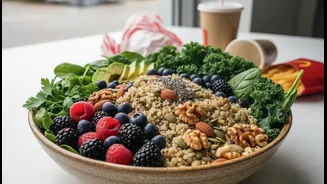
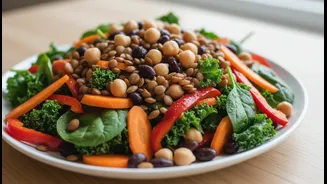
Applying this guideline is simpler than it sounds. It’s about making smart swaps and additions to what you already eat. For breakfast, instead of having just toast, have a vegetable omelette (protein from eggs, fiber from veggies) with a slice of whole-grain toast. For lunch, a simple bowl of dal (lentils, a source of both protein and fiber) with brown rice and a side salad is a perfect example of this principle in action. Snacking can also be optimised. Instead of a packet of chips, try a bowl of Greek yogurt or curd topped with fresh fruit and a sprinkle of chia seeds. This combination delivers high-quality protein from the yogurt and ample fiber from the fruit and seeds. Other powerful pairings include chickpeas with roasted vegetables, paneer or tofu stir-fried with leafy greens, or a simple handful of almonds with an apple.
Building a Satiety-Focused Plate
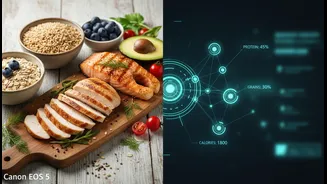
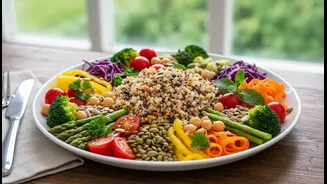
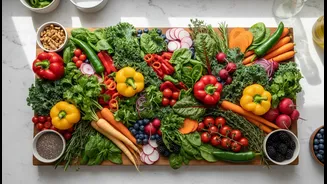
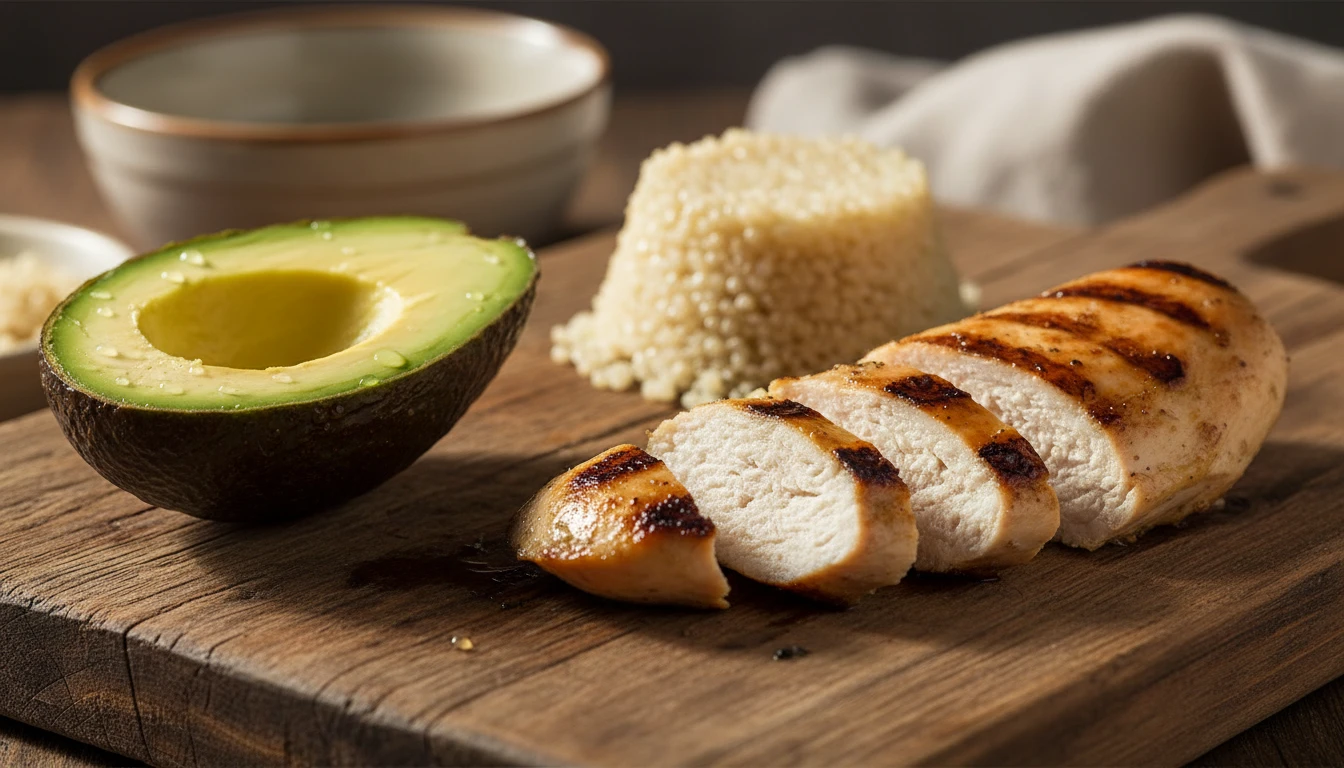
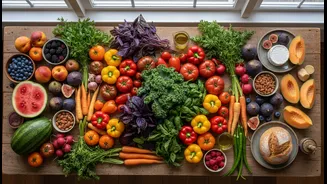
To make this a sustainable habit, visualise your plate. Aim to fill half of it with non-starchy vegetables (a great source of fiber), a quarter with a lean protein source, and the final quarter with a high-fiber carbohydrate like millets, quinoa, or whole wheat roti. This method ensures you naturally incorporate both key nutrients. For instance, a dinner of grilled chicken breast (protein) with a side of sautéed broccoli and spinach (fiber) and a small portion of quinoa (complex carb with fiber and protein) is a well-balanced, highly satiating meal. By focusing on whole foods, you'll find that many plant-based options like beans, lentils, and chickpeas are natural powerhouses, delivering a healthy dose of both protein and fiber in one go.