


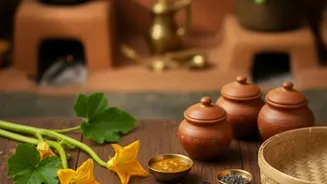
The Soul of the Feast: Bhoger Khichuri
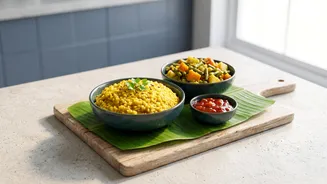
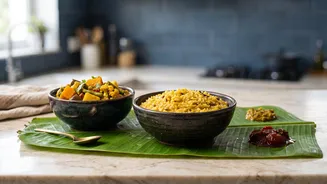
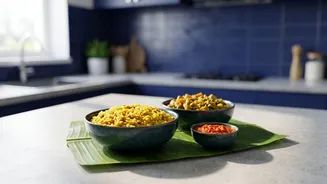
At the heart of every Durga Puja bhog is the khichuri, a soul-satisfying, one-pot dish that is both an offering and a feast. Unlike everyday khichdi, this version is strictly 'niramish' (vegetarian, without onion or garlic) and traditionally uses fragrant
Gobindobhog rice and roasted moong dal. Roasting the dal before cooking is key; it imparts a beautiful nutty aroma that defines the dish.To begin, dry roast the yellow moong dal until it turns a light golden brown. In a heavy-bottomed pot, heat ghee and temper it with whole spices like bay leaves, cinnamon, cloves, and cardamom. Add the washed rice and roasted dal, sautéing for a few minutes. Many recipes also include cubed potatoes and cauliflower florets, fried in mustard oil until golden, which are added to the pot along with ginger paste, turmeric, and cumin powder. Pour in warm water and let it simmer until the rice and dal are cooked to a soft, porridge-like consistency. A final spoonful of ghee stirred in before serving makes it truly divine.
The Perfect Partner: Labra
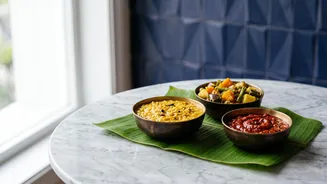
No bhoger khichuri is complete without its faithful companion, labra. This seemingly humble mixed vegetable dish is a complex medley of flavours and textures. It brings together a variety of seasonal vegetables, each contributing its unique character. Typically, you'll find a mix including pumpkin, brinjal, potatoes, sweet potato, radish, and cabbage. The beauty of labra lies in its harmonious blend, where no single vegetable should overpower the others.The preparation is satvik, meaning no onions or garlic are used. The magic comes from 'panch phoron', a Bengali five-spice blend of cumin, fennel, fenugreek, nigella, and mustard seeds. Heat mustard oil until pungent, then temper with the panch phoron and a couple of dry red chillies. The tougher vegetables like potatoes and pumpkin go in first, followed by softer ones like brinjal. Seasoned with ginger paste, turmeric, and salt, the vegetables are slow-cooked in their own juices until tender but not mushy. A pinch of sugar is often added to balance the flavours, and a finishing touch of ghee and roasted spice powder ('bhaja mosla') elevates it to festive status.
A Sweet and Tangy Finish: Tomato-Amsotto Chutney
The final flourish on the bhog plate is the chutney, acting as a delicious palate cleanser. A popular choice is the Bengali tomato chutney, made rich and complex with the addition of 'amsotto' (dried mango leather) and 'khejur' (dates). This chutney strikes a perfect balance between sweet, tangy, and subtly spicy.The recipe starts similarly to labra, with a tempering of panch phoron and a dry red chilli in a little oil. Chopped tomatoes are then added and cooked down until soft and pulpy. Next, sliced dates, cubed amsotto, and raisins are stirred in along with sugar, which helps thicken the chutney to a jam-like consistency. A pinch of salt enhances the sweetness. It is simmered gently until all the flavours meld together into a glossy, delightful condiment. This chutney is traditionally served at the end of the meal, just before dessert.
Bringing It All Together
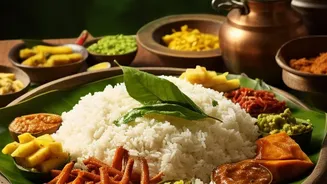
Preparing bhog at home is an act of devotion and love. The purpose is not just to cook a meal, but to create 'prasad'—a blessed offering that nourishes the body and soul. Use high-quality ingredients, especially pure ghee and fragrant rice, as they form the flavour base. Don't rush the process; allow the vegetables in the labra to cook slowly and the khichuri to simmer until the grains are perfectly soft. Most importantly, cook with a happy and peaceful mind. The joy and reverence you bring to the kitchen will inevitably translate into the food, making your homemade bhog a truly blessed and wholesome experience for your family. The meal celebrates community, gratitude, and the triumph of good over evil that Durga Puja represents.