
The Dangers Lurking Beneath the Skin
A fracture is more than just a broken bone. When a bone breaks, its ends can become sharp and jagged. These sharp fragments are surrounded by a network of delicate and vital soft tissues, including muscles, nerves, and blood vessels. The primary principle
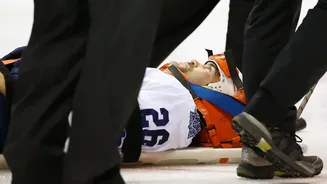
of first aid for a suspected fracture is to immobilise the injured part. Moving the limb can cause the sharp bone ends to grind against each other or, far worse, to shift and tear into these surrounding structures. This is the fundamental reason why first responders are taught to stabilise the injury exactly as they find it.
Risk 1: Severe Nerve and Blood Vessel Damage
Nerves and major blood vessels often run in close proximity to bones. Any movement of a displaced or broken bone can cause these sharp ends to press on, stretch, or even sever these critical pathways. Damage to a major artery can lead to significant internal bleeding, which may not be immediately visible but can be life-threatening. Nerve damage can result in symptoms ranging from numbness and tingling to complete loss of motor function or permanent paralysis in the affected area. In some cases, the damage is irreversible, turning a temporary injury into a lifelong disability.
Risk 2: Turning a Simple Fracture into a Complex One
Fractures are generally categorised as either closed (where the skin is intact) or open (where the bone has pierced the skin). Open fractures carry a much higher risk of infection, as bacteria can enter the wound and infect the bone itself, a serious complication known as osteomyelitis. Unnecessary movement can easily push a sharp bone fragment through the skin, converting a relatively clean closed fracture into a contaminated open one. This single action dramatically complicates treatment, increases healing time, and raises the risk of severe infection.
Risk 3: Increased Pain and Risk of Shock
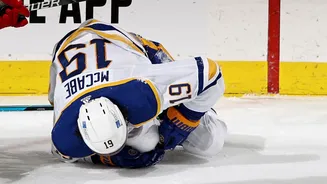
It goes without saying that broken bones are intensely painful. Grating bone ends against each other significantly amplifies this pain. This extreme pain, combined with potential internal bleeding and the body's trauma response, can send the injured person into shock. Shock is a life-threatening condition where the body isn't getting enough blood flow, and it can be worsened by unnecessary movement and increased stress on the body. Keeping the person calm, still, and as comfortable as possible is crucial to prevent their condition from deteriorating while waiting for help.
What You Should Do Instead
The golden rule is 'do no harm'. If you suspect a fracture, the priority is to keep the person and the injured limb completely still. Do not try to straighten a bent limb or push a protruding bone back in. Call for emergency medical services immediately. While waiting, you can offer support by placing cushions or rolled-up clothing on either side of the injured part to prevent movement. If there is bleeding, apply firm pressure to the wound with a clean cloth, but press around a protruding bone, not directly on it. Keeping the person still and reassuring them is the most helpful action you can take.