




A Breath of Fresh Air for Your Plants
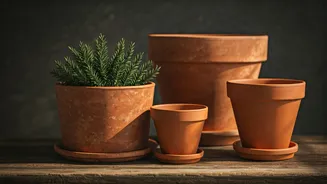
The single biggest advantage of terracotta lies in its composition. Made from natural baked clay, these pots are porous. This means water and air can move through the walls of the pot, creating a healthier environment for plant roots. Unlike plastic,
which traps moisture and can lead to waterlogged soil and the dreaded root rot, terracotta allows the soil to dry out evenly. This natural wicking action helps prevent overwatering, a common mistake for many plant parents. For plants that prefer drier soil, such as succulents, cacti, and snake plants, a terracotta pot is not just a container—it's an active partner in their care, promoting strong root systems and robust growth.
A Kinder Choice for the Planet
The call to 'ditch plastic' is about more than just aesthetics. Plastic pots are derived from fossil fuels, and their production contributes to carbon emissions. While some are recyclable, many end up in landfills where they can take centuries to break down, potentially leaching harmful chemicals into the soil. Terracotta offers a more earth-friendly lifecycle. Sourced from natural clay, these pots will eventually biodegrade, returning to the earth without leaving a trace of synthetic pollution. While the firing process does consume energy, the longevity and natural origin of terracotta make it a compelling choice for anyone looking to reduce their household's plastic footprint. It's a small, simple swap that aligns with a more conscious way of living.
Timeless Style and Warm Aesthetics
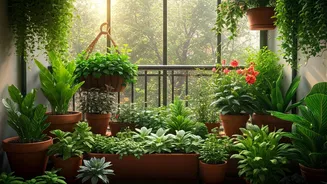
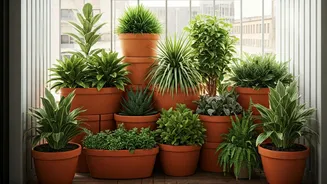
Beyond its practical benefits, terracotta possesses a visual charm that plastic simply cannot replicate. Its warm, earthy orange-brown hue brings a touch of rustic, Mediterranean-inspired elegance to any space. It’s a classic that never goes out of style, complementing a wide range of interior designs, from bohemian and eclectic to modern minimalist. Over time, terracotta pots develop a beautiful patina as minerals from the water and soil seep through the clay, creating a unique, aged look that tells a story. This evolving character adds depth and authenticity to your home decor, turning a simple plant pot into a decorative object with its own history.
Getting the Most from Your Clay Pots
Working with terracotta does require a slightly different approach. Because they are porous, they dry out much faster than plastic, which means you’ll need to water your plants more frequently, especially during hot weather. Before using a new pot, it’s a good practice to soak it in water for about 30 minutes. This prevents the dry pot from immediately wicking all the moisture away from the soil of your newly potted plant. They are also more fragile than plastic and can crack if dropped or exposed to freezing temperatures. However, these are minor adjustments. By understanding how terracotta behaves, you can easily adapt your care routine to help your plants thrive.
Perfect Pairings: Plants That Love Terracotta
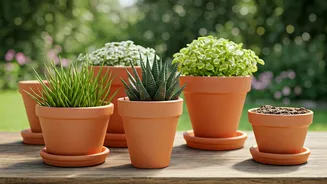
While most common houseplants can adapt to terracotta, some varieties are particularly well-suited to its breathable nature. Drought-tolerant plants are a perfect match. Think of a collection of shapely succulents and cacti in small terracotta pots lining a sunny windowsill. Herbs like rosemary, thyme, and sage also do well, as they prefer their roots not to sit in wet soil. The popular Snake Plant (Sansevieria) and ZZ Plant (Zamioculcas zamiifolia) are famously low-maintenance and forgive periods of neglect, making them ideal candidates for the quick-drying environment of a clay pot. By pairing the right plant with the right pot, you set yourself up for gardening success.