




The Dawn of Zero-Emission Rail Travel
For decades, train travel has been a greener alternative to cars and planes, but it has still relied heavily on diesel or electricity from a fossil-fuel-powered grid. That's about to change. The next leap forward is 'clean train' technology, primarily
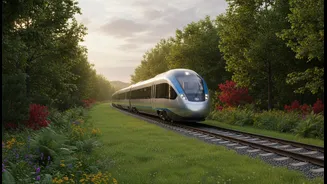
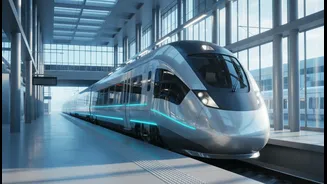
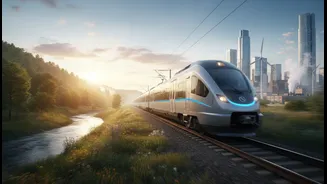
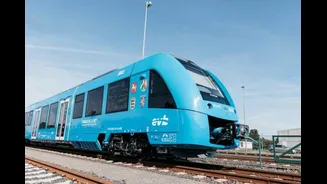
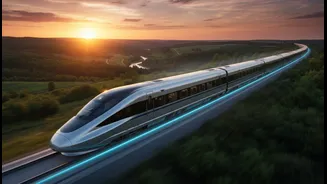
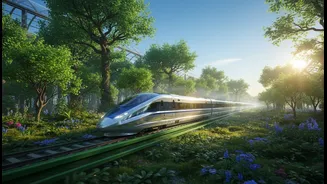
focusing on two types: hydrogen fuel-cell trains and battery-electric trains. Hydrogen trains are essentially electric trains that create their own power. They use hydrogen stored in tanks to generate electricity through a chemical reaction in a fuel cell, with the only emission being water vapour. This makes them incredibly quiet and completely free of local carbon emissions. They offer a sustainable solution for non-electrified routes, eliminating the need for costly overhead lines.
India's First Hydrogen Train Takes the Stage
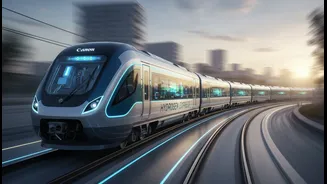
This isn't just a distant dream; it's happening now. India is scheduled to launch its very first hydrogen-powered train on July 17, 2026. Prime Minister Narendra Modi is expected to inaugurate the service, which will initially run on the 90-kilometre Jind-Sonipat route in Haryana. This ten-coach train, developed indigenously, uses a hybrid system of hydrogen fuel cells and batteries, producing zero carbon dioxide. During its pilot phase, it will travel at around 75 kmph, but it has been tested at speeds up to 120 kmph. While the initial route is a commuter line, its success is a critical proof-of-concept for wider adoption across the country, placing India in a select group of nations exploring this technology.
Vande Metro: Connecting Cities for Shorter Trips
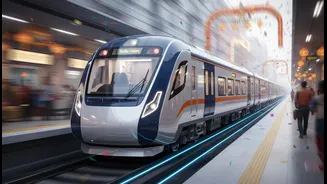
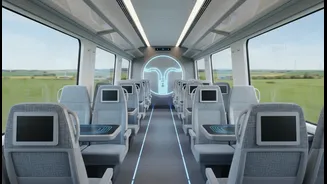
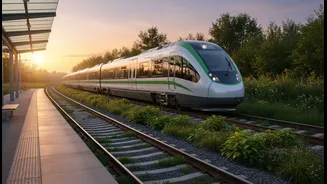
Alongside the groundbreaking hydrogen project, Indian Railways is also expanding its clean travel portfolio with the Vande Metro service. Designed as a short-distance variant of the successful Vande Bharat Express, these trains are built for rapid, frequent travel between cities that are 100-250 kilometres apart. Think of them as a comfortable, air-conditioned shuttle service connecting major urban centres to their satellite towns. Potential routes that have been discussed include high-traffic corridors like Lucknow-Kanpur, Agra-Mathura, and Bengaluru-Mysuru, perfect for day trips and weekend escapes. With a top speed of 130 kmph and a mix of seating and standing room, Vande Metro aims to make inter-city travel faster and more convenient than driving.
Reimagining the Weekend Getaway
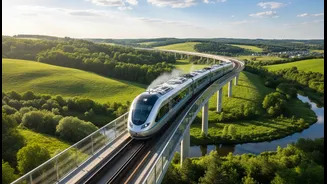
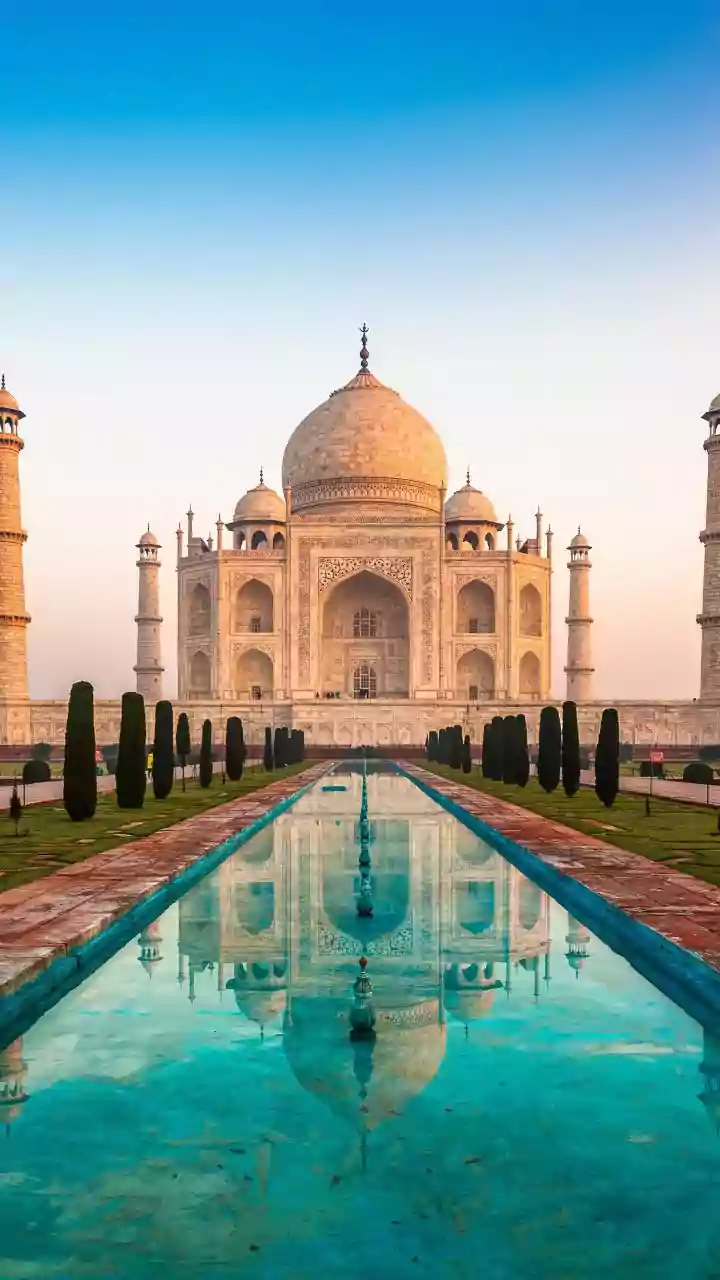
The combination of hydrogen trains and the Vande Metro network could completely transform how we plan our weekends. For residents of Delhi, a quiet, clean train could soon be the best way to reach heritage sites in Rewari or spiritual centres in Mathura. From Mumbai, the perpetually congested drive to Pune or Nashik could be replaced by a swift Vande Metro journey. For those in Bengaluru, a weekend in Mysuru would become an effortless day trip without the highway chaos. These services promise not just a reduction in travel time, but a significant improvement in the travel experience itself—less noise, no fumes, and a smoother ride. This shift supports a more sustainable form of tourism, reducing the carbon footprint of our leisure activities.
The Bigger Picture for a Greener India
These new trains are a flagship component of Indian Railways' ambitious plan to become a net-zero carbon emitter by 2030. The strategy includes electrifying nearly the entire broad-gauge network, adopting renewable energy sources, and improving overall energy efficiency. By replacing diesel-powered trains, hydrogen and advanced electric services will drastically cut down on pollution and reduce India's dependence on imported fossil fuels. It’s a move that benefits the environment, enhances energy security, and modernises the backbone of the nation's transport infrastructure. For the everyday traveller, it signals the beginning of a cleaner, smarter, and more enjoyable way to explore the country.