



Understanding Why Fashion Jewellery Tarnishes
Tarnish is the dulling or discoloration that occurs when metals react with elements in the environment, primarily moisture and sulphur compounds in the air. Artificial jewellery is often made from base metals like copper, brass, or zinc alloy, which are
more reactive than solid precious metals. Similarly, gold-plated pieces have only a thin layer of gold over a base metal. When this layer is exposed to air, humidity, sweat, or chemicals from perfumes and lotions, the underlying metal can begin to oxidise, causing the piece to lose its shine and change colour. This is why proper storage is not just about organisation; it's a crucial step in preserving your collection.
The Golden Rule: Last On, First Off
The most effective habit you can build is to make your jewellery the last thing you put on and the first thing you take off. Apply all your cosmetics—perfumes, hairsprays, lotions, and makeup—first and let them dry completely before accessorising. These products contain chemicals and alcohols that can accelerate tarnishing and damage the delicate plating. At the end of the day, remove your jewellery before changing clothes to avoid snagging. It’s also essential to take off your pieces before showering, swimming, exercising, or sleeping. Water, chlorine, and sweat are significant contributors to oxidation.
The Power of Dry, Separate Storage
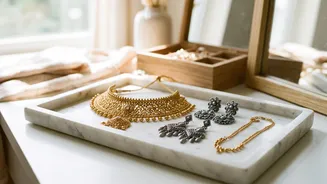
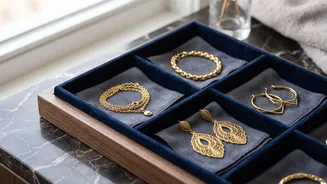
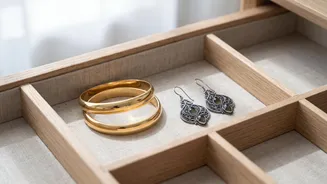
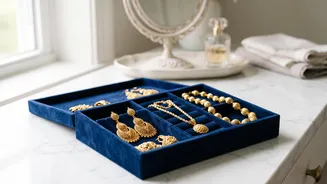
Humidity is the number one enemy of fashion jewellery. Storing your collection in a cool, dry place is fundamental. This means the bathroom, with its constant steam and moisture, is one of the worst places to keep your pieces. A bedroom drawer or a closet shelf is a much better choice. The second key principle is to store each piece separately. When items are jumbled together in a box, they scratch each other, which can wear away the plating and create entry points for tarnish. Individual soft pouches, lined jewellery boxes with compartments, or even small zip-lock bags are excellent solutions. If using bags, press out as much air as possible before sealing to further reduce exposure to oxygen.
Your Step-by-Step Storage Guide
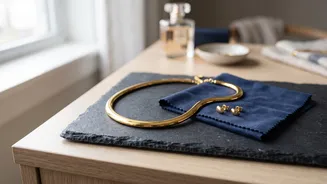
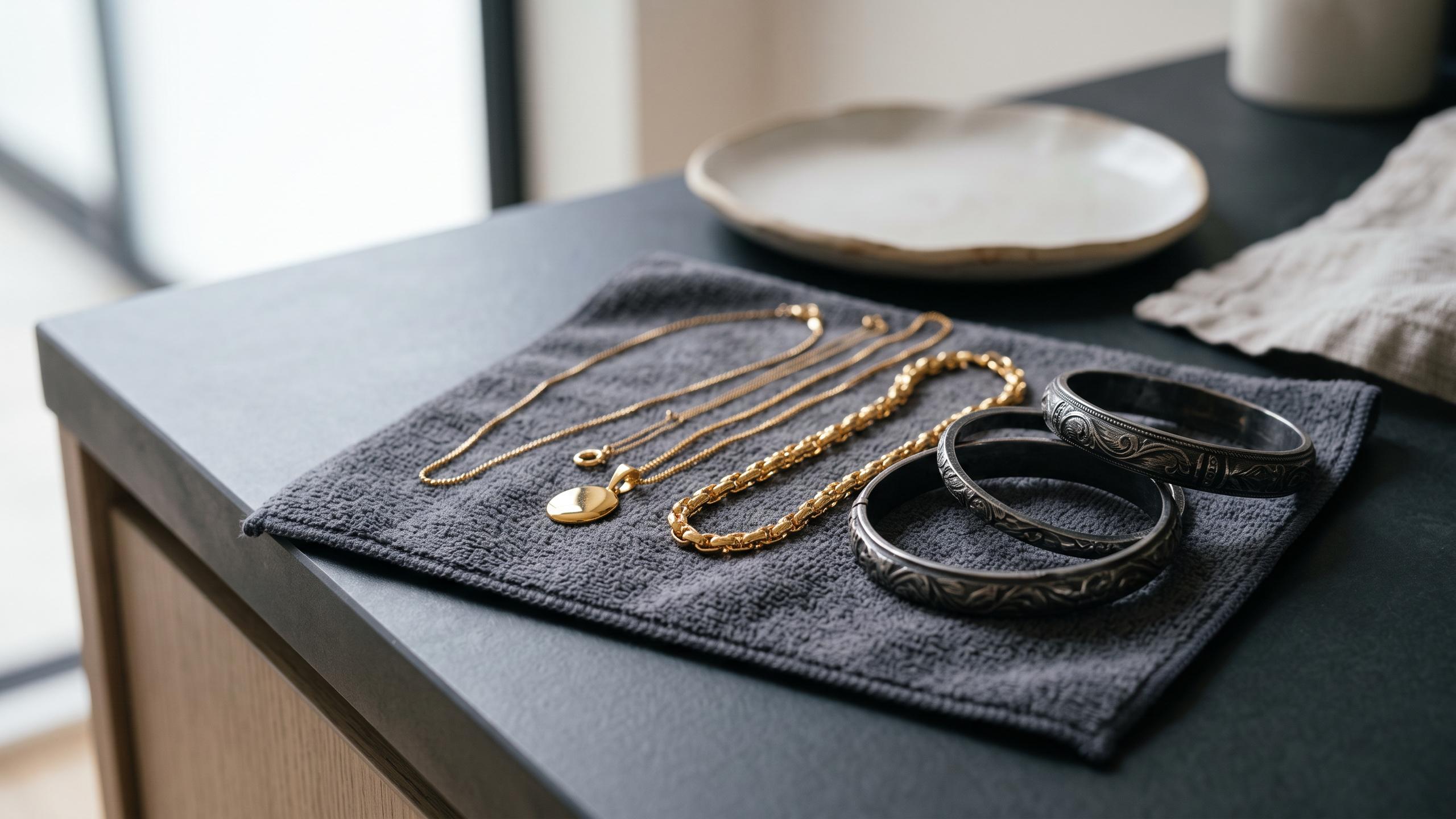
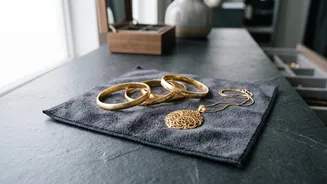
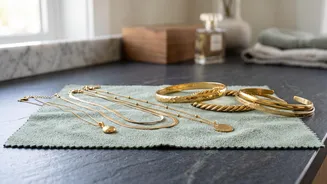
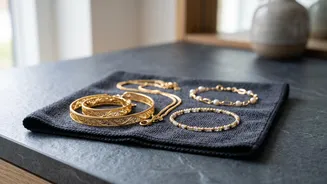
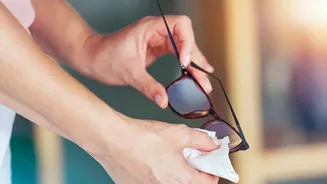
Creating an effective storage system is simple. First, wipe down each piece with a soft, dry, lint-free cloth after every wear. This removes skin oils, makeup, and dust that can cause damage over time. Next, place each item in its own container, like a fabric pouch or a small zip-lock bag. For an extra layer of protection, especially in humid climates, add an anti-tarnish strip or a small silica gel packet to your jewellery box. These are inexpensive and highly effective at absorbing moisture and sulphur compounds from the air. For necklaces, it's best to store them flat or hanging to prevent tangling and kinking.
Reviving Already Oxidised Pieces
If some of your jewellery has already started to tarnish, don't despair. For general cleaning, a few drops of mild dish soap in lukewarm water can work wonders. Dip a soft cloth into the solution, wring it out, and gently wipe the piece. Use a clean, damp cloth to rinse, and then dry it completely before storing. For more stubborn tarnish on some artificial metals, a paste of baking soda and water can be gently applied with a soft cloth, then rinsed and dried. However, be very careful with this method on plated items, as abrasive cleaning can strip the gold layer. Always spot-test any cleaning method on an inconspicuous area first. Avoid harsh chemicals and abrasive polishing cloths, which can cause irreparable damage.