







From FOMO to JOMO
For years, the driving force behind youth travel was the ‘Fear Of Missing Out’ (FOMO). This was a philosophy powered by social media, where a trip’s success was measured by how many landmarks could be squeezed into a day and how many vibrant, envy-inducing
photos could be posted. The goal was to see everything, do everything, and prove you were having the time of your life. Today, a different acronym is taking hold: JOMO, or the ‘Joy Of Missing Out’. Instead of racing to tick off a checklist, a growing number of young travellers are deliberately seeking out quieter experiences. They are finding joy in unplugging, slowing down, and choosing deep immersion in one place over a superficial tour of many. This isn’t about being lazy; it’s a conscious rebellion against the culture of perpetual busyness and digital performance that defines modern life.
The Rise of Restorative Travel
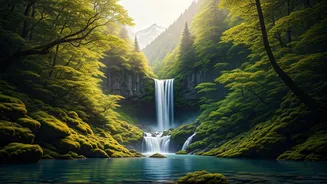
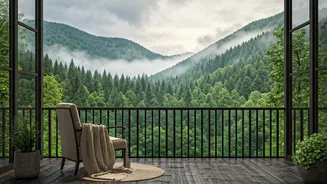
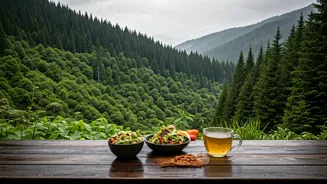
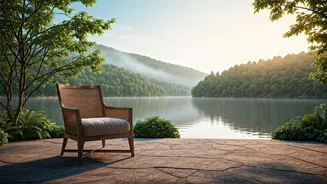
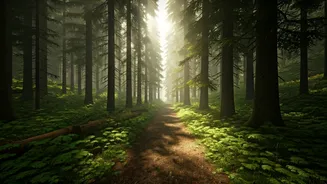
So, what does this ‘calm’ travel look like? It’s less about the destination and more about the intention. It manifests as ‘slow travel’, where a week might be spent exploring a single village in the Himalayas rather than hopping between three different cities. It's ‘sleep tourism’, where the main goal is not sightseeing but catching up on quality rest in a serene environment. It’s also seen in the popularity of wellness retreats that focus on yoga, meditation, and digital detoxes. These travellers are booking farm stays in the Western Ghats, renting cabins with no Wi-Fi in Uttarakhand, or exploring the tranquil backwaters of Kerala by houseboat. The focus is on restorative activities: reading a book, taking long walks in nature, enjoying local food without rushing, and simply being present. The itinerary is intentionally sparse, leaving room for spontaneity and genuine relaxation.
What's Driving the Shift?
This movement isn’t happening in a vacuum. It’s a direct response to several powerful cultural and economic forces. Firstly, there’s the issue of burnout. Gen Z and millennials are reporting high levels of stress and anxiety, fueled by demanding work cultures and the constant pressure of being online. A vacation is no longer just a break from work, but a necessary tool for mental and emotional recovery. The pandemic also played a significant role, forcing a global pause that made many re-evaluate their priorities. After lockdowns, the appeal of crowded, chaotic cities diminished, while the desire for open space and nature grew exponentially. Finally, there's a subtle pushback against the hyper-curated, picture-perfect aesthetic that dominated Instagram in the 2010s. Younger travellers are increasingly seeking authenticity and real experiences over ones that are staged for an online audience.
The New 'It' Destinations
While this trend is more about a mindset than a place, certain destinations are naturally benefiting. In India, places that offer tranquility and nature are gaining popularity among the youth. The quieter corners of Goa, far from the bustling party beaches, are attracting those looking for yoga and peace. The tea estates of Darjeeling and Munnar offer a slow-paced escape. Lesser-known villages in Himachal Pradesh and Sikkim are becoming havens for trekkers and those wanting to disconnect. Globally, this trend is seen in the rise of interest in destinations like the Scottish Highlands, the quiet coasts of Portugal, and the serene landscapes of New Zealand. The common thread is not luxury, but simplicity and a deep connection to the natural environment. Tour operators and hotels are responding, offering more packages focused on wellness, silence, and nature immersion.