





Start with a Deep Clean and Declutter
The first step to a post-monsoon refresh is a thorough deep clean. Months of humidity can lead to an accumulation of dust and grime in places that are often missed. Begin by decluttering spaces where guests will spend the most time, such as the living
room, dining area, and guest rooms. Once you have a clear space, focus on deep cleaning tasks that daily routines might miss. This includes dusting ceiling fans, cleaning light fixtures, and wiping down window channels and tracks which may have collected moisture and dirt. It’s a good time to clear out anything you no longer need, creating a more organised and spacious environment before you even begin decorating for the festive season.
Banish Dampness and Musty Odours
The most common complaint after the rains is a persistent damp, musty smell. This is caused by trapped moisture in the air and on surfaces. Your primary goal should be to improve ventilation. Whenever the weather is dry, open windows and doors on opposite sides of a room to allow for cross-ventilation, which helps reduce humidity. For enclosed spaces like wardrobes and cabinets, place moisture absorbers like silica gel packs or even small, open bowls of baking soda or activated charcoal. Using a dehumidifier in poorly ventilated rooms can also make a significant difference in removing excess moisture from the air and preventing the growth of mould and mildew.
Tackle and Prevent Mould Growth
High humidity creates the ideal breeding ground for mould, which often appears as greenish or black patches on walls, in bathroom grout, and behind furniture. It's crucial to address this not just for aesthetic reasons, but for your health. For smaller spots, you can scrub the area with a mixture of detergent and warm water. A solution of white vinegar can also be effective for cleaning and preventing mould on surfaces. To prevent its return, ensure problem areas remain dry and well-ventilated. Using exhaust fans in bathrooms and kitchens is essential. Consider keeping furniture a few inches away from walls to improve air circulation.
Address Post-Monsoon Pest Problems
The post-monsoon period often sees a surge in pests like mosquitoes, ants, and cockroaches. Start by eliminating their breeding grounds. Ensure there is no stagnant water in or around your home, including in plant trays and coolers. Keep kitchen counters clean, store food in sealed containers, and empty garbage bins daily. For natural pest control, neem oil is highly effective against a variety of insects. A spray made from diluted neem oil can be used in corners and near drains. Placing camphor tablets in cupboards or burning them for a short period in a closed room can also act as a strong repellent for mosquitoes and other insects.
Care for Wooden Furniture
Wooden furniture is particularly vulnerable during the monsoon, as it absorbs moisture and can swell, warp, or develop mould. After the rains, wipe down all wooden surfaces with a soft, dry cloth to remove any lingering moisture. For swollen doors or drawers, allow them to air out and dry naturally. Check for any mould, which can be cleaned with a lightly damp cloth and mild soap, ensuring the wood is dried thoroughly afterwards. To protect the finish and create a moisture-resistant barrier for the future, consider applying a good quality wax or polish.
Refresh All Fabrics and Linens
Carpets, curtains, and upholstery absorb a lot of moisture and odours during the monsoon. Now is the time to wash all fabrics, including curtains, bedspreads, cushion covers, and throws. If possible, sun-dry mattresses and pillows for a full day to kill any dust mites and remove dampness. Sprinkling baking soda on carpets and sofas, letting it sit for about 30 minutes, and then vacuuming it up can effectively neutralise lingering odours. Providing fresh, clean linens for the guest room is a simple touch that makes a big difference in making visitors feel comfortable.
Prepare for a Welcoming Ambiance
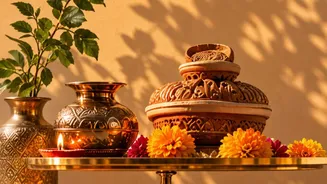
With the house clean and fresh, the final step is to create a warm and inviting atmosphere. A clean and welcoming entrance makes a great first impression. Simple additions like fresh flowers, battery-operated candles, or a bowl of floating diyas can instantly brighten a space. Using pleasant fragrances from essential oil diffusers, incense, or potpourri helps to complete the sensory experience, making your home smell as good as it looks and ensuring it’s a delightful haven for your guests.