





The Scale of India's Salt Problem
India is facing a significant public health challenge linked to a simple, everyday ingredient: salt. The average Indian consumes between 8 and 11 grams of salt daily, which is almost double the World Health Organization's (WHO) recommended limit of 5
grams per day. This excess sodium intake is a primary driver of high blood pressure, or hypertension, a condition affecting an estimated 220 million people in the country. Hypertension is often called a 'silent killer' because it can have no symptoms for years while increasing the risk of cardiovascular diseases (CVDs) like heart attacks and strokes, which are the leading cause of death in India. Studies show that only a small fraction of those with hypertension in India have their condition under control, highlighting a massive gap in awareness and management.
A New Solution: Low-Sodium, Potassium-Enriched Salt
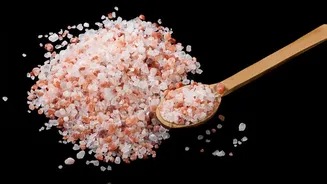
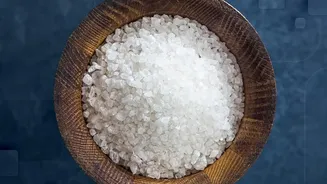
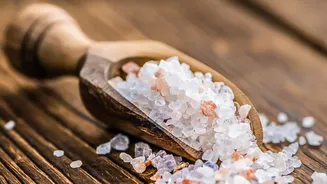
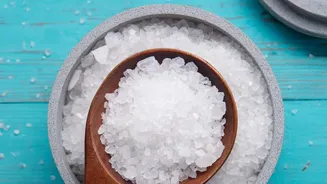
In response to this growing crisis, a consensus is forming among India's leading medical experts, cardiologists, and public health professionals. They are recommending the widespread adoption of low-sodium salt substitutes (LSSS) as a population-level strategy to reduce dietary sodium. This isn't about removing salt, but reformulating it. LSSS are typically composed of 70-75% sodium chloride (regular salt) and 25-30% potassium chloride. This simple change tackles two problems at once: it lowers the intake of harmful sodium while increasing the consumption of potassium, a mineral that helps counteract the effects of sodium on blood pressure and is often deficient in Indian diets.
The 'Dietary Vaccine' Approach
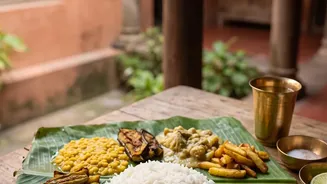
Experts from institutions like AIIMS, New Delhi, have called LSSS a 'dietary vaccine' for hypertension. The logic is that it is a passive intervention that can provide cardiovascular protection without requiring a significant change in people's cooking or eating habits. Since nearly 80% of sodium in the Indian diet comes from salt added during home cooking, changing the salt itself is seen as a highly effective approach. Research backs this up. A large-scale trial showed that using potassium-enriched salt led to a 14% reduction in strokes, a 13% reduction in major cardiovascular events, and a 12% drop in mortality. A modelling study estimated that nationwide adoption in India could prevent between 8% and 14% of annual cardiovascular deaths, potentially saving nearly 400,000 lives each year.
Addressing the Potential Risks and Hurdles
While the benefits appear substantial, there are valid questions about the risks, particularly concerning potassium. For the vast majority of the population, increased potassium is safe and beneficial. However, caution is needed for individuals with advanced chronic kidney disease, as their bodies may not be able to excrete potassium effectively, leading to a condition called hyperkalemia. Experts argue that these risks are often overstated compared to the population-wide benefits and can be managed through clear product labelling and clinical oversight for high-risk individuals. Other hurdles include cost and availability. Currently, low-sodium salt substitutes can be more than double the price of regular salt and are not widely available, which limits access for many.
The Path Forward: Policy and Public Awareness
For this proposal to become a reality, several steps are needed. The expert panel has called for the Food Safety and Standards Authority of India (FSSAI) to formally recognise potassium-enriched salt as an 'edible salt' category and establish clear, evidence-based labelling standards. This would pave the way for wider production and acceptance. Furthermore, experts recommend that the government could support public procurement of LSSS for large-scale food programs like mid-day meals and public canteens to build volume and normalise its use. This move aligns with India's national commitment to reduce sodium intake by 30% by 2030 as part of its strategy to control non-communicable diseases.