





From Reactive to Predictive
For too long, ocean conservation has been a reactive process. We find a problem—overfishing, pollution, coral bleaching—and then scramble for a solution, often after significant damage has occurred. This approach has been hampered by a fundamental lack
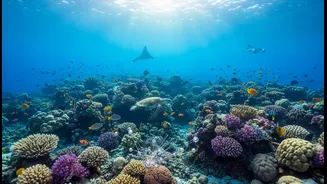
of information. The ocean covers over 70% of our planet, and traditional methods of monitoring, like ship-based surveys, can only ever provide a small snapshot of this immense and dynamic environment. Without comprehensive, real-time data, efforts to protect marine life have been like navigating in the dark. We need to know where biodiversity hotspots are, how species are moving, and which areas are under the most threat to act effectively. This is where modern technology and data analysis are creating a paradigm shift, moving conservation from a reactive stance to a proactive and predictive one.
The New Digital Toolkit
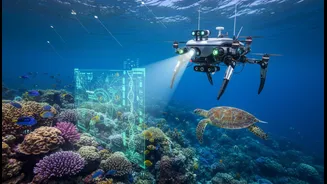
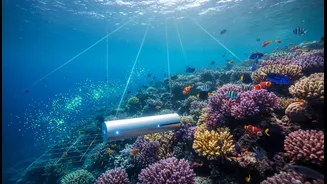
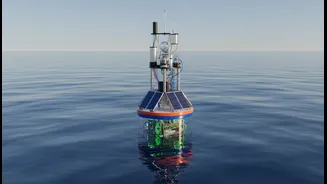
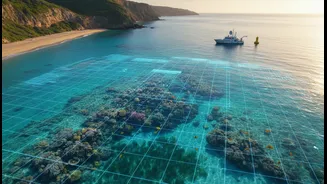
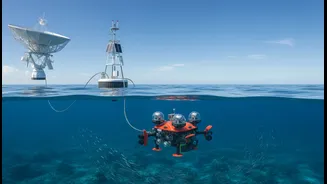
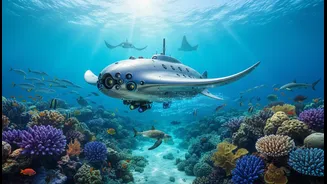
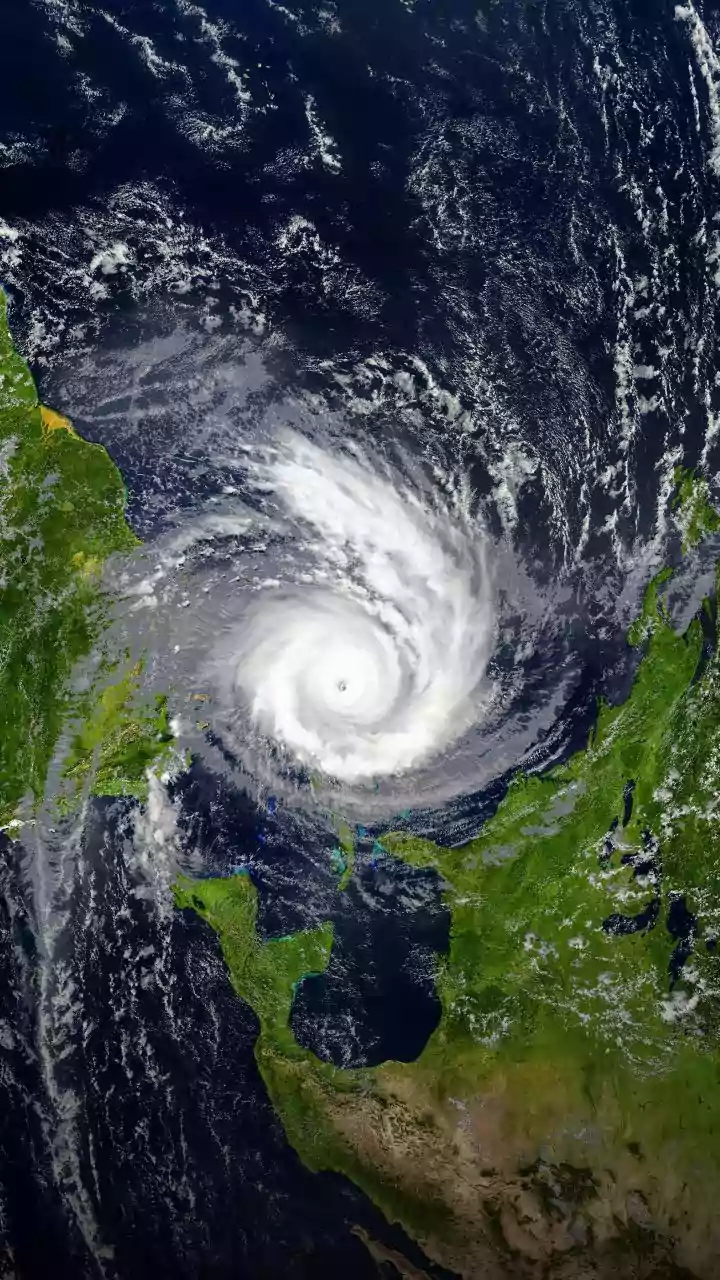
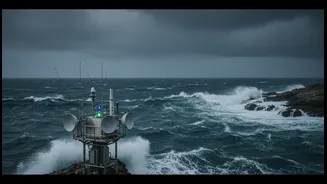
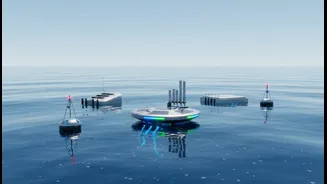
Today's conservationists have a rapidly expanding toolkit that was unimaginable a decade ago. Satellites now constantly monitor sea surface temperatures, track harmful algal blooms, and even detect illegal fishing vessels by cross-referencing their positions with marine protected area boundaries. Autonomous underwater vehicles (AUVs) and robotic drones can patrol vast areas, collecting data on water quality, mapping the seafloor, and capturing high-resolution images of marine habitats without direct human control. Perhaps most revolutionary is the combination of environmental DNA (eDNA) and Artificial Intelligence (AI). By filtering seawater for the tiny genetic traces all organisms leave behind, scientists can identify the presence of countless species, from microbes to whales, without ever seeing them. AI algorithms then process these massive datasets, identifying species, spotting trends, and predicting future changes in marine ecosystems with incredible speed and accuracy.
Data-Driven Decisions in Action
This flood of new data is already leading to tangible conservation wins. Take Marine Protected Areas (MPAs), for example. Historically, the placement of these protected zones could be a contentious process, often facing opposition from industries like fishing. Now, data from satellite tracking systems can show precisely which areas are most critical for biodiversity and have the least impact on legitimate fishing activities, making negotiations more transparent and evidence-based. Data has been crucial in establishing major reserves around the world. Similarly, AI-powered predictive models analyse ocean temperature and acidity data to forecast coral bleaching events, giving managers early warnings to implement protective measures. This same technology can help authorities tackle illegal fishing by identifying vessels that turn off their public tracking systems or exhibit suspicious behaviour.
An Indian Ocean Perspective
For India, with its extensive coastline and reliance on the ocean, these technologies are crucial. India's 'Deep Ocean Mission' is a major initiative aimed at exploring and harnessing marine resources sustainably. The Indian National Centre for Ocean Information Services (INCOIS) already uses satellite data to provide warnings about potential coral bleaching. Meanwhile, the Zoological Survey of India (ZSI) employs advanced techniques to monitor coral health and has undertaken massive coral relocation projects. Technology is also being used to support sustainable fishing. The government’s Pradhan Mantri Matsya Sampada Yojana (PMMSY) scheme includes funding for artificial reefs, which are monitored to assess their effectiveness in restoring marine ecosystems. As India aims to grow its 'Blue Economy,' integrating these advanced monitoring systems will be key to balancing economic growth with environmental preservation.
Challenges on the Horizon
Despite the promise of these new technologies, significant hurdles remain. The cost of advanced sensors and autonomous vehicles can be prohibitive, especially for developing nations. There are also major challenges in data sharing. Ocean data is often collected by different agencies, companies, and research groups and stored in separate, incompatible formats, creating 'data-dams' that prevent a holistic understanding. Building trust and creating open, collaborative platforms for data sharing is as important as developing the hardware to collect it. Furthermore, the sheer scale of the ocean means that even with our best technology, much of it remains unexplored and unmonitored.