

The Allure of a Quieter Coastline
During the monsoon months of June through September, Gokarna sheds its peak-season avatar as a bustling backpacker hub and transforms into a sanctuary of solitude. Unlike its high-energy neighbour, Goa, which also sees a reduction in tourist activities,
Gokarna’s smaller, less commercialised atmosphere becomes its main attraction. The usual crowds disappear, water sports are suspended due to the powerful Arabian Sea, and what's left is a town that feels slower and more authentic. This quietude is precisely what draws visitors who are looking for a genuine escape, offering a peaceful environment that is hard to find in other mainstream beach destinations.
Nature's Dramatic Monsoon Makeover
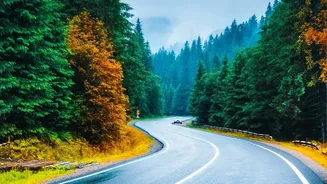
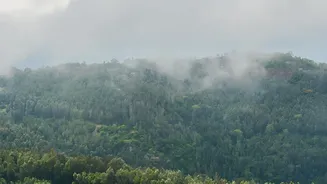
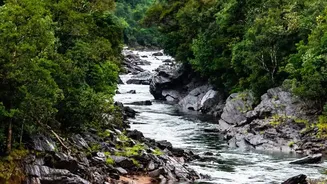
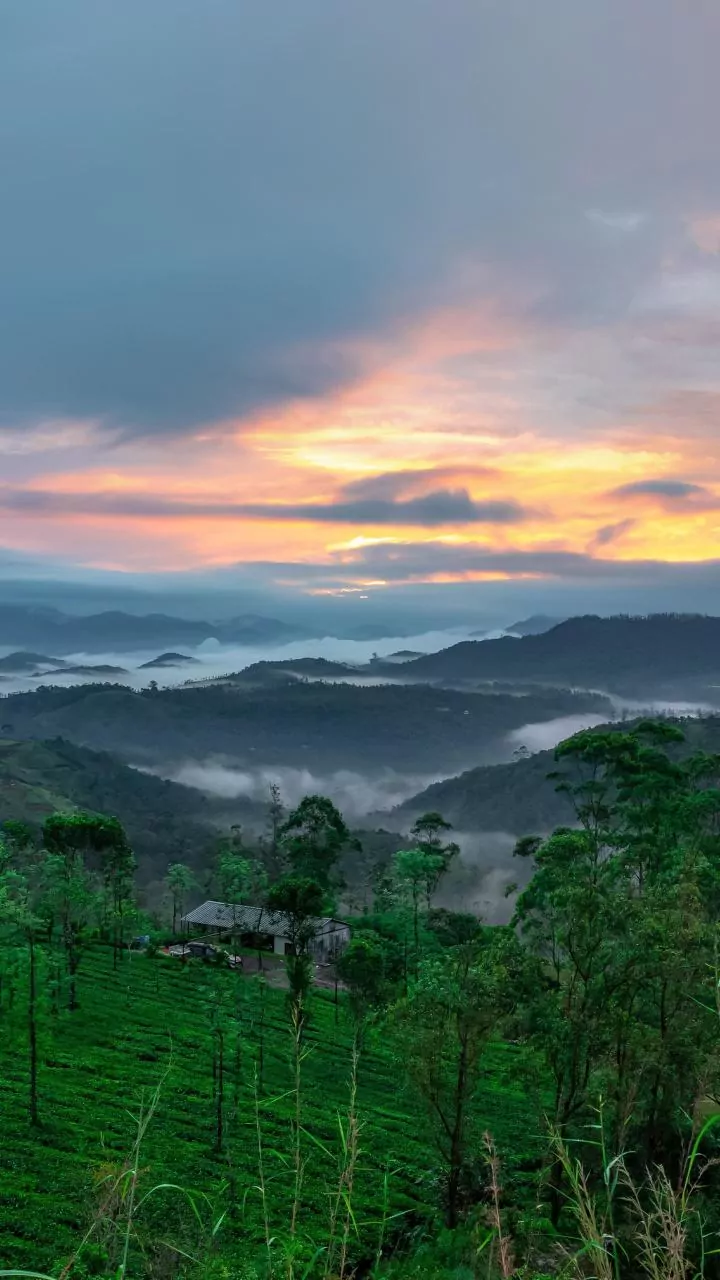
The monsoon brings a dramatic and lush transformation to Gokarna's landscape. The coastal terrain, dry for months, bursts into vibrant shades of green, fed by frequent downpours. The Western Ghats that backdrop the town are at their most photogenic, with seasonal streams and waterfalls cascading down cliffs, sometimes directly onto the beaches. The sky becomes a canvas of shifting grey clouds and dramatic light, creating a powerful, atmospheric backdrop. For travellers armed with a camera or simply a desire to witness nature’s power, the rain-washed temple streets, misty ocean views, and verdant trekking trails offer a profoundly different and more immersive experience than the sunny peak season.
The Rise of Mindful Eco-Stays
In step with this quest for tranquility, a number of eco-lodges and wellness retreats have found a natural home in Gokarna. These establishments, like SwaSwara and various other eco-stays, prioritise sustainability, connection to nature, and holistic well-being over conventional luxury. Often built with local materials like laterite stone and natural wood, these lodges are designed to blend into the landscape and minimise their ecological footprint. Many feature organic gardens, practice rainwater harvesting, and offer an environment free from the distractions of televisions, encouraging guests to listen to the sounds of nature instead. This philosophy of simple, conscious living aligns perfectly with the goals of a yoga retreat.
A Natural Synergy Between Yoga and the Rains
There's a deep-rooted belief in Indian wellness traditions that the monsoon is an ideal time for rejuvenation. The cooler, humid atmosphere is considered conducive to practices like yoga and Ayurveda, as the body is believed to be more receptive to healing and detoxification. The damp weather can sometimes lead to joint stiffness and sluggishness, which regular yoga practice effectively counters by improving flexibility and circulation. Furthermore, the sound of the rain provides a natural, calming soundtrack for meditation and pranayama (breathing exercises), enhancing mindfulness and helping to soothe the nervous system. This synergy makes a monsoon yoga retreat not just a holiday, but a deeply therapeutic experience.
Beyond the Mat: A Holistic Experience
A retreat in Gokarna is about more than just yoga postures. The town's spiritual heritage, centered around the ancient Mahabaleshwar Temple, adds a layer of cultural depth to any visit. During the monsoon, the temple precincts are quieter, allowing for a more contemplative experience. When the rain pauses, gentle walks through the lush landscape, café hopping with a view of the dramatic sea, and exploring the washed-clean town streets become mindful activities in themselves. Many retreats integrate these elements, offering guided nature walks, healthy local cuisine, and simply the quiet space to read, write, or reflect, making for a truly holistic wellness journey.